


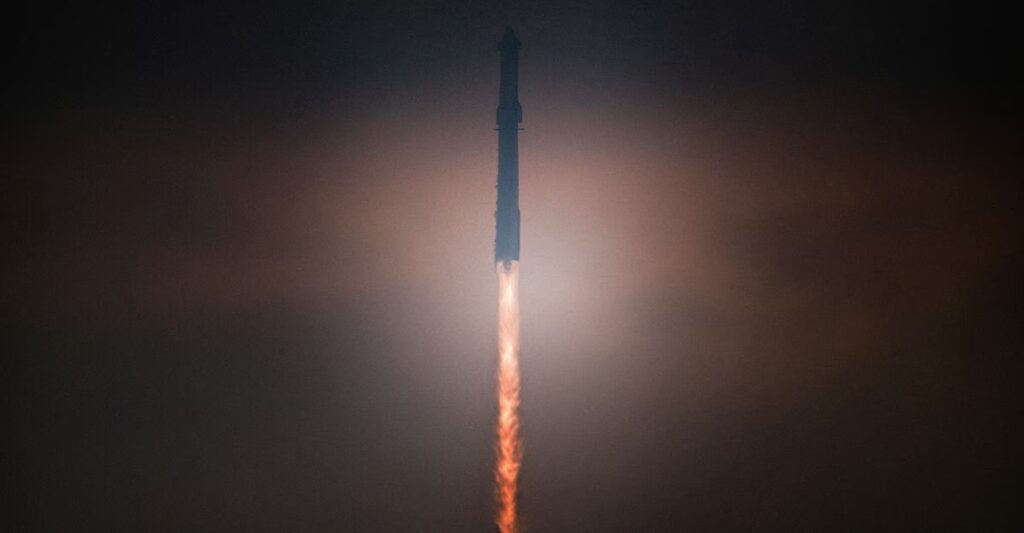
Understanding SpaceX: A New Era in Space Exploration
SpaceX, founded in 2002 by Elon Musk, has rapidly evolved from a dream of private space travel to a pivotal player in the aerospace industry. With its recent initial public offering (IPO), the company has garnered unprecedented attention, not only for its ambitious goals but also for the financial implications of its market debut. The IPO has positioned Musk as a trillionaire on paper, a milestone that underscores both the potential of SpaceX and the broader implications for the space sector.
The Financial Mechanics Behind the IPO
The IPO of SpaceX marks a significant moment in the financial landscape, particularly for the burgeoning sector of commercial space travel. By offering shares to the public, SpaceX has opened a new avenue for capital that could fuel its plans for ambitious projects, including the Starship mission to Mars and the ongoing development of the Starlink satellite constellation. The valuation of SpaceX soared post-IPO, reflecting investor confidence in its potential to revolutionize space travel and satellite communications.
Elon Musk: From Visionary to Trillionaire
Elon Musk's ascendance to trillionaire status is not merely a reflection of his wealth but also a testament to his vision for the future of humanity. His strategy has consistently focused on sustainability and multi-planetary colonization, which resonates with a growing base of investors looking for not just profits, but a stake in the future. Musk's ability to attract substantial investments has been pivotal in transforming SpaceX from a startup into a powerhouse capable of challenging established aerospace giants.
A Shift in Market Dynamics
The success of SpaceX's IPO has broader implications for market dynamics and investor behavior. Traditionally, the aerospace sector has been dominated by government contracts and large defense companies. However, SpaceX’s entry into the public market signifies a shift towards a more commercialized approach to space exploration. This could lead to increased competition and innovation, as new players may emerge to challenge the status quo, potentially democratizing access to space.
SpaceX's Role in the Global Economy
As SpaceX continues to expand its operations, its impact on the global economy cannot be understated. The company has created thousands of jobs and is fostering a new sector that includes satellite communications, space tourism, and interplanetary exploration. The ripple effects of its success extend beyond the aerospace industry, influencing technology, manufacturing, and even education as interest in STEM fields grows among the younger generation.
Risks and Challenges Ahead
Despite its remarkable trajectory, SpaceX faces a myriad of risks and challenges. The aerospace industry is inherently volatile, with high capital expenditures and long development timelines. Regulatory hurdles, competition from other private space companies, and potential technological setbacks could impede SpaceX’s ambitious plans. Investors must weigh these risks against the potential for high returns, particularly as the company aims for groundbreaking projects like Mars colonization.
The Future of SpaceX and Its Investors
Looking ahead, the future of SpaceX appears both promising and uncertain. The company's commitment to innovation and its track record of successful launches have positioned it favorably in the eyes of investors. However, as SpaceX embarks on its next phase of growth, it will need to navigate the complexities of a public company while maintaining its competitive edge. Investors will be closely monitoring the company's performance and its ability to meet ambitious milestones.
The Broader Impact of Space Exploration
The IPO of SpaceX is not just a financial event; it represents a cultural shift in how society perceives space exploration. With increased funding and interest in space travel, there is potential for significant advancements in science and technology. This could lead to breakthroughs in areas such as satellite technology, telecommunications, and even climate monitoring. The implications for humanity's understanding of the universe and our place within it are profound.
SpaceX and the Future of Humanity
Elon Musk's vision for SpaceX is not limited to profit margins and shareholder returns. He envisions a future where humanity is a multi-planetary species, capable of surviving beyond Earth. This philosophy resonates with a segment of investors who are not just looking for financial gains but are also motivated by the potential for human advancement. The narrative surrounding SpaceX has evolved from a simple commercial venture to a larger mission that could redefine human existence.
Conclusion: A New Frontier in Investment
The IPO of SpaceX has opened a new frontier in investment, where the allure of space exploration meets the realities of financial markets. As Elon Musk's vision unfolds, the implications for investors, the aerospace industry, and humanity at large will continue to develop. While the path ahead is fraught with challenges, the potential rewards—both financial and existential—are substantial. SpaceX has not only changed the landscape of aerospace but has also set a new standard for what is possible in the realm of human endeavor.