


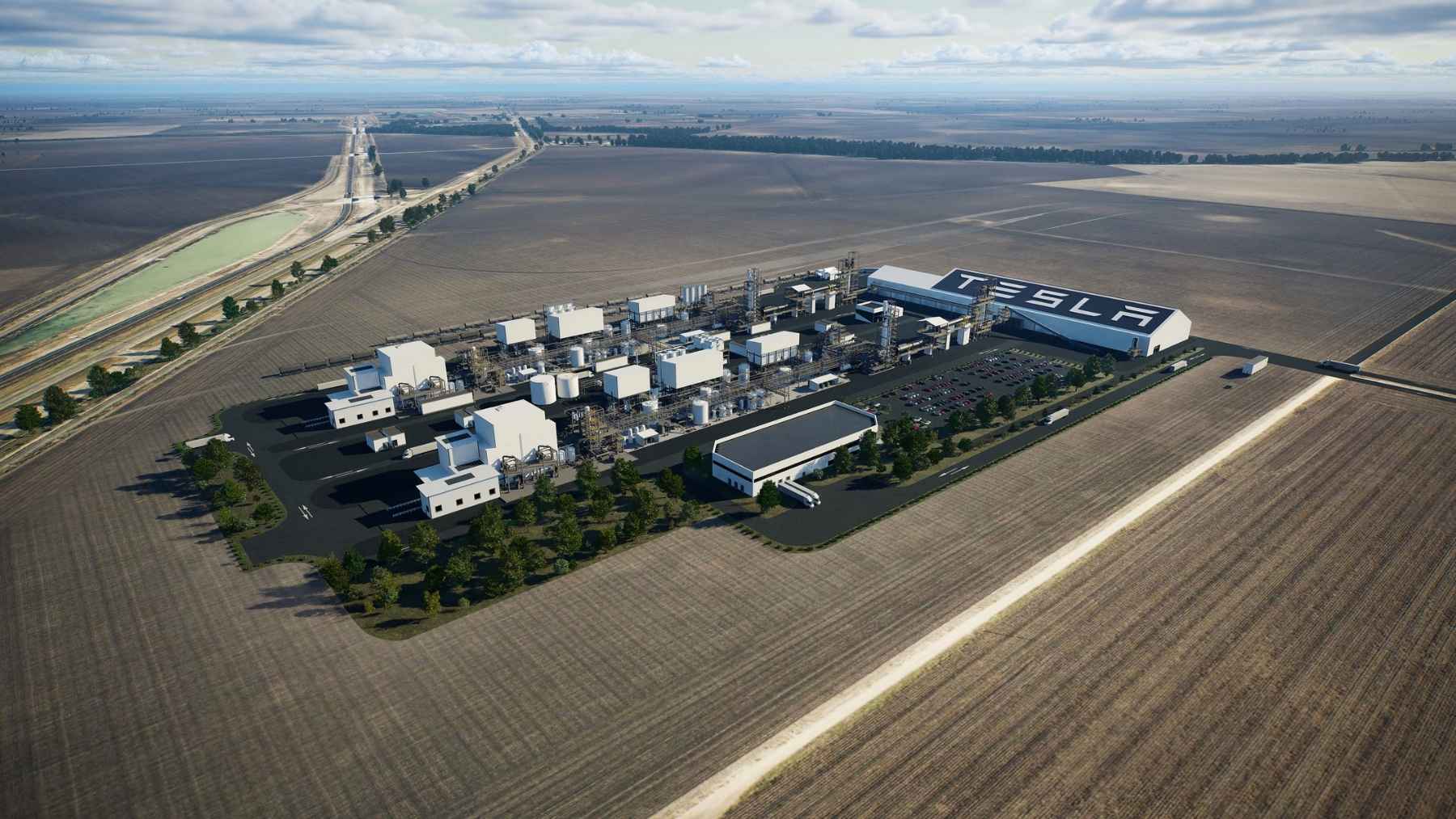
Tesla's Lithium Refinery: A New Controversy Unfolds
Tesla Inc., known for its electric vehicles and renewable energy solutions, has found itself in a contentious spotlight following revelations about its lithium refinery operations. The company, which commenced operations at its nearly $1 billion lithium refinery in December 2024, has been discharging an alarming 231,000 gallons of polluted wastewater daily into the surrounding environment. This development raises significant concerns not only about environmental sustainability but also about the broader implications for Tesla's business model and reputation.
Environmental Impact of Wastewater Discharge
The wastewater in question, described as a dark liquid, is a byproduct of lithium extraction processes that are critical for manufacturing batteries used in electric vehicles. The environmental ramifications of such large-scale wastewater discharge are profound, particularly in an era where corporate responsibility and sustainability are paramount to consumer trust and regulatory compliance. Experts have voiced concerns that the contaminants in the wastewater could adversely affect local ecosystems, including waterways and wildlife.
Regulatory Scrutiny and Compliance Challenges
As Tesla's lithium refinery faces scrutiny, regulatory bodies are likely to intensify their oversight of the company's operations. The discharge of polluted wastewater raises questions about Tesla's adherence to environmental regulations and standards. Analysts suggest that this incident could lead to increased regulatory pressures not only on Tesla but also on the broader lithium extraction industry, which has been under fire for its environmental practices. Compliance with environmental laws will be critical for maintaining Tesla's license to operate and its reputation as a leader in sustainable energy solutions.
The Financial Implications for Tesla
The financial ramifications of this incident could be significant. Investors are increasingly wary of companies that are not perceived as environmentally responsible. A decline in public perception could lead to reduced demand for Tesla's products, impacting sales and, consequently, the company's stock price. Furthermore, potential fines and the costs associated with mitigating environmental damage could strain Tesla's financial resources. Analysts will be closely monitoring how this situation unfolds and its impact on Tesla's earnings reports in the coming quarters.
Investor Sentiment and Market Reactions
Investor sentiment towards Tesla is likely to be influenced heavily by the company's response to this environmental challenge. The market has historically rewarded Tesla for its innovation and leadership in the electric vehicle space, but the company must now navigate the complexities of environmental stewardship. A failure to address the concerns related to the wastewater discharge could lead to a loss of investor confidence, resulting in stock volatility. Market analysts are advising investors to remain cautious as the situation develops.
Corporate Responsibility and Public Perception
In the age of social media and heightened public awareness of environmental issues, corporate responsibility has never been more critical. Tesla's commitment to sustainability is a cornerstone of its brand identity, and any deviation from these values could have lasting repercussions. The public’s reaction to the wastewater discharge will play a crucial role in shaping Tesla’s narrative going forward. Transparency and proactive measures to rectify the situation will be essential in regaining public trust and maintaining the company's image as a pioneer in clean energy.
The Broader Context of Lithium Mining
The issue at Tesla's lithium refinery is emblematic of a larger dilemma facing the lithium mining industry as demand for electric vehicles skyrockets. As countries and consumers increasingly pivot towards sustainable energy, the pressure on lithium producers to meet this demand while adhering to environmental standards intensifies. The balance between production and sustainability will be a critical challenge for Tesla and its competitors, as the global transition to electric vehicles depends heavily on responsible sourcing of lithium and other materials.
Future of Tesla's Lithium Operations
Looking ahead, Tesla will need to reassess its operational practices at the lithium refinery to mitigate environmental impacts. Implementing advanced treatment processes for wastewater and investing in sustainable extraction technologies could be viable paths forward. Additionally, engaging with local communities and stakeholders will be crucial in rebuilding trust and demonstrating a commitment to environmental stewardship.
Industry Responses and Competitive Landscape
The situation at Tesla's lithium refinery may prompt responses from other players in the electric vehicle and lithium mining sectors. Competitors may seize the opportunity to differentiate themselves by highlighting their sustainable practices and environmental compliance. This competitive dynamic could lead to a reevaluation of industry standards, pushing for greater accountability and responsible sourcing practices across the board.
Conclusion: A Pivotal Moment for Tesla
Tesla's lithium refinery and the associated wastewater discharge represent a pivotal moment for the company as it navigates the complexities of environmental responsibility in a rapidly evolving market. The implications of this incident extend beyond immediate operational concerns; it challenges the very foundation of Tesla's brand and its commitment to sustainability. As the company seeks to maintain its leadership position in the electric vehicle market, addressing environmental issues with transparency and accountability will be paramount. The coming weeks and months will be crucial as Tesla responds to this challenge and works to reaffirm its commitment to both innovation and environmental stewardship.