


Historical Context: The Rise and Fall of the League of Ireland
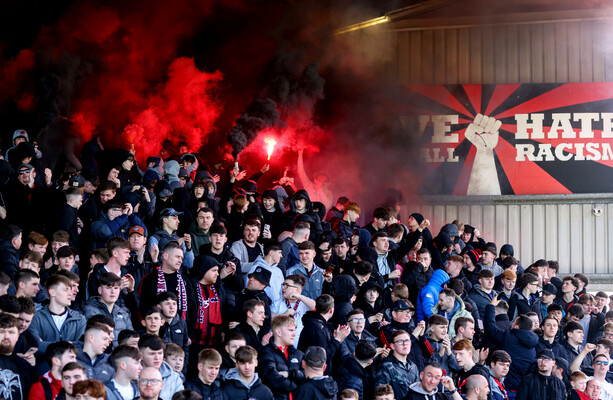
The League of Ireland has experienced a remarkable resurgence in recent years, reminiscent of its peak popularity during the 1960s. Once a vibrant hub for local talent and community engagement, the league faced significant challenges over the decades, including financial instability and reduced media coverage. However, as the appetite for football has grown, so has the league's visibility and relevance, prompting historians to examine the factors contributing to this revival.
The 1960s marked a golden era for the League of Ireland, characterized by competitive teams and a devoted fan base. However, by the late 20th century, the league struggled with declining attendance and financial woes, resulting in a diminished profile compared to other European leagues. The resurgence observed today can be attributed to several intertwined factors, including increased investment, improved governance, and a renewed focus on grassroots development.
Investment and Infrastructure: Fueling the Resurgence
One of the primary drivers behind the current popularity of the League of Ireland is the influx of investment from both domestic and international sources. Increased funding has allowed clubs to enhance their facilities, attract better talent, and improve overall competitiveness. This financial backing has not only elevated the quality of play but has also made the league more attractive to fans and potential sponsors.
Moreover, the establishment of a more robust infrastructure has played a crucial role in the league's revival. Clubs are investing in modern stadiums and training facilities, which not only enhance the matchday experience for fans but also provide players with the environment they need to develop their skills. This commitment to infrastructure is critical for fostering a sustainable football culture that can attract a new generation of supporters.
Governance and Professionalism: A New Era for the League
Alongside financial investment, improved governance has been instrumental in the resurgence of the League of Ireland. The implementation of professional management practices within clubs has led to more efficient operations and better decision-making processes. This shift towards professionalism has also attracted higher-caliber coaches and players, further elevating the league's profile.
The Football Association of Ireland (FAI) has played a pivotal role in this transformation by introducing reforms aimed at enhancing transparency and accountability. These changes have restored confidence among stakeholders and have fostered a more collaborative environment between clubs, sponsors, and fans. As a result, the league is witnessing an increase in attendance and engagement, reflecting a renewed sense of community pride in local football.
Grassroots Development: Cultivating Future Talent
Another significant factor contributing to the League of Ireland's resurgence is the renewed focus on grassroots development. Clubs are increasingly recognizing the importance of nurturing local talent and engaging with their communities. By investing in youth academies and outreach programs, teams are not only securing their future success but also fostering a sense of belonging among fans.
Historians emphasize that this grassroots approach is essential for the league's long-term sustainability. By creating pathways for young players to transition into professional football, clubs are ensuring a steady influx of talent that can compete at higher levels. This commitment to development is also key to building a loyal fan base, as communities rally around their local clubs and players.
Media Coverage and Digital Engagement: Expanding the Audience
The resurgence of the League of Ireland has coincided with a significant increase in media coverage and digital engagement. The rise of social media platforms and streaming services has enabled clubs to reach a broader audience, both domestically and internationally. This expanded visibility is essential for attracting new fans and sponsors, which in turn supports the league's growth.
Historically, the league struggled to secure consistent media coverage, limiting its exposure to potential supporters. However, the current landscape has changed dramatically, with numerous platforms dedicating airtime to match highlights, interviews, and analysis. This increased visibility is helping to reshape perceptions of the league, presenting it as a competitive alternative to more established leagues.
Challenges Ahead: Sustaining the Momentum
Despite the positive developments, historians caution that challenges remain for the League of Ireland. Sustaining the momentum of this resurgence will require ongoing investment, both in terms of finances and community engagement. As clubs strive to maintain their competitive edge, they must also prioritize initiatives that promote inclusivity and accessibility for fans.
Moreover, as the league gains traction, the risk of financial instability looms larger. Clubs must navigate the delicate balance between attracting talent and maintaining fiscal responsibility. Historians warn that without careful management, the league could face the same pitfalls that contributed to its decline in previous decades.
The Future of the League: Opportunities and Expectations
Looking ahead, the future of the League of Ireland appears promising, provided that stakeholders remain committed to the principles that have driven its resurgence. The combination of increased investment, improved governance, and a focus on grassroots development presents a unique opportunity for the league to solidify its status as a key player in European football.
Historians highlight the importance of fostering a culture of collaboration among clubs, the FAI, and the fan base. By working together, stakeholders can create an environment that not only attracts talent but also retains it, ensuring that the league continues to flourish. The ongoing development of local talent and community engagement will be crucial as the league navigates the evolving landscape of professional football.
Conclusion: Embracing the Journey Ahead
The resurgence of the League of Ireland is a testament to the resilience of local football and the communities that support it. As the league continues to evolve, it is essential for all stakeholders to embrace the journey ahead with a commitment to sustainability, inclusivity, and growth. By learning from the past and leveraging the opportunities presented by the present, the League of Ireland can pave the way for a bright future in the world of football.