


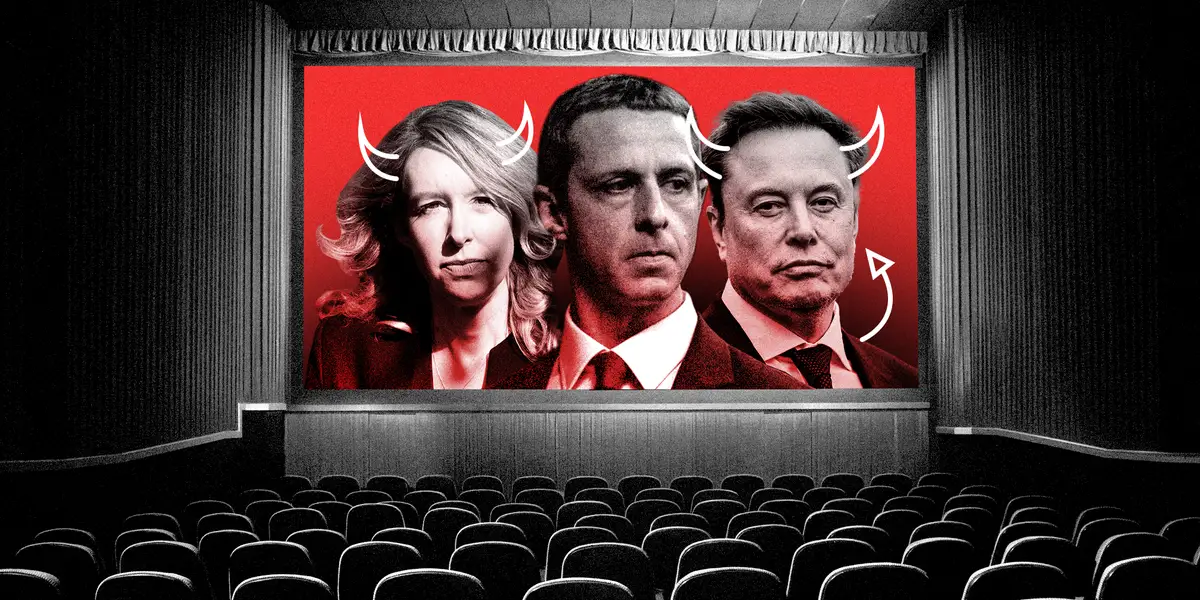
The Emergence of the 'Big Bad Theory'
In recent months, a phenomenon dubbed the 'Big Bad Theory' has emerged within financial and tech circles, encapsulating a growing unease about the perceived excesses and moral ambiguities of Silicon Valley. This theory suggests that the tech industry, particularly its most prominent players, are becoming increasingly disconnected from societal norms and ethical standards, leading to a palpable tension between innovation and responsibility. The term gained traction through various discussions, notably highlighted in the recent documentary “Cupertino,” which critiques the culture and practices of Silicon Valley.
Silicon Valley's Cultural Disconnect
The documentary "Cupertino" serves as a lens into the heart of Silicon Valley, revealing a culture that some argue has strayed far from its original ideals of democratizing technology and fostering community. Instead, it portrays a landscape where profit motives often overshadow ethical considerations. The 'Big Bad Theory' suggests that this disconnect is not merely anecdotal but indicative of a larger trend where tech giants prioritize shareholder value over social responsibility, leading to a potential backlash from consumers and regulators alike.
The Financial Implications of the 'Big Bad Theory'
The financial markets have begun to reflect the anxieties encapsulated in the 'Big Bad Theory.' Investors are increasingly scrutinizing the business practices of tech companies, particularly those that have faced public backlash for their perceived role in societal issues. Companies like Facebook and Google have seen their stock prices fluctuate in response to public relations crises, regulatory inquiries, and growing calls for accountability. As investor sentiment shifts, the potential for a reevaluation of tech valuations looms large.
Investor Sentiment and Market Dynamics
With the rise of the 'Big Bad Theory,' investor sentiment is beginning to shift towards a more cautious approach regarding tech stocks. The once-unassailable growth narratives of Silicon Valley companies are now often accompanied by questions about sustainability and ethical governance. This change is evidenced by movements in stock prices and increased volatility in tech sectors, leading to a broader reassessment of what constitutes a “good investment” in the current climate.
The Role of Regulation in Shaping the Tech Landscape
As the 'Big Bad Theory' gains traction, regulatory bodies are also taking note. Governments around the world are beginning to implement stricter regulations aimed at curbing the excesses of tech giants. This includes measures to enhance data privacy, promote competition, and ensure that these companies operate within ethical frameworks. The potential impact of such regulations could be significant, as they may alter the competitive landscape and force companies to adapt their business models in ways that prioritize ethical considerations over profit.
The Consumer Response: A Shift in Preferences
Consumer attitudes are also evolving in response to the narratives surrounding the 'Big Bad Theory.' A growing segment of the population is becoming more conscious of the ethical implications of their purchasing decisions. This shift is prompting tech companies to re-evaluate their branding and marketing strategies, as consumers increasingly favor businesses that demonstrate social responsibility and transparency. As brands grapple with this new consumer landscape, the implications for their bottom lines could be profound.
Case Studies: Companies Under Scrutiny
Several high-profile tech companies have found themselves at the center of the 'Big Bad Theory' discussion. For instance, Facebook's handling of user data and its role in the spread of misinformation has raised significant ethical questions, leading to calls for increased regulation and corporate accountability. Similarly, companies like Uber and Tesla have faced scrutiny over labor practices and safety concerns, prompting discussions about the broader implications of their business strategies. These case studies illustrate the real-world consequences of the disconnect between Silicon Valley’s innovative aspirations and societal expectations.
The Future of Silicon Valley: Balancing Innovation and Ethics
Looking ahead, the challenge for Silicon Valley will be to reconcile its drive for innovation with the ethical considerations increasingly demanded by consumers and regulators. The 'Big Bad Theory' serves as a cautionary tale for tech leaders, highlighting the importance of integrating ethical frameworks into business strategies. Companies that can successfully navigate this complex landscape may find themselves better positioned for sustainable growth, while those that fail to adapt may face significant risks.
Conclusion: Navigating the New Tech Paradigm
The 'Big Bad Theory' encapsulates a critical moment in the evolution of Silicon Valley. As the industry grapples with the implications of its actions and the growing demands for accountability, the financial landscape is poised for transformation. Investors, regulators, and consumers alike will play pivotal roles in shaping the future of technology. The challenge lies in fostering an environment where innovation and ethical responsibility coexist, ensuring that the advancements of today do not come at the expense of societal well-being tomorrow.
Source: Open original source