


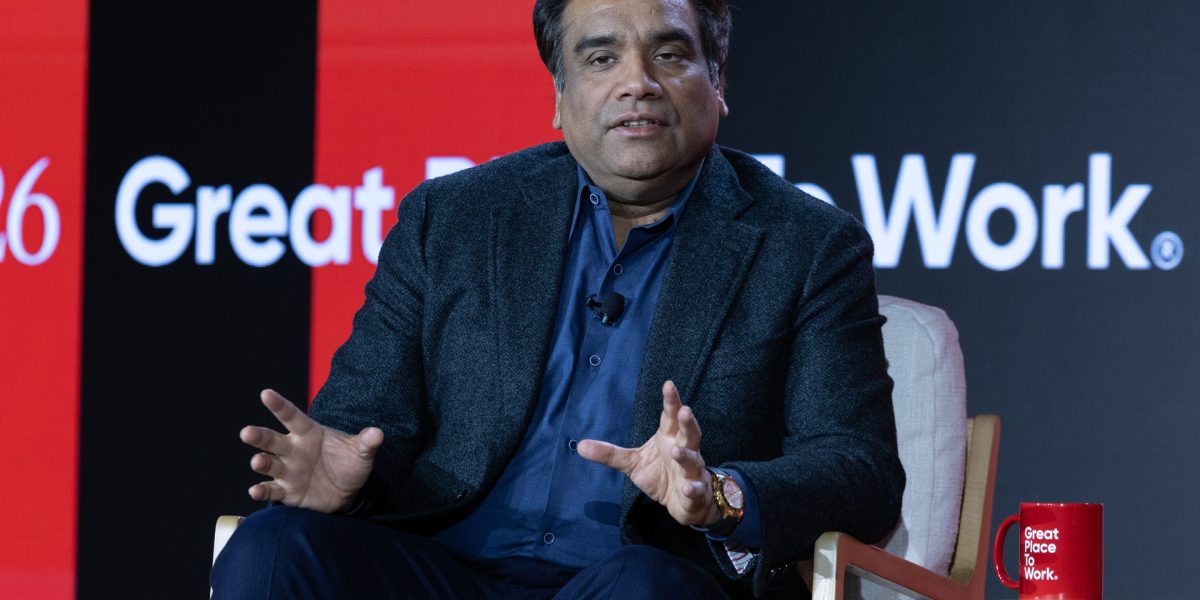
Anirudh Devgan's Perspective on America's Debt Crisis
Anirudh Devgan, the CEO of Cadence Design Systems, has been a pivotal figure in the semiconductor industry, particularly during the AI boom that has reshaped technology and business landscapes. In a recent discussion, he pivoted from the technicalities of chip design to the pressing economic issue of America's burgeoning national debt, currently pegged at a staggering $39 trillion. Devgan draws parallels between this debt crisis and the pitfalls that often lead to the downfall of great companies, emphasizing the importance of fiscal responsibility in ensuring long-term economic health.
The Paradox of Strength and Debt
Devgan's insights underscore a paradox that many economists and business leaders grapple with: America possesses unmatched strengths in innovation, technology, and human capital, yet it is burdened by a debt load that threatens its economic stability. "You can't have a country that is not making money with all the strengths that we have," he stated, highlighting a fundamental truth about sustainable growth. While the U.S. economy has historically been resilient, the current trajectory of debt accumulation raises serious questions about future prosperity.
The Implications of Rising Debt
As the national debt continues to climb, concerns mount regarding the implications for economic growth and fiscal policy. Devgan argues that excessive debt can stifle innovation and investment, both of which are crucial for maintaining a competitive edge in the global economy. Just as companies that fail to manage their debt effectively often find themselves in precarious positions, so too could a nation that neglects its fiscal responsibilities. This comparison serves as a cautionary tale for policymakers and business leaders alike.
Lessons from Corporate America
Devgan’s experience in the tech sector provides a framework for understanding the relationship between debt and corporate success. Many successful companies prioritize financial health, employing strategies that ensure profitability and sustainable growth. They recognize that unchecked debt can lead to operational inefficiencies and limit their ability to invest in innovation. Devgan suggests that the same principles should apply to national governance, advocating for a more disciplined approach to fiscal policy.
The Role of Innovation in Economic Recovery
Innovation has been a cornerstone of America's economic success, particularly in the technology sector. Devgan believes that leveraging this strength can help mitigate the effects of national debt. By fostering an environment that encourages technological advancements and entrepreneurship, the U.S. can create new revenue streams that contribute to debt reduction. "We need to harness our innovative spirit to drive economic growth," he remarked, underscoring the potential for tech-driven solutions to address fiscal challenges.
Government and Private Sector Collaboration
Another key theme in Devgan's discussion is the necessity for collaboration between the government and the private sector. In times of fiscal strain, innovative partnerships can yield significant benefits. For instance, public-private collaborations can enhance infrastructure, education, and research initiatives, ultimately leading to increased productivity and economic output. Devgan advocates for a more proactive role from government entities in fostering such alliances, emphasizing that a cohesive strategy is essential for addressing the debt crisis head-on.
The Global Competitive Landscape
As America grapples with its debt, the global competitive landscape continues to evolve. Other nations are aggressively investing in technology and innovation, often supported by favorable fiscal policies. Devgan warns that without a concerted effort to manage debt and foster growth, the U.S. risks losing its competitive edge. "We are in a race against time," he stated, urging for immediate action to secure America's position as a leader in the global economy.
Addressing the Root Causes of Debt
To effectively tackle the issue of national debt, Devgan emphasizes the importance of addressing its root causes. This includes not only managing expenditures but also reforming entitlement programs and tax policies to ensure they are sustainable in the long term. He advocates for a comprehensive approach that involves all stakeholders, including citizens, businesses, and government officials. Only through collective action can the nation hope to reverse the trend of rising debt.
The Importance of Economic Education
Devgan also highlights the role of economic education in fostering a more informed citizenry. As fiscal issues become increasingly complex, understanding the implications of national debt is crucial for public discourse and policymaking. By promoting financial literacy and encouraging discussions around economic policies, Devgan believes that citizens can contribute more effectively to the decision-making processes that shape the nation's fiscal future.
Conclusion: A Call to Action
In conclusion, Anirudh Devgan's reflections on America's $39 trillion debt serve as a sobering reminder of the challenges facing the nation. By drawing parallels between corporate debt management and national fiscal responsibility, he underscores the urgent need for a shift in approach. Innovation, collaboration, and education emerge as critical components in addressing the debt crisis and securing a prosperous economic future. As America continues to navigate this complex landscape, the insights of leaders like Devgan may prove invaluable in charting a sustainable course forward.