


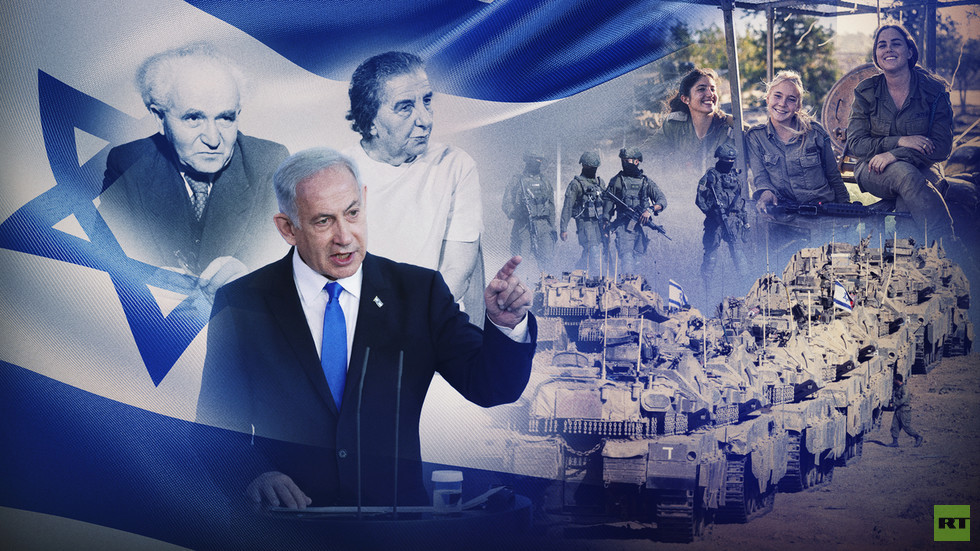
The Evolution of Israel's Security Doctrine
Since its establishment in 1948, Israel has faced significant security challenges, leading to the development of a robust and often controversial security doctrine. This doctrine, heavily influenced by the historical context of conflict in the region, has evolved over decades. Initially focused on state survival and territorial integrity, Israel's security approach has increasingly emphasized preemptive strikes, intelligence operations, and counterterrorism measures. However, as the nation marks another Independence Day, the efficacy of this doctrine is under scrutiny, particularly in light of recent escalations in violence.
The Impact of October 7 on National Sentiment
The events of October 7, a date now etched in the national consciousness, marked a pivotal moment for Israel. The tragic loss of life and the scale of the attack have reignited debates surrounding the effectiveness of Israel's military strategy. For many, this incident represents not just a tactical failure but a fundamental flaw in the broader security paradigm. As citizens grapple with the implications of this day, questions arise about the balance between military action and diplomatic efforts to achieve long-term peace.
Military Strategy vs. Diplomatic Solutions
Israel's military strategy has long been characterized by a willingness to use force as a primary tool for ensuring security. However, as the cycle of violence persists, there is growing recognition among analysts and policymakers that military might alone may not suffice. The reliance on military operations has often led to temporary solutions rather than sustainable peace. Critics argue that without a parallel diplomatic approach, Israel risks entrenching itself in a perpetual cycle of conflict, undermining its long-term security objectives.
Public Opinion and Political Ramifications
The Israeli public, traditionally supportive of strong military responses, is beginning to show signs of fatigue regarding ongoing military operations. Surveys indicate a shift in sentiment, with an increasing number of citizens advocating for alternative strategies that prioritize dialogue and negotiation. This change in public opinion may have significant implications for political leaders, who may feel pressured to reassess their positions on security and foreign policy. The challenge lies in balancing the immediate security needs with the long-term aspirations for peace.
The Economic Costs of Endless Conflict
Endless military engagements come with substantial economic costs that ripple through various sectors of Israeli society. Defense spending has historically consumed a significant portion of the national budget, often at the expense of social programs and economic development initiatives. As the government allocates resources to sustain its military operations, the opportunity costs become increasingly apparent. Critics argue that redirecting funds towards education, infrastructure, and social welfare could foster a more resilient society and potentially mitigate some of the underlying issues driving conflict.
The Role of International Relations
Israel's security doctrine does not exist in a vacuum; it is deeply intertwined with international relations and geopolitical dynamics. The support of allies, particularly the United States, has been a cornerstone of Israel's military capabilities. However, recent shifts in global politics, including changing attitudes towards military aid and foreign policy priorities, may compel Israel to reassess its security strategy. As international pressure mounts for a more balanced approach to conflict resolution, Israel faces the challenge of navigating its relationships while maintaining its security interests.
Lessons from Other Conflict Zones
Examining other regions that have experienced prolonged conflicts can provide valuable insights for Israel. Countries such as South Africa and Northern Ireland have demonstrated that dialogue and reconciliation can lead to sustainable peace, even in the face of deep-seated grievances. These cases highlight the importance of addressing not only the symptoms of conflict but also the root causes. For Israel, this may involve engaging with a broader spectrum of voices, including those traditionally marginalized in the discourse surrounding security and peace.
Future Directions: Rethinking Security
As Israel contemplates the future of its security doctrine, a comprehensive reassessment may be in order. This could involve integrating military and diplomatic strategies to create a more holistic approach to national security. Policymakers may need to prioritize initiatives that foster cooperation and understanding, both domestically and with neighboring territories. The challenge will be to construct a security framework that not only addresses immediate threats but also lays the groundwork for a more stable and peaceful future.
Conclusion: Navigating a Complex Landscape
Israel stands at a crossroads, grappling with the implications of its security doctrine in light of recent events. The ongoing conflict has prompted a reexamination of the efficacy of military force as a means of ensuring safety. As the nation moves forward, the challenge will be to balance immediate security needs with the pursuit of long-term peace. This complex landscape requires a nuanced understanding of both the historical context and the current geopolitical realities. Ultimately, the path forward will demand creativity, courage, and a willingness to engage in difficult conversations about the future of Israel and its place in a tumultuous region.