


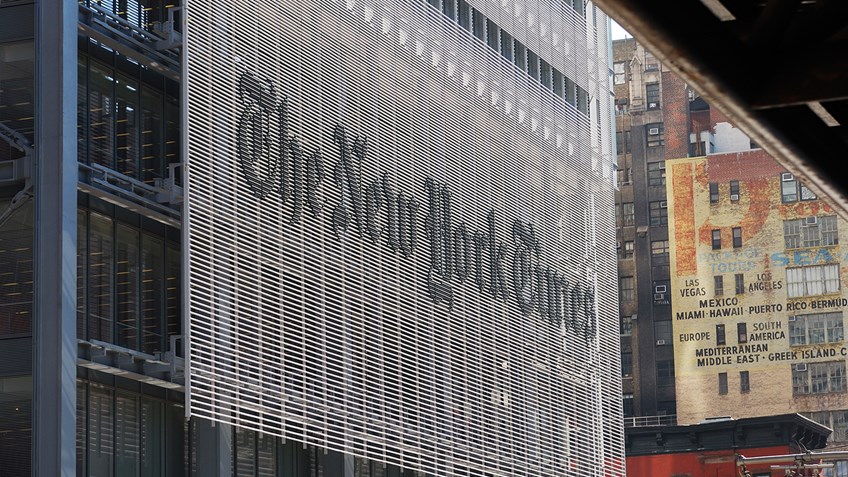
Introduction: Unpacking the Allegations Against The New York Times
In recent developments surrounding the Epstein scandal, venture capitalist David Sacks has accused The New York Times of shielding prominent Democratic mega-donors, notably Reid Hoffman, a co-founder of LinkedIn. This situation raises critical questions about media integrity and the potential influence of financial power on journalistic standards. With Hoffman’s name mentioned over 2,600 times in connection with Epstein, the implications of such allegations could reverberate through both political and financial landscapes.
The Role of Media in Political Accountability
The media's role in promoting transparency and accountability has never been more crucial, particularly in an era where public trust in journalistic institutions is waning. Sacks' assertions highlight a perceived double standard in how the media covers individuals with significant financial clout. Critics argue that the protection of Hoffman's reputation by a leading publication like The New York Times exemplifies a troubling trend where economic influence can shield individuals from scrutiny, thereby undermining the very principles of democracy.
Financial Implications for the Democratic Party
Hoffman's financial contributions to the Democratic Party are substantial, raising concerns about the potential for conflicts of interest. As a major donor, his influence extends into various political and social initiatives, making the media's portrayal of him a matter of public interest. If allegations of corruption in reporting are substantiated, it could lead to a reevaluation of donor relationships within the party and potentially impact future fundraising efforts.
The Impact on Investor Confidence
Investor confidence in companies associated with major political donors can be significantly affected by scandals. As public opinion shifts in response to media coverage, companies linked to controversial figures may face backlash that could impact their stock performance and overall market standing. For instance, LinkedIn's parent company, Microsoft, might encounter scrutiny over its association with Hoffman, possibly affecting investor sentiment and stock prices.
The Broader Implications for Journalistic Integrity
The allegations against The New York Times underscore a growing concern regarding journalistic integrity in the age of partisan reporting. As media outlets navigate the complex interplay between advertising revenue, political affiliations, and public trust, the risk of compromising journalistic standards becomes more pronounced. The fallout from such incidents may prompt calls for greater transparency and accountability within the media industry.
Conclusion: The Call for Ethical Journalism
The ongoing Epstein scandal serves as a reminder of the critical need for ethical journalism, particularly when powerful individuals are involved. As allegations of media corruption surface, the responsibility falls on both journalists and consumers of news to demand higher standards of accountability. The implications of this controversy extend beyond individual reputations, affecting the political landscape and financial markets alike. The future of media credibility may hinge on how institutions like The New York Times respond to these challenges and whether they can restore public trust in their reporting.