


Background on the Controversy
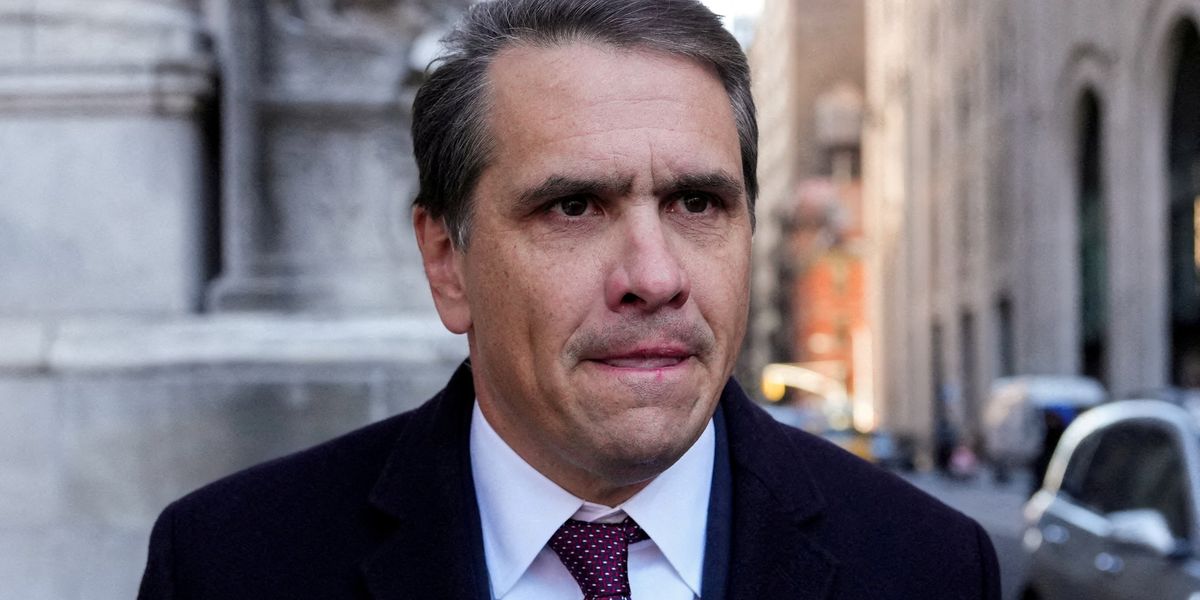
In a political landscape often fraught with controversy, the recent actions of Todd Blanche, Deputy Attorney General and prominent lawyer for former President Donald Trump, have drawn significant scrutiny. This week, a group of six senators publicly accused Blanche of a "glaring conflict of interest" in relation to his decision to halt investigations into cryptocurrency companies and eliminate an enforcement unit that was specifically tasked with addressing crypto-related fraud. The implications of these actions raise critical questions about regulatory oversight and the integrity of the justice system in a rapidly evolving financial sector.
The Role of Cryptocurrency in Financial Regulation
The cryptocurrency market has witnessed explosive growth over the past few years, attracting both legitimate investors and opportunistic fraudsters. With this growth, regulatory bodies have been under pressure to ensure that the market operates transparently and fairly. The Department of Justice (DOJ) had previously established an enforcement team dedicated to investigating potential fraud within the crypto space. However, Blanche's recent decision to dissolve this team has raised alarms among lawmakers who fear that such actions could embolden illicit activities in an already murky financial environment.
Senators' Concerns Over Regulatory Integrity
The six senators, who have not shied away from voicing their concerns, argue that Blanche's dual role as a top Trump attorney creates an inherent conflict of interest. They contend that his legal work for the former president may influence his decision-making in his capacity as Deputy Attorney General, particularly in matters involving investigations that could affect Trump's business interests. The senators have called for greater transparency and accountability in the DOJ's operations, emphasizing the need for strict adherence to ethical standards in the enforcement of financial regulations.
Potential Impact on the Cryptocurrency Market
The termination of the crypto enforcement team could have far-reaching consequences for the cryptocurrency market. A lack of regulatory oversight may lead to an increase in fraudulent schemes, undermining investor confidence and stalling the maturation of the market. As new investors enter the space, the absence of protective measures could deter institutional investment and hinder the overall growth potential of the industry. This situation has sparked a debate about the balance between fostering innovation and ensuring consumer protection in a sector characterized by its rapid evolution.
Political Ramifications and Future Implications
The political ramifications of this controversy extend beyond the immediate concerns of regulatory integrity. As the Biden administration continues to grapple with the complexities of cryptocurrency regulation, the actions taken by key officials like Blanche will likely be scrutinized in the context of broader policy objectives. The senators’ accusations may also ignite further discussions around the need for comprehensive legislation that addresses the challenges posed by cryptocurrencies while safeguarding against financial misconduct.
Conclusion: A Call for Ethical Governance
As the landscape of digital finance continues to evolve, the need for ethical governance and robust regulatory frameworks becomes increasingly critical. The allegations against Todd Blanche underscore the importance of maintaining a clear separation between legal representation and public service, particularly in high-stakes financial matters. Moving forward, stakeholders in both the public and private sectors will need to advocate for transparency and accountability to