


Understanding Trump's Foreign Policy Approach
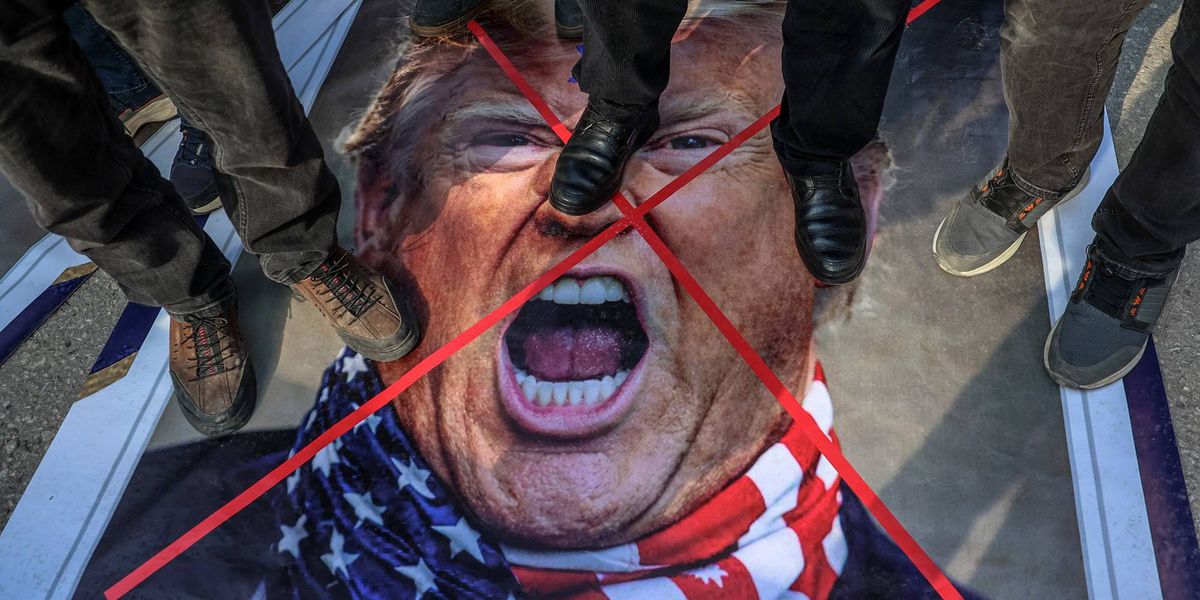
President Donald Trump's foreign policy has been characterized by a blend of unpredictability and assertiveness, particularly regarding Iran. His administration has pursued a strategy of maximum pressure, which aims to curtail Iran's nuclear ambitions and diminish its influence in the Middle East. This approach diverges significantly from the more diplomatic tactics employed by his predecessors, who often favored negotiation and multilateral agreements. Trump's willingness to abandon the Iran nuclear deal, formally known as the Joint Comprehensive Plan of Action (JCPOA), has raised concerns among analysts about the potential for escalating tensions in the region.
Personality Traits and Decision-Making
Trump's personality traits play a pivotal role in shaping his foreign policy decisions. Known for his confrontational style and penchant for direct communication, he often prioritizes personal relationships over traditional diplomatic protocols. This approach can be seen in his dealings with world leaders, where personal rapport is frequently emphasized. However, critics argue that this style may lead to erratic decision-making and a lack of coherence in policy. The impulsive nature of Trump's statements and actions raises questions about the stability and predictability of U.S. foreign relations, particularly in volatile regions like the Middle East.
Comparative Analysis with Postwar Presidents
When comparing Trump to his postwar predecessors, it becomes evident that his foreign policy is distinct in several ways. Previous administrations typically operated within a framework of established alliances and international norms. Trump, however, has demonstrated a willingness to challenge these conventions, often questioning the value of NATO and other alliances. His approach to Iran, characterized by unilateral actions and a disregard for multilateral agreements, marks a significant departure from the policies of leaders such as Barack Obama and George W. Bush, who sought to engage with Iran through diplomatic channels.
The Implications of Trump's Iran Strategy
The implications of Trump's aggressive stance towards Iran are multifaceted. Economically, the sanctions imposed on Iran have had a profound impact on its economy, leading to increased inflation and a devaluation of its currency. These economic challenges are likely to exacerbate domestic unrest within Iran, potentially destabilizing the regime. Furthermore, the heightened tensions have prompted Iran to accelerate its nuclear program, raising fears of a nuclear arms race in the region. As Trump's policies unfold, stakeholders in global markets must remain vigilant, as any escalation could have significant repercussions for oil prices and overall market stability.
Potential Consequences for U.S. Democracy
Beyond international relations, there are concerns regarding the implications of Trump's leadership style for U.S. democracy. Critics argue that his authoritarian tendencies and disregard for democratic norms pose a threat to the foundational principles of American governance. The erosion of institutional checks and balances, along with the undermining of the media's role in a democratic society, raises alarms about the long-term health of U.S. democracy. As Trump continues to assert his influence, it remains crucial for citizens and political institutions to uphold democratic values and ensure accountability.
The Role of Economic Sanctions in Foreign Policy
Economic sanctions have become a cornerstone of Trump's foreign policy, particularly in dealing with adversaries like Iran. By leveraging the power of the U.S. economy, the administration seeks to compel compliance with its demands. However, the effectiveness of sanctions as a tool of foreign policy remains a topic of debate among scholars and policymakers. While sanctions can inflict economic pain, they may also entrench adversarial regimes and foster anti-American sentiment. The long-term efficacy of Trump's sanctions strategy will depend on its ability to achieve desired outcomes without exacerbating tensions or undermining U.S. interests.
The Future of U.S.-Iran Relations
The future of U.S.-Iran relations remains uncertain as Trump navigates a complex geopolitical landscape. As tensions continue to simmer, the potential for miscalculation or conflict looms large. The absence of diplomatic channels and the reliance on military posturing could lead to unintended consequences. For investors and global markets, the prospect of armed conflict in the Middle East presents significant risks, particularly in energy markets. The volatility associated with such uncertainties underscores the need for a more measured approach to foreign policy that prioritizes dialogue over confrontation.
Public Perception and Political Ramifications
Public perception of Trump's foreign policy, particularly regarding Iran, is deeply polarized. Supporters argue that his tough stance is necessary to protect U.S. interests and deter aggression, while critics contend that it risks igniting a broader conflict. The political ramifications of these views are significant, especially as the 2024 presidential election approaches. Candidates will likely leverage foreign policy issues to galvanize support, and Trump's approach to Iran will be a focal point of debate. Voter sentiment on this issue could influence not only the election outcomes but also the future direction of U.S. foreign policy.
Conclusion: Navigating a Complex Landscape
As President Trump continues to navigate the complexities of foreign policy, particularly in relation to Iran, the implications of his actions will resonate far beyond the immediate geopolitical landscape. The intertwining of personality traits, economic strategies, and democratic principles creates a multifaceted challenge for both U.S. leadership and global stability. Stakeholders in the financial markets must remain attuned to these developments, as the outcomes of Trump's policies could shape the economic environment for years to come. In this intricate scenario, understanding the potential risks and rewards is essential for informed decision-making in an increasingly interconnected world.