


Escalating Tensions: The Implications of Recent Strikes on Iran
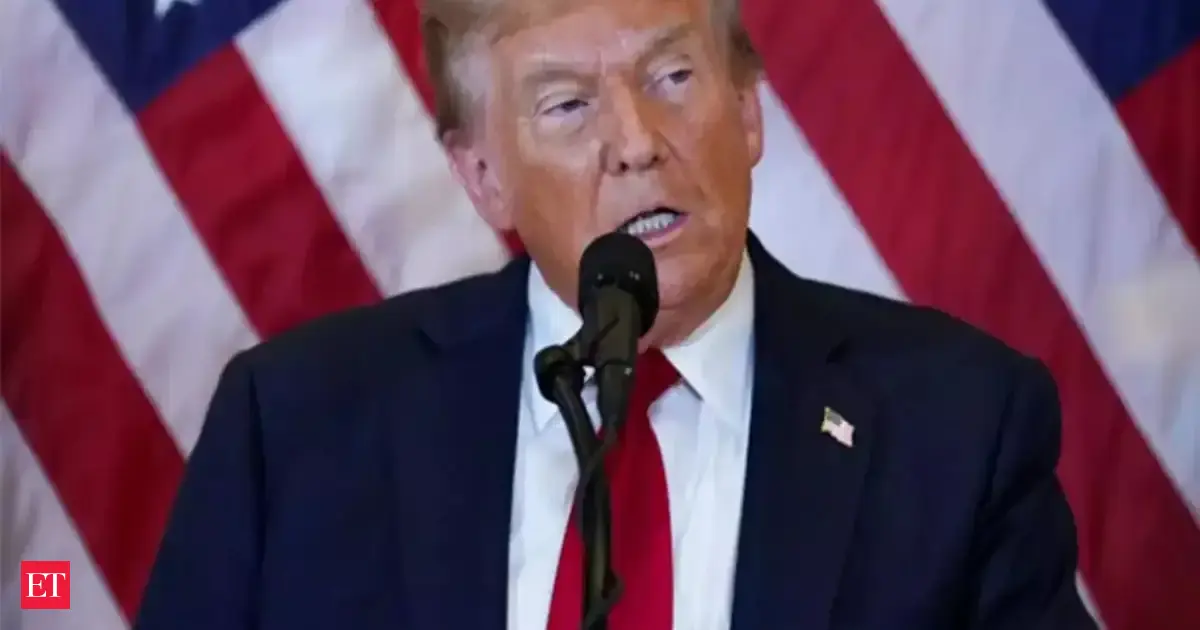
The geopolitical landscape surrounding Iran has once again been thrust into the global spotlight following remarks made by former President Donald Trump in a recent Fox News interview. Trump claimed that 48 Iranian leaders were killed in a series of strikes, a statement that, if verified, could have profound implications for U.S. foreign policy, regional stability, and financial markets. The assertion has sparked a wave of reactions from political analysts, investors, and policymakers alike, all attempting to assess the potential fallout from such a dramatic escalation.
Market Reactions to Geopolitical Uncertainty
Financial markets are notoriously sensitive to geopolitical developments, and the news of increased military action in Iran has already begun to ripple through various sectors. Energy prices, particularly crude oil, often react sharply to tensions in the Middle East, a region that plays a pivotal role in global oil supply. Analysts are closely monitoring oil futures, as any disruption in Iranian oil exports could lead to significant price volatility. In the immediate aftermath of Trump's statements, oil prices have seen a modest uptick, reflecting investor concerns about potential supply disruptions.
Impact on U.S.-Iran Relations
Trump's comments come at a time when U.S.-Iran relations are already strained. The former president's assertion of a successful military operation could be interpreted as an endorsement of a more aggressive U.S. stance towards Iran, which has historically been met with mixed reactions from both domestic and international audiences. Analysts suggest that such rhetoric may further complicate diplomatic efforts aimed at de-escalation and could drive Iran to respond with retaliatory measures, heightening the risk of broader conflict in the region.
Investor Sentiment and Risk Assessment
In the wake of Trump's statements, investor sentiment has turned cautious. Market participants are recalibrating their risk assessments, factoring in the potential for increased military engagement in the Middle East. Defense stocks may see a short-term boost as investors speculate on increased government spending in military operations, while sectors reliant on stable energy prices, such as airlines and transportation, might experience downward pressure. Analysts are advising investors to closely monitor developments in the region and consider diversifying their portfolios to hedge against potential volatility.
Global Reactions and Diplomatic Ramifications
The international community is watching the situation closely, with leaders from various countries expressing concern over the escalating rhetoric and military actions. European allies, in particular, have emphasized the need for dialogue and diplomatic solutions to avoid further conflict. The potential for a military escalation raises questions about the United States' role in the region and its relationships with key allies, including Israel and Saudi Arabia, who have historically supported a tough stance against Iran.
The Broader Economic Impact of Military Engagement
Military engagements often come with significant economic costs, not only in terms of direct military spending but also in the long-term implications for trade and investment. Should the situation escalate further, the broader economic impact could extend beyond the immediate region, affecting global supply chains and trade routes. Econom