


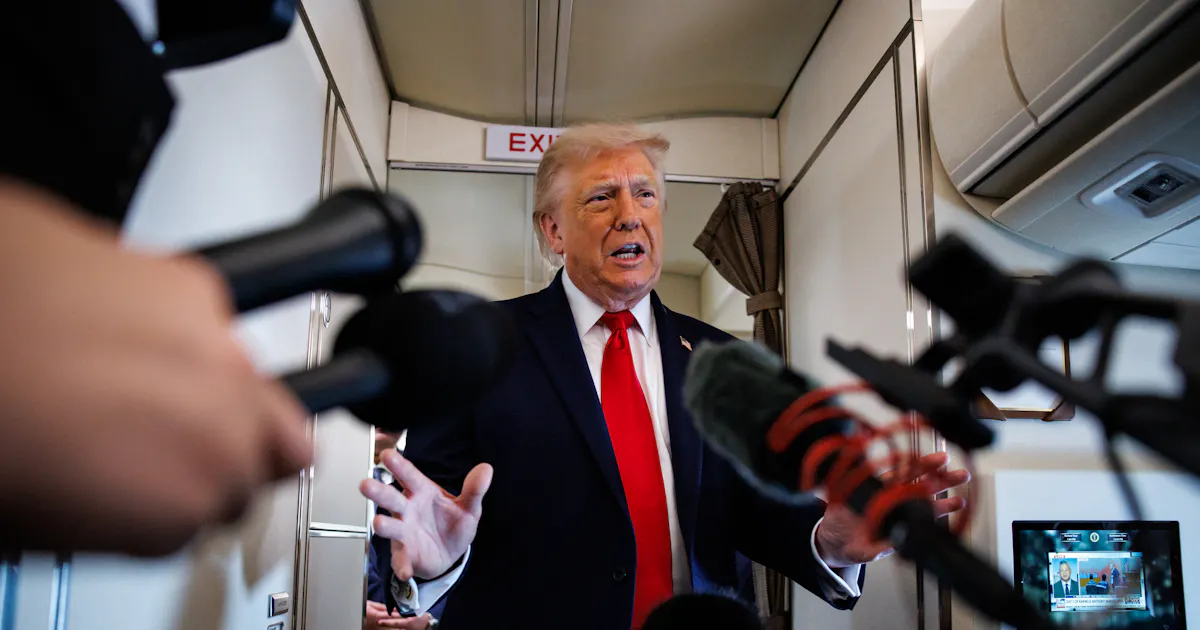
Trump's Controversial Remarks on Iran's Oil Reserves
In a striking statement during an interview with ABC News, former President Donald Trump suggested that the United States could benefit financially from Iran's vast oil reserves as a form of retribution for the ongoing tensions and conflicts in the region. His comments have reignited discussions about the economic implications of U.S. foreign policy, particularly regarding oil-rich nations and potential military interventions.
The Implications of Oil Nationalization
Trump's proposal to "steal" half of Iran's oil raises significant questions about the legality and morality of such actions under international law. Nationalization of resources in a country often leads to severe economic repercussions, not only for the targeted nation but also for the aggressor. Historically, attempts to seize resources through military means have resulted in long-term instability and increased hostility, potentially impacting global oil markets.
The Geopolitical Landscape and Oil Markets
Iran is one of the key players in the global oil market, and any move to disrupt its oil production could have far-reaching consequences. The nation holds the fourth-largest proven oil reserves in the world, and its oil exports are crucial for its economy. Trump's remarks could signal a shift in U.S. foreign policy, potentially escalating tensions in an already volatile region. Analysts warn that such a strategy might lead to retaliatory measures from Iran, further destabilizing the Middle East and impacting global oil prices.
Infrastructure Development as a Justification
In his comments, Trump emphasized the need for rebuilding infrastructure in the context of war payback, suggesting that seizing Iranian oil could finance new projects in the U.S. This rationale touches on a broader theme of using foreign resources to fund domestic initiatives. However, critics argue that this approach undermines international norms and could set a dangerous precedent for future U.S. engagements abroad. The complexities of rebuilding efforts in war-torn regions are often underestimated, and the assumption that profits could easily translate into infrastructure investment at home is overly simplistic.
Market Reactions to Trump's Statements
The financial markets reacted to Trump's comments with a mix of skepticism and caution. Oil prices, which have been volatile due to various geopolitical factors, experienced slight fluctuations following his remarks. Investors are wary of the potential for increased military action in the region, which could disrupt oil supply chains and lead to higher prices at the pump. Market analysts are closely monitoring developments, as any significant shifts in U.S. policy towards Iran could have immediate effects on crude oil futures and related equities.
The Role of American Energy Independence
Trump's statements come at a time when the U.S. has made considerable strides towards energy independence, largely due to the shale oil boom. This newfound status has altered the dynamics of U.S. foreign policy, with less reliance on Middle Eastern oil. However, the prospect of engaging in aggressive actions to seize foreign resources raises questions about the sustainability of this independence and the ethical implications of such a strategy. Critics argue that the U.S. should focus on diplomatic solutions rather than military interventions, which could lead to a more stable and predictable energy market.
Domestic Political Ramifications
Trump's remarks have also sparked debate within the political arena, as lawmakers grapple with the implications of his proposed actions. While some Republican leaders may support a hardline approach to Iran, others caution against the potential backlash from both domestic and international communities. The idea of profiting from war through resource acquisition may resonate with Trump's base but could alienate moderate voters who prioritize diplomacy and peace. As the 2024 election approaches, these discussions will likely play a significant role in shaping the narrative surrounding U.S. foreign policy.
Ethical Considerations and Public Sentiment
The ethical considerations surrounding Trump's comments cannot be overlooked. Advocating for the seizure of another country's resources raises profound moral questions about the justification of war and the treatment of sovereign nations. Public sentiment regarding military interventions has shifted over the years, with many Americans expressing fatigue over prolonged conflicts in the Middle East. Polls indicate that a significant portion of the population favors diplomatic engagements over military actions, suggesting that Trump's rhetoric may not align with the views of many voters.
The Future of U.S.-Iran Relations
As the U.S. navigates its complex relationship with Iran, Trump's statements may complicate efforts to achieve diplomatic resolutions. The potential for increased sanctions or military actions could further entrench Iran's antagonism towards the United States, making future negotiations more challenging. The Joint Comprehensive Plan of Action (JCPOA), aimed at curbing Iran's nuclear ambitions, has already faced significant hurdles, and Trump's comments could derail any remaining prospects for dialogue.
Conclusion: Navigating a Complex Landscape
Trump's suggestion to seize Iranian oil as war payback highlights the intricate interplay between U.S. foreign policy, global oil markets, and ethical considerations in international relations. As the geopolitical landscape continues to evolve, the implications of such rhetoric extend beyond immediate market reactions, influencing public opinion and the future of U.S.-Iran relations. Navigating this complex terrain requires a careful balance between national interests, ethical responsibilities, and the pursuit of lasting peace in a region fraught with tension.