


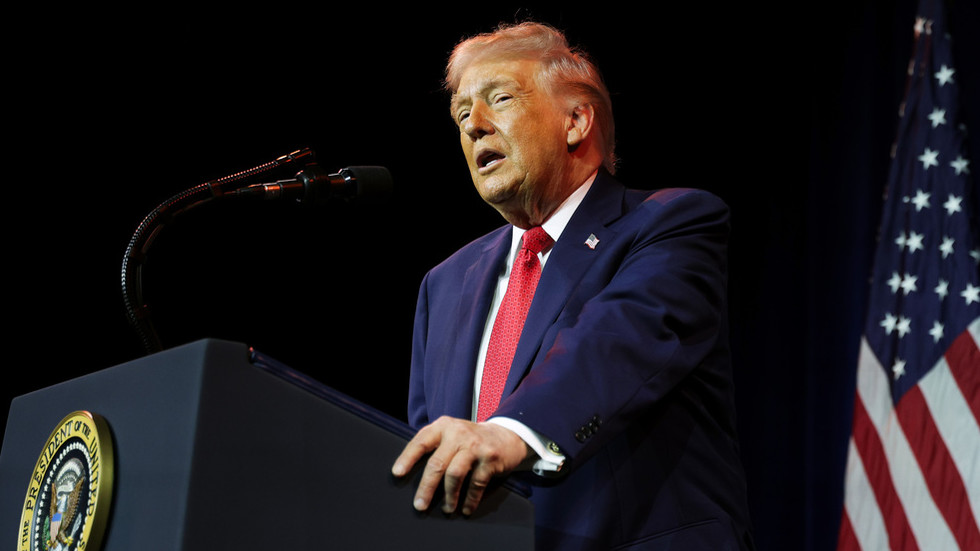
Trump's Call for Nationalization of Voting
Former President Donald Trump has recently reignited the debate surrounding voting regulations within the United States. By advocating for the "nationalization" of voting, especially in states that permit illegal immigrants to participate in elections, Trump is positioning himself at the forefront of a contentious issue that could have significant implications for the Republican Party and its electoral strategy moving forward. This appeal not only seeks to unify the party around a common cause but also aims to galvanize the base ahead of upcoming elections.
Implications for State vs. Federal Voting Laws
The notion of nationalizing voting raises critical questions about the balance of power between state and federal regulations. Currently, voting laws in the U.S. are largely determined at the state level, leading to variations that reflect local political climates and demographics. Trump's proposal could lead to a push for more uniform voting standards across the country, potentially limiting the ability of states to implement their own policies regarding voter eligibility and registration. This shift could provoke significant legal challenges as states defend their rights to govern local electoral processes.
Impact on Republican Strategy
Trump's assertion resonates with a segment of the Republican electorate that views immigration as a pivotal issue. By framing the conversation around the perceived threats posed by illegal voting, the former president may be attempting to solidify his influence within the party and attract voters who prioritize immigration reform. This strategy could also serve to rally support among Republican candidates who may feel pressured to align with Trump's narrative to secure endorsements and financial backing.
Potential Economic Consequences of Voting Reforms
The economic implications of nationalizing voting could be profound, particularly as businesses and investors assess the political landscape. A shift towards stricter voting regulations may affect voter turnout, which in turn could influence the outcome of elections and the subsequent policies enacted by elected officials. If voters perceive that their rights are being curtailed or that the electoral process is being manipulated, this could lead to increased social unrest and instability in the marketplace.
Reactions from Political Opponents
Trump's proposal has already drawn criticism from various political opponents, who argue that such a move could disenfranchise lawful voters and undermine democratic principles. Critics contend that the focus on illegal immigration in the context of voting serves to distract from more pressing issues facing the electorate, including economic recovery and public health. The response from Democratic leaders and advocacy groups will likely intensify as the discussion evolves, potentially leading to a more polarized political environment.
Conclusion: A Divisive Path Forward
As the debate surrounding the nationalization of voting continues to unfold, it is clear that Trump's influence on the Republican Party remains significant. The implications of this proposal extend beyond party lines, affecting the broader political landscape and the economic environment. As stakeholders from various sectors assess the potential outcomes of such a shift, it will be essential to monitor how this narrative evolves and what it means for the future of voting rights and electoral integrity in the United States.