


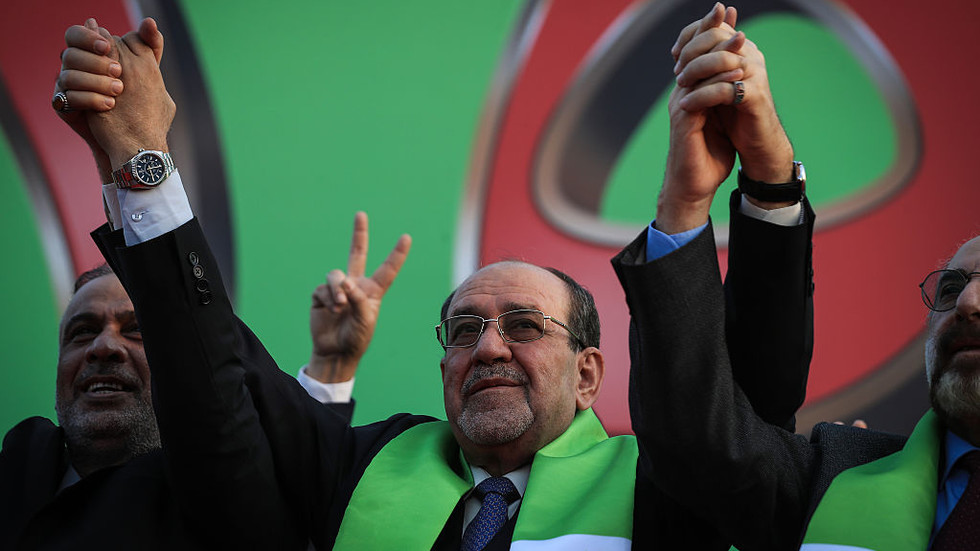
US-Iraq Relations: A Critical Juncture
The United States has issued a stark warning to Iraq, indicating that the return of former Prime Minister Nouri al-Maliki to power could jeopardize the country's oil-export revenues. This move highlights the complex interplay between U.S. foreign policy and Iraq's domestic political landscape, particularly in the context of the ongoing geopolitical tensions in the Middle East.
The Stakes of Iraqi Oil Exports
Iraq is one of the world's leading oil producers, with oil exports constituting a significant portion of its national revenue. The U.S. has historically been invested in ensuring that Iraq's governance aligns with its strategic interests in the region. The potential for sanctions or other punitive measures against Iraq's oil sector underscores the importance of stable leadership that is perceived as favorable by the U.S.
Nouri al-Maliki: A Controversial Figure
Nouri al-Maliki served as Iraq's Prime Minister from 2006 to 2014 and has been a polarizing figure in Iraqi politics. His tenure was marked by significant sectarian tensions and allegations of authoritarianism. The prospect of his return raises concerns among U.S. officials who fear that it could lead to a resurgence of instability in Iraq and a shift in the country’s alliances, particularly with Iran.
Geopolitical Implications for the Region
The U.S. warning comes at a time when Iraq is navigating a complex geopolitical landscape, with various factions vying for influence. A return of al-Maliki could signify a pivot towards Iran, further complicating the regional dynamics. The U.S. has invested heavily in the stability of Iraq as part of its broader strategy to counter Iranian influence, and any shift in governance could have far-reaching implications for U.S. interests in the Middle East.
Market Reactions and Future Projections
The oil markets are closely monitoring these developments, as any threat to Iraq's oil revenues could lead to volatility in global oil prices. Investors are wary of potential disruptions in supply, especially given the already precarious state of energy markets due to geopolitical tensions. Analysts predict that the U.S. stance may lead to increased market speculation and could affect oil prices in the short term.
The Path Forward for Iraq
As the political situation in Iraq unfolds, the U.S. will likely continue to exert pressure on Iraqi leaders to maintain a government that aligns with its strategic interests. This pressure may come in the form of economic incentives or sanctions, depending on the political developments surrounding the upcoming elections. Iraq faces a critical decision-making period that could define its economic future and its relationship with both the U.S. and regional powers.
Conclusion: A Nation at a Crossroads
The tensions between the U.S. and Iraq regarding leadership choices reflect broader themes of international influence and economic dependency. As Iraq approaches a pivotal moment in its political history, the implications of U.S. threats could resonate beyond its borders, affecting not only oil markets but also the