


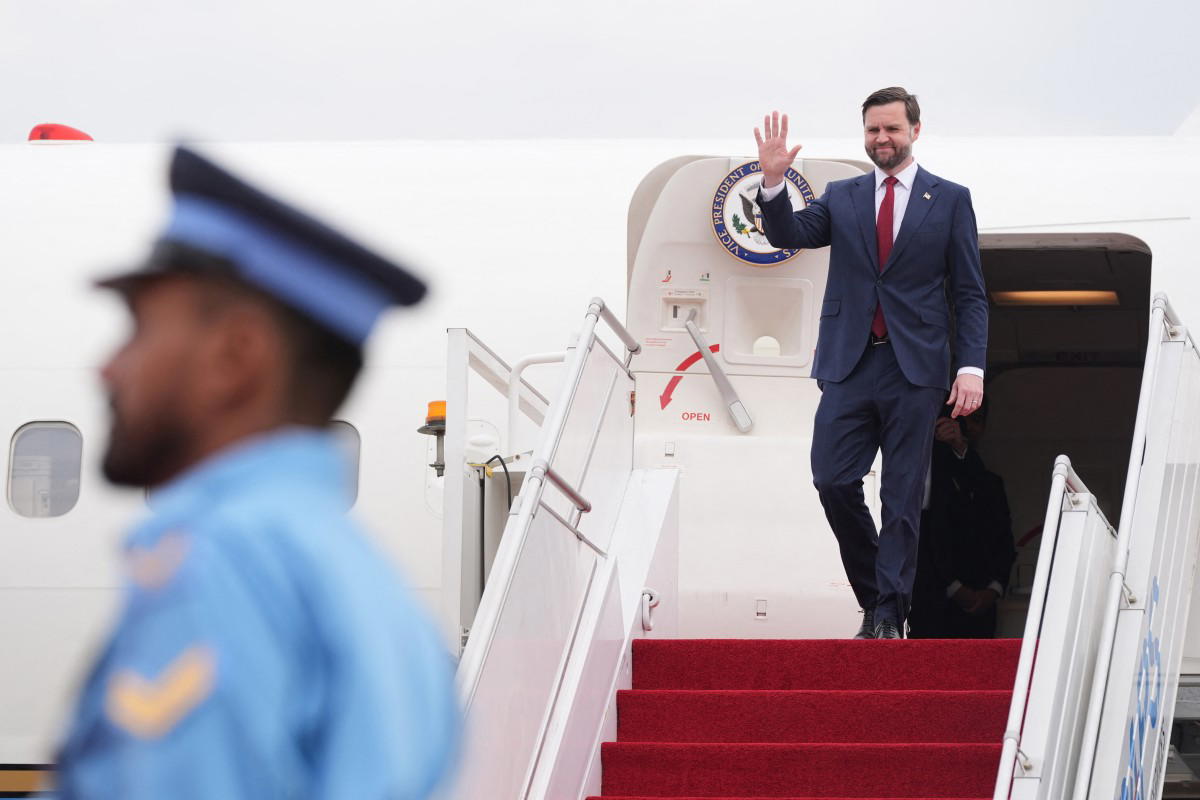
US Vice President JD Vance's Strategic Visit to Pakistan
On Saturday, US Vice President JD Vance arrived in Islamabad, marking a pivotal moment in international diplomacy amid escalating tensions in the Middle East. His visit is part of a broader strategy to address ongoing conflicts that have implications not only for the region but also for global markets and geopolitical stability. The Pakistani Prime Minister, who is hosting the discussions, characterized the talks as a "make or break" effort to establish a lasting ceasefire between Iran and its adversaries.
The Context of the Iran Talks
The backdrop for Vance's visit is a protracted period of violence that has seen significant loss of life and destabilization in the region. The conflict has drawn in various global powers, each with vested interests, complicating the dynamics further. As the situation escalates, the repercussions extend beyond the immediate geography, affecting global oil prices, trade routes, and investor sentiment. The stakes are high, and Vance's role is crucial in mediating a resolution that could reshape the landscape of Middle Eastern geopolitics.
Implications for Global Markets
The tensions in the Middle East, particularly involving Iran, have historically influenced global markets, particularly the energy sector. As one of the world's largest oil producers, fluctuations in Iranian stability can lead to significant shifts in crude oil prices. Investors are closely monitoring the outcomes of Vance's discussions, as a successful negotiation could lead to a stabilization of oil prices, fostering a more favorable environment for global economic recovery. Conversely, continued hostilities could exacerbate inflationary pressures worldwide, impacting everything from consumer goods to energy costs.
The Role of Pakistan in Regional Dynamics
Pakistan's role as a mediator in the Iran conflict is notable, given its unique position in South Asian geopolitics. The country has historically maintained a delicate balance between its relationships with Iran and its alliances with the United States. By hosting these talks, Pakistan aims to not only assert its diplomatic influence but also to secure its own national interests in a region fraught with tension. The outcome of the Vance-led discussions could enhance Pakistan's standing in international affairs, potentially attracting foreign investment and economic partnerships.
Potential Outcomes of the Diplomatic Efforts
The negotiations led by Vice President Vance are expected to focus on several key issues: the cessation of hostilities, humanitarian aid access, and long-term strategies for regional stability. A successful agreement could pave the way for an international coalition to support reconstruction efforts in conflict-affected areas, thus opening new avenues for investment and economic growth. On the other hand, failure to reach an agreement may lead to further isolation of Iran, which could have ripple effects in the global oil market and beyond.
Investor Sentiment and Market Reactions
As news of Vance's visit spread, investor sentiment began to shift. Markets reacted cautiously, with energy stocks showing volatility in anticipation of the talks' outcomes. Analysts are advising investors to remain vigilant and consider the geopolitical landscape when making decisions. The potential for a ceasefire and subsequent economic recovery could lead to a bullish market trend, while continued conflict may prompt a more bearish outlook, particularly in sectors sensitive to oil prices.
International Responses and Global Implications
The international community is closely watching the developments from Islamabad. Key global players are likely to respond based on the results of the Vance-led talks. A successful negotiation could lead to renewed diplomatic efforts across the region, fostering collaboration on issues such as trade, security, and climate change. Conversely, failure to achieve peace could harden positions among global powers, potentially leading to increased sanctions on Iran and further isolation.
Conclusion: A Critical Juncture for Diplomacy
Vice President JD Vance's visit to Pakistan for talks with Iran represents a critical juncture in the pursuit of peace in the Middle East. As the discussions unfold, the implications for global markets, regional dynamics, and international relations will become clearer. The stakes are high, and the outcomes of these negotiations could have far-reaching consequences not only for the nations directly involved but for the global economy as a whole. Investors, policymakers, and citizens alike will be watching closely as this diplomatic effort unfolds, hoping for a resolution that leads to lasting peace and stability.