


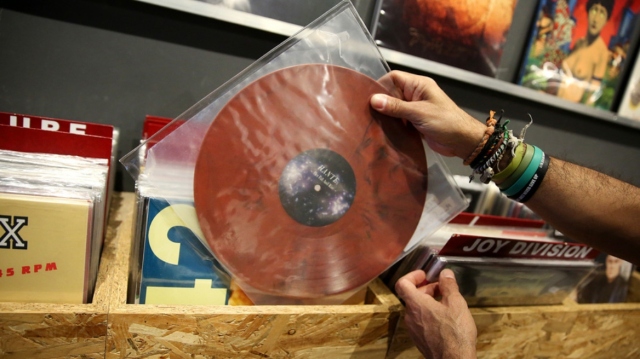
The Resurgence of Vinyl: A New Collector's Market
In recent years, vinyl records have undergone a remarkable revival, capturing the attention of a diverse range of collectors from teenagers to seniors. This resurgence is not merely a nostalgic yearning for the past; it represents a broader cultural shift towards tangible media in an increasingly digital world. Millennials and Generation Z, in particular, are leading this trend, drawn to vinyl's unique audio quality, artwork, and tactile experience.
Record Stores: A Hub for Community and Culture
The revival of vinyl has also breathed new life into independent record stores, which have emerged as cultural hubs for music enthusiasts. These establishments offer more than just a shopping experience; they provide a space for community engagement, live performances, and social interaction. As a result, many record stores are witnessing increased foot traffic and sales, creating a vibrant ecosystem that supports local musicians and artists.
Financial Implications for Retailers and Investors
For retailers, the resurgence of vinyl presents both opportunities and challenges. While traditional music sales have declined due to streaming services, vinyl has carved out a profitable niche. Retailers are adapting by diversifying their offerings, including vintage records, turntables, and accessories, which can bolster profit margins. Investors are also taking note, as the vinyl market has shown consistent growth, with sales figures indicating a robust demand that outpaces other physical media formats.
The Aesthetic Appeal of Vinyl
Beyond the auditory experience, vinyl records appeal to consumers for their aesthetic value. The large format of album artwork enables a more immersive visual experience, which is particularly appealing to younger generations that value unique and tangible items. This aesthetic connection fosters a sense of ownership and authenticity, making vinyl an attractive alternative to digital downloads and streaming services.
Impact on the Music Industry
The vinyl resurgence is reshaping the music industry as well. Artists are increasingly releasing limited-edition vinyl pressings to capitalize on this trend, creating exclusive products that can drive sales and enhance fan engagement. This shift not only benefits established artists but also provides emerging musicians with new avenues to connect with audiences and generate revenue. The growing demand for vinyl has prompted record labels to invest in vinyl production, further solidifying its place in the modern music landscape.
Challenges Ahead: Sustainability and Production
Despite its growth, the vinyl industry faces challenges, particularly concerning sustainability and production capacity. Vinyl records are produced using polyvinyl chloride (PVC), a material that raises environmental concerns. As the market expands, manufacturers must address these issues by exploring eco-friendly alternatives and improving production efficiency. Balancing the growing demand with sustainable practices will be critical for the long-term viability of the vinyl renaissance.
Conclusion: A Lasting Trend or Fading Fad?
As vinyl records continue to captivate a new generation of collectors, the question remains whether this trend is a fleeting fad or a lasting movement. The combination of aesthetic appeal, community engagement, and evolving market dynamics suggests that vinyl is more than just a