


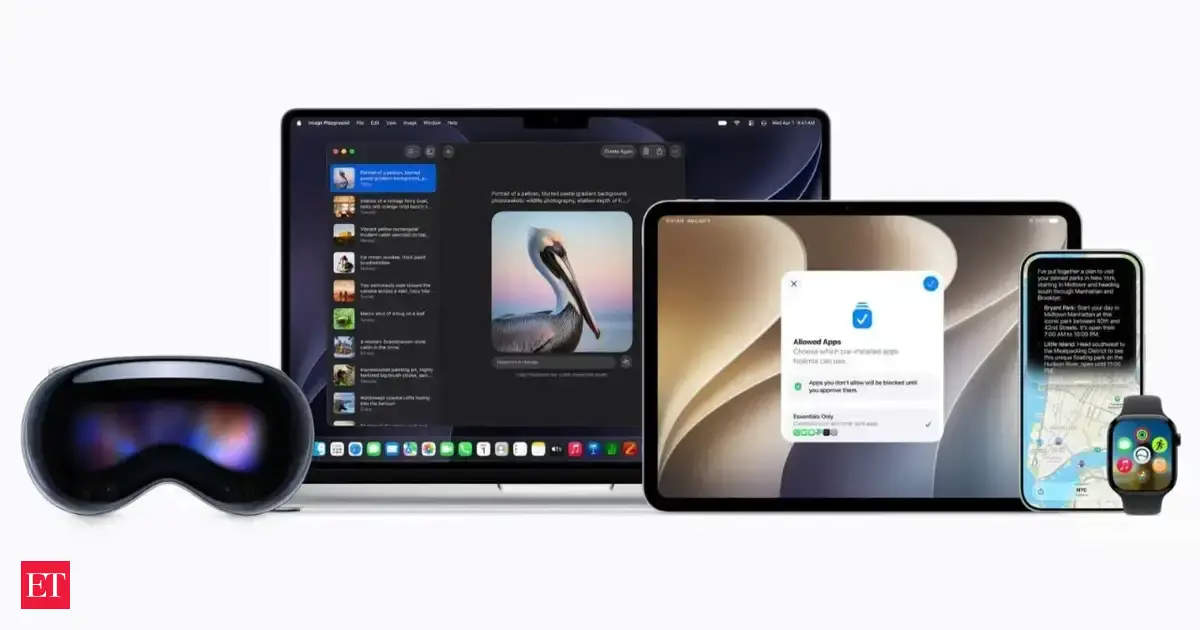
Apple's Ambitious AI Overhaul: Redefining Siri for a New Era
At the heart of Apple's announcements during WWDC 2026 was the complete redesign of Siri, the company's voice-activated digital assistant. For years, Siri has been a defining feature of Apple's ecosystem, but the latest iteration marks a significant leap in its capabilities. The new Siri is designed to understand context more intuitively than ever before, allowing it to seamlessly perform actions across various applications.
This contextual understanding means that users can interact with Siri in a more conversational manner, reducing the need for specific commands and enabling a more fluid user experience. For instance, if a user asks Siri to remind them of a meeting while checking their calendar, the assistant can now recognize the context and automatically pull relevant information without needing to specify further. This advancement not only enhances user convenience but also positions Apple to compete more aggressively in the AI space, particularly against rivals who have long dominated the market.
Apple Intelligence: A Major Upgrade for Creators and Professionals
Alongside the revamped Siri, Apple introduced significant enhancements to its broader AI platform, dubbed Apple Intelligence. This upgrade aims to empower users—ranging from casual creators to professional developers—by integrating cutting-edge AI capabilities into a variety of applications. With improved features for writing, image generation, and data analysis, Apple Intelligence is set to become a game-changer in productivity tools.
The writing assistant, for instance, now leverages advanced natural language processing to help users generate content more efficiently. Whether drafting emails, creating reports, or even penning creative stories, Apple Intelligence offers contextual suggestions that align with the user’s intended tone and style. This functionality is especially critical in a landscape where content creation is increasingly driven by digital platforms.
Moreover, image generation capabilities have also received a boost, allowing users to create high-quality visuals directly within Apple applications. This feature is particularly appealing to designers and marketers, who often require quick turnaround times for visual content. With these enhancements, Apple positions itself not just as a hardware provider but as a vital partner in the creative process.
Child Safety Tools: A Commitment to Family-Friendly Technology
Apple has long prioritized user privacy and safety, and the latest WWDC announcements reaffirm that commitment with the introduction of new child safety tools. These features aim to create a safer digital environment for younger users, addressing growing concerns about online safety in an increasingly connected world.
The new tools include enhanced parental controls that allow caregivers to monitor and manage their children's device usage more effectively. Parents can now set limits on screen time, restrict access to certain apps, and receive reports on usage patterns. This level of oversight is crucial in helping families navigate the complexities of technology while fostering healthy digital habits.
Additionally, Apple is introducing features designed to detect and prevent harmful content exposure. Utilizing advanced machine learning algorithms, these tools aim to identify inappropriate content in real-time, providing alerts to parents and caregivers. By taking proactive steps to safeguard children online, Apple not only enhances its brand image but also aligns itself with the growing demand for responsible technology in the marketplace.
Market Implications: Apple's Strategic Positioning in AI and Safety
The announcements made at WWDC 2026 reflect Apple's strategic positioning in the rapidly evolving technology landscape. By focusing on AI advancements and child safety, Apple demonstrates its commitment to innovation while addressing critical societal concerns. This dual approach not only enhances user engagement but also solidifies Apple's reputation as a leader in responsible technology.
Investors are likely to view these developments favorably, as the integration of advanced AI capabilities could lead to increased user retention and engagement across Apple's ecosystem. The potential for higher subscription revenues from services like Apple Music, iCloud, and Apple TV+ could be significant, especially as users find more value in the interconnectedness of Apple's offerings.
Moreover, as competitors ramp up their own AI initiatives, Apple's proactive stance on child safety could provide a competitive edge. In a market where consumers are becoming increasingly aware of privacy and safety issues, Apple's commitment to these values may resonate strongly with parents and guardians, further enhancing brand loyalty.
Looking Ahead: Future Innovations and Market Trends
As Apple continues to innovate, the implications of the announcements made at WWDC 2026 extend beyond immediate product enhancements. The company's focus on AI and child safety suggests a broader trend towards integrating ethical considerations into technology development. This could influence not only consumer preferences but also regulatory scrutiny in the tech industry.
Investors and analysts will be closely monitoring how these advancements translate into market performance in the coming quarters. Apple's ability to leverage its AI capabilities to enhance user experience, while simultaneously prioritizing safety, may set a new standard in the industry. Furthermore, as other tech giants respond to these changes, the competitive landscape is likely to evolve, with implications for market share and innovation trajectories.
In conclusion, WWDC 2026 has positioned Apple at the forefront of the AI revolution while reinforcing its commitment to user safety and privacy. As the company continues to roll out these features, the financial ramifications will be closely watched, with potential impacts on stock performance and overall market dynamics. With a clear vision for the future, Apple is not only reshaping its product offerings but also influencing the broader tech landscape.