


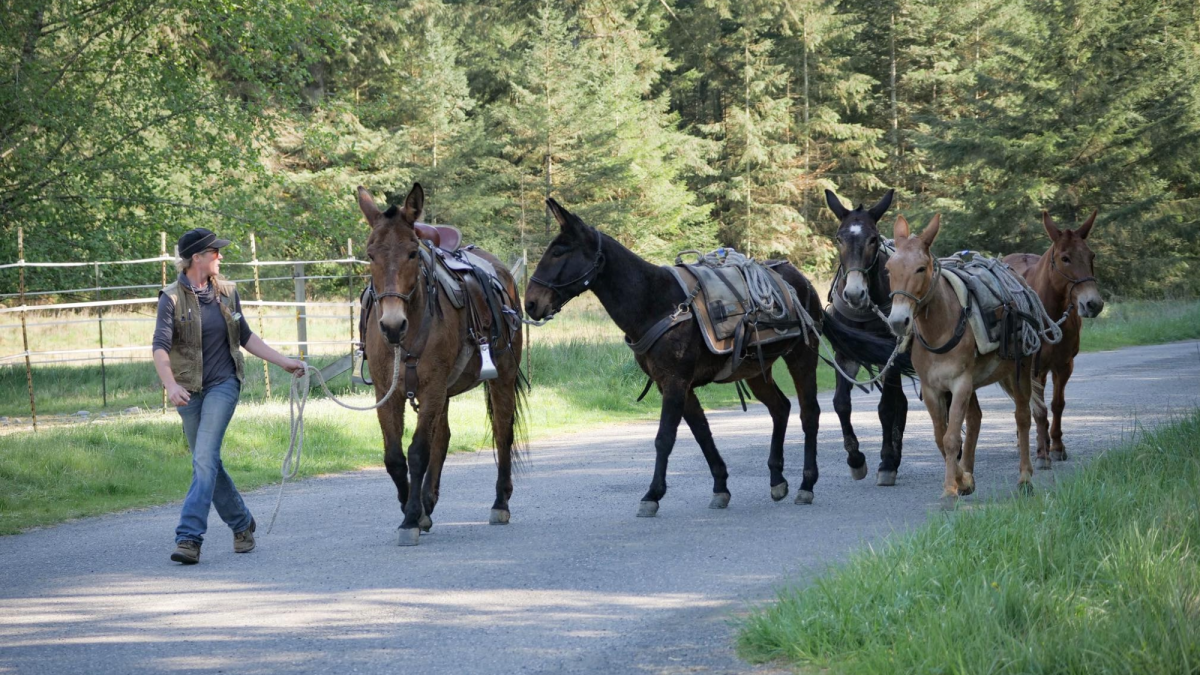
Introduction to Olympic National Park's New Patrol Mules
In a strategic enhancement of its park management and conservation efforts, Olympic National Park has introduced five new mules—Murl, Cutti, Pip, Checkers, and Gopher—into its operational framework. These animals are set to play a pivotal role in monitoring the expansive trails, transporting essential supplies, and assisting in search and rescue missions across the park's diverse and rugged terrains. This initiative not only underscores the park's commitment to preserving its natural beauty but also highlights the growing trend of utilizing animals in conservation efforts.
The Role of Mules in Park Management
Mules have long been recognized for their utility in challenging environments, particularly in mountainous regions where traditional vehicles may falter. Their sure-footedness and strength make them ideal companions for park rangers tasked with navigating the park's often steep and uneven trails. The introduction of Murl, Cutti, Pip, Checkers, and Gopher is expected to significantly enhance the efficiency of patrolling activities, allowing for more comprehensive monitoring of the park's ecosystems.
In addition to trail monitoring, these mules will assist in logistical operations, transporting supplies necessary for park maintenance and visitor services. This includes carrying tools, food, and equipment needed for trail repairs, educational programs, and maintenance of visitor facilities. By employing mules, the park can reduce its reliance on mechanized transport, aligning with sustainable practices that minimize environmental impact.
Search and Rescue Operations Enhanced by Animal Power
The rugged terrains of Olympic National Park can pose significant challenges for search and rescue operations, especially during peak visitation seasons. The integration of Murl, Cutti, Pip, Checkers, and Gopher into these efforts is anticipated to improve response times and operational effectiveness. Mules are well-suited for carrying gear and personnel into remote areas where quick access is essential for the safety of lost or injured hikers.
Park officials emphasize that the presence of these mules will not only expedite rescue missions but also provide a level of comfort and assurance to rangers and volunteers involved in such critical operations. The mules’ ability to navigate tough landscapes makes them invaluable assets in scenarios where human capabilities may be limited.
Financial Implications of Animal Integration
The introduction of these mules represents a strategic investment in the park's operational capabilities. While the initial costs associated with acquiring and training the animals are significant, the long-term financial benefits could outweigh these expenditures. By reducing the need for costly mechanized transport and the associated maintenance expenses, the park can allocate resources more effectively. The mules' contributions to search and rescue and trail maintenance can potentially reduce liability costs associated with visitor injuries and accidents.
Moreover, this initiative may attract additional funding and support from conservation groups and enthusiasts who appreciate the commitment to sustainable practices. As public interest in eco-friendly solutions grows, parks that adopt such measures may find themselves receiving increased donations and sponsorships, further bolstering their financial outlook.
The Broader Context of Sustainable Practices in National Parks
The addition of mules to Olympic National Park’s operations is a reflection of a broader trend among national parks to incorporate sustainable practices into their management strategies. As environmental concerns continue to rise, parks across the country are exploring innovative solutions that balance visitor access with conservation efforts. This shift is crucial, as national parks face increasing pressures from tourism, climate change, and habitat preservation challenges.
Utilizing animals like mules not only aligns with these sustainable practices but also resonates with visitors who value authentic experiences in nature. The presence of these animals can enhance the visitor experience by providing opportunities for education about the park's ecosystems and the traditional roles animals have played in land management.
Community Engagement and Visitor Experience
The introduction of Murl, Cutti, Pip, Checkers, and Gopher is expected to foster greater community engagement within and beyond the park's boundaries. Educational programs that highlight the role of these mules in park management and conservation efforts can enhance visitor knowledge and appreciation for the park's natural resources. This initiative could lead to increased participation in volunteer programs, where visitors can learn firsthand about the importance of sustainable practices and contribute to the park's upkeep.
Moreover, the visibility of these mules in the park may enhance visitor experiences, providing unique opportunities for interaction and connection with the natural world. As tourists seek more immersive and meaningful experiences, the presence of these animals could become a draw, potentially boosting local tourism and related economic activities.
The Future of Animal-Assisted Conservation
The deployment of Murl, Cutti, Pip, Checkers, and Gopher marks a significant step forward in the evolution of animal-assisted conservation within national parks. As park management continues to adapt to changing environmental and social landscapes, the integration of mules and other working animals may become increasingly common. This model not only supports operational efficiency but also emphasizes a holistic approach to conservation that honors traditional practices.
Looking ahead, it will be essential for park officials to monitor the effectiveness of this initiative and make necessary adjustments. Data on the mules’ performance in various roles—trail monitoring, supply transport, and search and rescue—will provide valuable insights into the benefits and challenges of integrating animals into park operations.
Conclusion: A New Chapter for Olympic National Park
The arrival of Murl, Cutti, Pip, Checkers, and Gopher signals a new chapter in the operational strategy of Olympic National Park. By embracing the unique capabilities of these mules, the park is poised to enhance its management practices while promoting sustainable and eco-friendly solutions. As the park continues to adapt to the evolving needs of visitors and the environment, the successful integration of these animals may serve as a model for other national parks seeking innovative ways to balance conservation with public engagement.