


The Evolution of Smart Glasses: A Brief Overview
Smart glasses have long been viewed as the next frontier in wearable technology, yet their journey has been fraught with challenges. Since their inception, various manufacturers have attempted to introduce smart glasses into the mainstream. However, the majority of these efforts have been met with skepticism and failure, primarily due to the overwhelming focus on integrating cameras and recording capabilities. The public's wariness of privacy invasion and the cumbersome design of many models contributed to their underwhelming adoption rates.
In contrast, a new wave of camera-free smart glasses has emerged, capturing both consumer interest and market share. By shifting the focus away from invasive technology and towards user experience and functionality, these products are redefining the smart glasses landscape.
1. Enhanced User Experience Without Privacy Concerns
One of the key factors behind the success of camera-free smart glasses is the elimination of privacy-related anxieties. Traditional smart glasses equipped with cameras often faced backlash from consumers concerned about being filmed without consent. The camera-free approach alleviates these concerns, allowing users to wear the glasses without the fear of infringing on the privacy of those around them. This shift has opened doors for broader acceptance, particularly among consumers who value discretion in their technology.
2. Focus on Augmented Reality and Information Display
Camera-free smart glasses have pivoted towards augmented reality (AR) and information display, which enhances the user experience without the need for invasive recording features. By integrating technologies such as heads-up displays (HUDs), these glasses provide real-time information, navigation, and notifications directly in the user's line of sight. This functionality caters to professionals in various fields, including logistics, healthcare, and education, creating a more productive environment while minimizing distractions.
3. Lightweight Design and Comfort
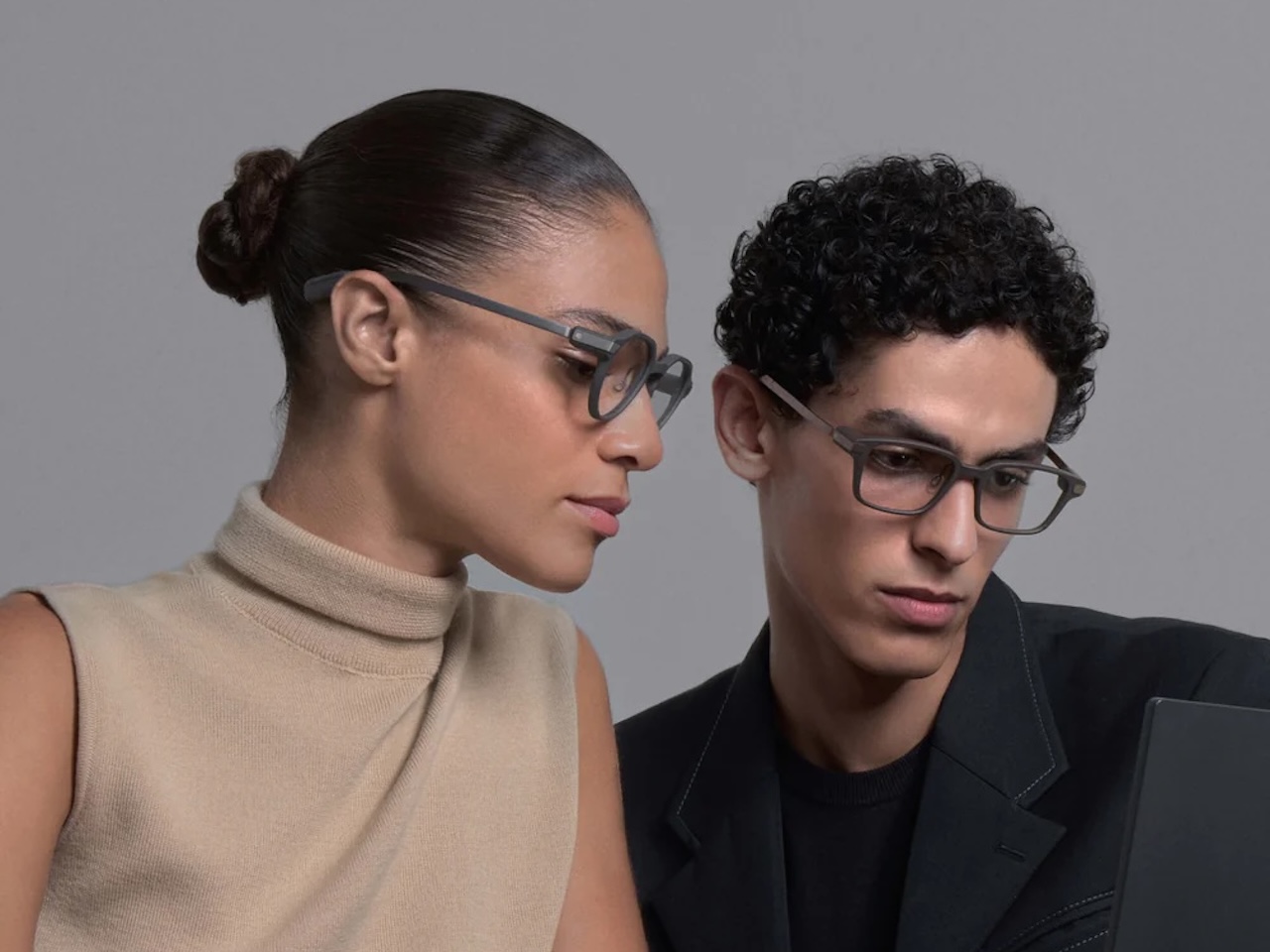
Another reason for the growing popularity of camera-free smart glasses is their emphasis on design and comfort. Many traditional smart glasses have been criticized for their bulkiness and awkward aesthetics, which deterred potential users. In contrast, newer models focus on lightweight materials and sleek designs that resemble conventional eyewear. This thoughtful approach to design not only enhances comfort for extended wear but also encourages individuals to incorporate smart glasses into their daily lives seamlessly.
4. Affordability and Accessibility
The price point of smart glasses has historically been a barrier to widespread adoption. Camera-free models often come at a more accessible price compared to their camera-equipped counterparts, making them an attractive option for budget-conscious consumers. This affordability allows for greater experimentation and adoption among a wider demographic, expanding the potential user base and driving sales growth.
5. Integration with Existing Technology Ecosystems
Camera-free smart glasses have successfully integrated with existing technology ecosystems, enhancing their functionality and appeal. By leveraging Bluetooth and other wireless technologies, these devices can seamlessly connect with smartphones, tablets, and smart home systems. This interoperability allows users to control various applications and receive notifications without needing to interact with multiple devices, streamlining the user experience and promoting a more connected lifestyle.
6. Targeted Marketing and Niche Applications
The success of camera-free smart glasses can also be attributed to targeted marketing strategies that focus on specific niches. Instead of trying to appeal to the mass market, manufacturers have identified key segments such as fitness enthusiasts, professionals in technical fields, and those in creative industries. By tailoring features and marketing messages to these groups, companies can create products that resonate with their target audience, increasing the likelihood of adoption and long-term loyalty.
7. Positive Reception from Influencers and Early Adopters
The role of influencers and early adopters cannot be underestimated in the rise of camera-free smart glasses. As these products gain traction among tech enthusiasts and trendsetters, their positive experiences and endorsements can significantly impact public perception. By showcasing the practicality and style of camera-free smart glasses on social media platforms, influencers have contributed to the normalization of the technology, further encouraging mainstream adoption.
Market Trends and Future Outlook
The success of camera-free smart glasses has sparked interest in the broader market, with various companies investing in research and development to create innovative solutions. As competition increases, manufacturers are focusing on enhancing features such as battery life, display quality, and user interface, aiming to push the boundaries of what smart glasses can achieve without compromising on privacy or user experience.
Looking ahead, the potential for camera-free smart glasses appears promising. As consumers become more accustomed to wearable technology and increasingly seek devices that enhance their daily lives, the demand for functional and stylish smart glasses is likely to grow. Furthermore, as advancements in AR technology continue to evolve, camera-free models may become integral to various industries, driving further innovation and investment.
Conclusion: A New Era for Smart Glasses
In conclusion, the rise of camera-free smart glasses represents a significant turning point in the wearable technology landscape. By prioritizing user experience, comfort, and privacy, these products have successfully carved out a niche in a market that was previously dominated by camera-equipped devices. As manufacturers continue to innovate and adapt to consumer preferences, the future of smart glasses looks increasingly bright, paving the way for a new era of wearable technology that aligns with modern-day values and lifestyles.