


Understanding the Political Landscape: Migration Policy and Electoral Dynamics
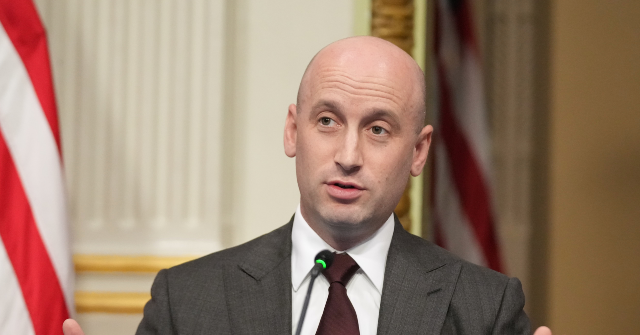
In the wake of recent electoral developments in New York, political commentator Stephen Miller has drawn attention to the impact of migration policy on the outcomes of local elections. His assertion that "Democrats imported a new electorate" has sparked discussions about how demographic changes can alter political landscapes and influence congressional representation. With the electoral success of Zohran Mamdani, a progressive candidate who emerged victorious in a competitive environment, the intersection of migration policy and electoral strategy is more relevant than ever.
The Rise of Zohran Mamdani: A Case Study in Progressive Politics
Zohran Mamdani's recent electoral victory serves as a compelling case study in the shifting dynamics of New York's political scene. His campaign, characterized by a strong progressive platform, resonated with a diverse electorate that reflects the city's demographic changes. Mamdani's success is emblematic of a broader trend in which younger, more diverse voters are increasingly shaping the outcomes of elections, particularly in urban areas.
Mamdani's platform included a focus on affordable housing, climate action, and social justice, appealing to a base that has felt the effects of both economic disparity and systemic inequities. His ability to mobilize these voters has raised questions about the role of migration policy in facilitating such demographic shifts and whether these changes are redefining traditional voting patterns.
Migration Policy and Its Implications for Electoral Outcomes
Migration policy has become a contentious issue in American politics, with varying interpretations of its implications for electoral outcomes. Miller's comments suggest a belief that increased migration has led to the emergence of a new electorate that may not align with traditional voting patterns. This perspective raises critical questions about how migration policies can influence political representation and the distribution of power within Congress.
As cities like New York become melting pots of cultures and ideas, the electorate becomes increasingly diverse. This diversity can lead to shifts in political priorities, with new voters often advocating for policies that reflect their unique experiences and needs. The challenge for established political parties is to adapt to these changes and effectively engage with a broader range of constituents.
The Role of Demographics in Shaping Political Strategies
Demographic shifts are not merely a backdrop to electoral contests; they are central to the strategies employed by political candidates. Candidates like Mamdani who embrace progressive ideals have found success by appealing to an electorate that values inclusivity and social equity. The challenge for opponents, particularly those aligned with more traditional political platforms, is to understand and respond to these evolving voter preferences.
In this context, migration policy emerges as a crucial factor. As more individuals from diverse backgrounds settle in urban centers, their political engagement can lead to significant changes in local and national politics. This engagement is often fueled by issues that resonate with immigrant communities, such as labor rights, education access, and healthcare reform.
Potential Consequences for Congressional Representation
The implications of Miller's assertions extend beyond individual elections; they may influence broader congressional representation. If migration continues to reshape the electorate, particularly in key districts, the balance of power in Congress could shift in favor of candidates who align with progressive values. This potential shift raises important questions about the future of bipartisan cooperation and the ability of traditional parties to maintain their influence.
As progressive candidates like Mamdani gain prominence, established political factions may need to reevaluate their platforms and strategies. Failure to adapt to the changing electorate could result in electoral losses and a diminished voice in legislative processes. Conversely, embracing the needs and perspectives of a diverse electorate could lead to more representative governance.
Economic Implications of Changing Political Landscapes
The intersection of migration policy, electoral outcomes, and economic implications cannot be overlooked. Political decisions stemming from newly elected representatives can significantly impact economic policies, particularly those affecting urban centers. For instance, progressive policies championed by candidates like Mamdani may prioritize affordable housing, investments in green technology, and equitable economic development.
These initiatives could foster economic growth by addressing systemic inequalities and promoting sustainable practices. However, the challenge lies in balancing these progressive goals with the interests of established businesses and industries that may resist change. As new policies are implemented, the economic landscape may undergo significant transformations, impacting everything from job creation to housing markets.
The Broader National Dialogue: Migration, Politics, and the Future
The discussions surrounding migration policy and its effects on electoral outcomes are not confined to New York. As national debates intensify regarding immigration reform and border security, the implications for political representation and economic policy will likely reverberate across the country. The electoral success of candidates like Mamdani may serve as a bellwether for broader trends in American politics, signaling a shift toward more progressive platforms that prioritize inclusivity and social equity.
As the nation grapples with these complex issues, the dialogue surrounding migration and its impact on politics will remain a focal point. Understanding the interplay between demographic changes, electoral strategies, and economic implications will be crucial for both political leaders and constituents seeking to navigate this evolving landscape.
Conclusion: Navigating the New Political Reality
The electoral sweep of Zohran Mamdani in New York highlights the profound impact of migration policy on the political landscape. As new electorates emerge and challenge traditional political norms, the need for adaptive strategies becomes increasingly apparent. Political figures like Stephen Miller may attribute electoral outcomes to migration policies, but the broader implications extend beyond individual elections.
As the electorate continues to evolve, the potential for significant shifts in congressional representation and economic policy remains a pressing concern. Engaging with diverse communities and understanding their needs will be essential for political parties aiming to remain relevant in an ever-changing political environment. The future of American politics may very well depend on how well established parties can navigate this new reality, balancing the interests of traditional constituents with the demands of a more diverse electorate.