


Introduction to the Seizure and Its Implications
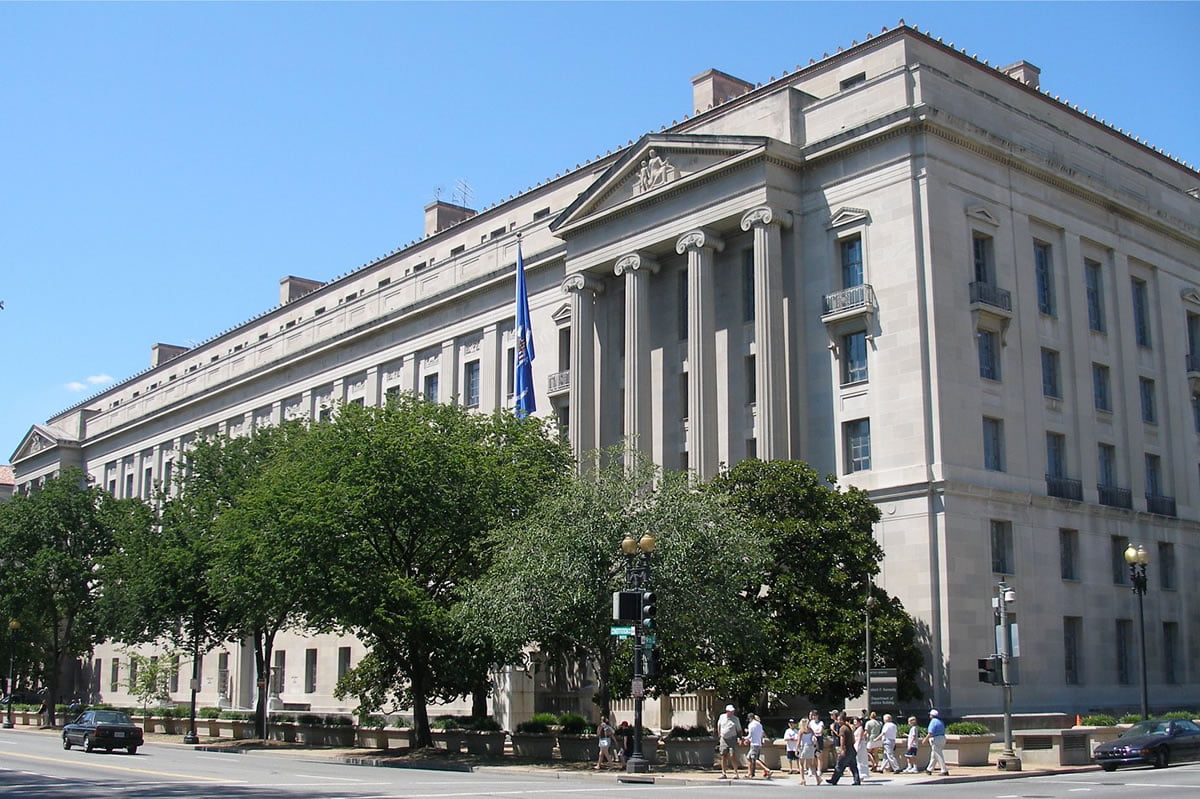
In a significant move that underscores the U.S. government's intensified efforts to combat financial crimes in the cryptocurrency sector, the Department of Justice (DOJ) has announced the seizure of Huione Cloud's backend cloud infrastructure. This action is part of a broader crackdown on money laundering activities associated with various crypto scams that have proliferated in recent years. The seizure highlights the regulatory challenges and the ongoing battle between law enforcement agencies and the rapidly evolving world of digital assets.
Understanding the Role of Huione Cloud
Huione Cloud has emerged as a pivotal player in the cryptocurrency landscape, providing essential cloud services to numerous crypto exchanges and platforms. By offering robust infrastructure, Huione Cloud facilitated transactions and data management for clients operating in a space often plagued by anonymity and lack of regulation. The DOJ's decision to seize this infrastructure not only disrupts Huione's operations but also sends a clear message to other service providers about the risks associated with enabling potentially illicit activities.
The Rise of Cryptocurrency Scams
As cryptocurrencies gained popularity, so too did the incidence of scams and fraudulent schemes. From Ponzi schemes to phishing attacks, the digital asset space has seen an explosion of illicit activities. The anonymity and decentralization that cryptocurrencies offer have made them attractive to criminals seeking to launder money and evade regulatory oversight. The DOJ's action against Huione Cloud is part of a concerted effort to dismantle the infrastructure that supports these scams and restore integrity to the market.
Legal Framework Surrounding Cryptocurrency Regulation
The regulatory landscape for cryptocurrencies remains complex and often ambiguous. While some jurisdictions have established clear guidelines, others lag behind, creating a patchwork of laws that can be challenging to navigate. The DOJ's seizure of Huione Cloud is grounded in existing anti-money laundering (AML) laws, which require financial institutions and service providers to implement robust measures to detect and prevent illicit activities. This legal framework is essential for maintaining the legitimacy of the financial system and protecting consumers from fraud.
Impact on the Cryptocurrency Market
The seizure of Huione Cloud's infrastructure is likely to have far-reaching implications for the cryptocurrency market. For one, it raises concerns among investors and service providers about the potential for increased regulatory scrutiny. As authorities ramp up their enforcement efforts, companies operating in the crypto space may face heightened compliance requirements, leading to operational challenges and potential disruptions. Additionally, the incident may deter new entrants from entering the market, fearing similar actions from regulators.
Investor Reactions and Market Sentiment
In the wake of the DOJ's announcement, investor sentiment has been mixed. While some market participants view the seizure as a necessary step toward legitimizing the cryptocurrency sector, others express concern about the potential for overreach by regulators. Volatility in cryptocurrency prices is expected as traders react to news and adjust their positions based on perceived risks. The long-term impact on market dynamics will depend on how effectively regulators can balance enforcement with fostering innovation.
Challenges for Service Providers in the Crypto Space
The Huione Cloud seizure presents a cautionary tale for other service providers in the cryptocurrency ecosystem. Many companies are now reevaluating their compliance protocols and risk management strategies to ensure they do not inadvertently facilitate illegal activities. This heightened vigilance may lead to increased operational costs and necessitate investments in advanced technology to monitor transactions and maintain compliance with AML regulations.
The Role of Law Enforcement in Cryptocurrency Oversight
The DOJ's proactive stance in seizing Huione Cloud's infrastructure reflects a broader trend among law enforcement agencies to adapt to the challenges posed by digital currencies. As criminals continue to exploit the anonymity of cryptocurrencies, agencies are employing sophisticated tools and techniques to trace transactions and identify illicit activities. The collaboration between federal, state, and international authorities is critical in effectively addressing the global nature of cryptocurrency crime.
Future of Cryptocurrency Regulation
As the cryptocurrency market continues to evolve, the regulatory landscape is likely to undergo significant changes. The DOJ's actions may serve as a catalyst for more comprehensive regulations aimed at curbing financial crimes while promoting innovation. Policymakers are increasingly recognizing the need for a balanced approach that protects consumers and investors without stifling the growth of the digital asset sector. This ongoing dialogue between regulators, industry stakeholders, and law enforcement will shape the future of cryptocurrency regulation.
Conclusion: The Road Ahead for Cryptocurrency
The seizure of Huione Cloud's backend infrastructure marks a pivotal moment in the ongoing battle against money laundering and fraud in the cryptocurrency space. As the DOJ takes decisive action against those enabling illicit activities, the industry must adapt to a new regulatory environment characterized by increased scrutiny and compliance requirements. For investors, service providers, and regulators alike, the challenge will be to navigate this evolving landscape while fostering an environment that encourages innovation and protects the integrity of the financial system.