


Introduction: The Rising Tide of Cyber Scams
As the digital age continues to evolve, so too does the complexity and frequency of cyber scams targeting unsuspecting individuals. Recent trends indicate a worrying surge in losses attributed to these scams, prompting a response from Congress. A powerful congressional committee is now urging major telecommunications companies to take more robust measures to protect consumers from these threats. The call for action highlights the pressing need for collaboration between lawmakers and industry leaders to combat the rising tide of cybercrime.
The Financial Impact of Cyber Scams
Cyber scams have been wreaking havoc on American consumers, with estimates suggesting that losses have reached alarming levels. The Federal Trade Commission (FTC) has reported a significant uptick in complaints related to fraud, with victims losing billions of dollars annually. These scams often take various forms, including phishing schemes, robocalls, and identity theft, which can devastate individuals and families alike.
As the financial implications of these scams become clearer, the urgency for action intensifies. The losses not only affect individual victims but also ripple through the economy, leading to increased insurance premiums, higher security costs for businesses, and a general decrease in consumer trust. Consequently, the financial ramifications extend beyond immediate losses, threatening the stability of the broader financial ecosystem.
Congressional Action: A Call for Accountability
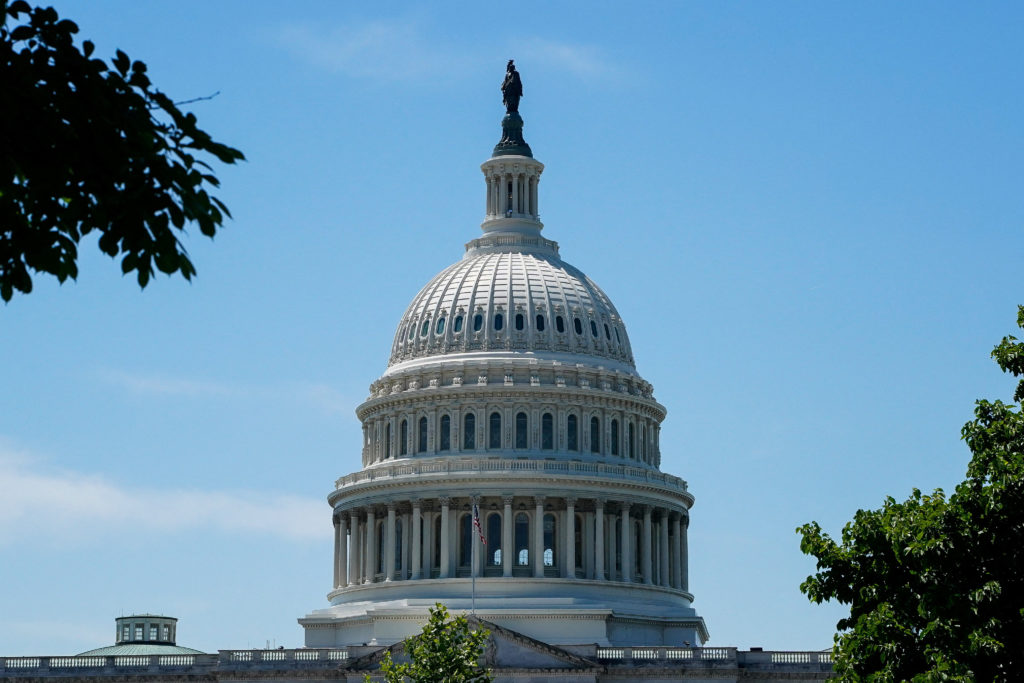
In response to the escalating crisis, Congress has taken a proactive stance, with a powerful committee now scrutinizing the role of telecommunications companies in facilitating these scams. Lawmakers are pressing for greater accountability, urging telecom giants to implement stronger safeguards that can help prevent scams from reaching consumers in the first place.
This congressional inquiry seeks to address a critical gap in the current regulatory framework, where telecom companies have been criticized for not doing enough to combat the rise of fraudulent activities. The focus is on enhancing existing technologies and adopting innovative solutions to identify and block scam calls and messages before they reach their targets. The committee's actions represent a significant shift in the legislative approach to consumer protection in the digital age.
Telecommunications Companies: The Role and Responsibility
Telecommunications companies occupy a pivotal position in the fight against cyber scams. As the primary conduits for communication, they have a unique responsibility to protect their customers from fraudulent activities. However, the challenge lies in balancing the need for consumer protection with the complexities of privacy, compliance, and operational efficiency.
Many telecom companies have already begun to implement measures to combat scams, such as call-blocking technologies and enhanced customer education initiatives. However, critics argue that these efforts are insufficient and often reactive rather than proactive. The congressional committee's scrutiny seeks to push these companies towards implementing more comprehensive and effective strategies that can adapt to the evolving landscape of cybercrime.
Technological Innovations: A Path Forward
To effectively combat the rising tide of scams, telecommunications companies must leverage technological innovations. Advancements in artificial intelligence, machine learning, and big data analytics can play a crucial role in identifying and mitigating scams before they reach consumers. By utilizing these technologies, telecom companies can enhance their ability to detect fraudulent patterns and block suspicious communications.
Moreover, collaboration between telecom companies, cybersecurity firms, and regulatory bodies can lead to the development of industry-wide standards and best practices. Such partnerships can facilitate the sharing of information and resources, ultimately leading to more effective strategies for combating scams. As the Congressional committee pushes for action, the potential for innovation in the telecommunications sector becomes increasingly apparent.
Consumer Awareness: Empowering Individuals
While legislative and technological efforts are essential in the fight against scams, consumer awareness remains a critical component of prevention. Educating the public about the tactics employed by scammers and the signs of fraudulent activity can empower individuals to protect themselves. The congressional inquiry emphasizes the importance of consumer education as telecom companies are urged to take a more active role in disseminating information to their customers.
Efforts to raise awareness can include public service campaigns, informative resources on company websites, and community outreach programs. By equipping individuals with knowledge about potential scams, telecommunications companies can play a vital role in reducing the number of victims and, consequently, the financial losses associated with these crimes.
The Economic Implications of Inaction
The economic consequences of inaction in the face of rising cyber scams could be profound. As losses mount, consumer confidence in the telecom industry and the broader financial system may erode. This decline in trust could lead to decreased spending, slower economic growth, and increased regulatory scrutiny, further complicating the landscape for telecommunications companies.
Moreover, as scammers continue to evolve their tactics, the potential for more sophisticated and damaging attacks increases. Without proactive measures, the telecom industry risks becoming a facilitator of fraud rather than a protector of consumers. The economic stakes are high, and the need for decisive action has never been more critical.
Looking Ahead: The Future of Telecom and Cybersecurity
As Congress pushes for greater accountability and action from telecommunications companies, the future of consumer protection in the digital age hangs in the balance. The ongoing investigation serves as a wake-up call for the industry, highlighting the need for a paradigm shift in how telecom companies approach cybersecurity and consumer protection.
Moving forward, the collaboration between lawmakers, telecom companies, and cybersecurity experts will be essential in developing comprehensive strategies to combat cyber scams. By embracing innovation, enhancing consumer awareness, and prioritizing accountability, the telecommunications industry can take significant strides toward safeguarding Americans from the growing threat of scams.
Conclusion: A Call to Action
The surge in cyber scams presents a complex challenge that requires a multifaceted response from all stakeholders involved. Congress's call for telecommunications companies to do more to protect consumers is a crucial step in addressing this pressing issue. As losses continue to rise, the need for effective measures becomes increasingly urgent.
Ultimately, the responsibility lies with both the telecom industry and lawmakers to work together in developing solutions that not only protect consumers but also restore trust in the digital landscape. As this dialogue unfolds, the hope is that a more secure and resilient future can be established for all Americans in the face of