


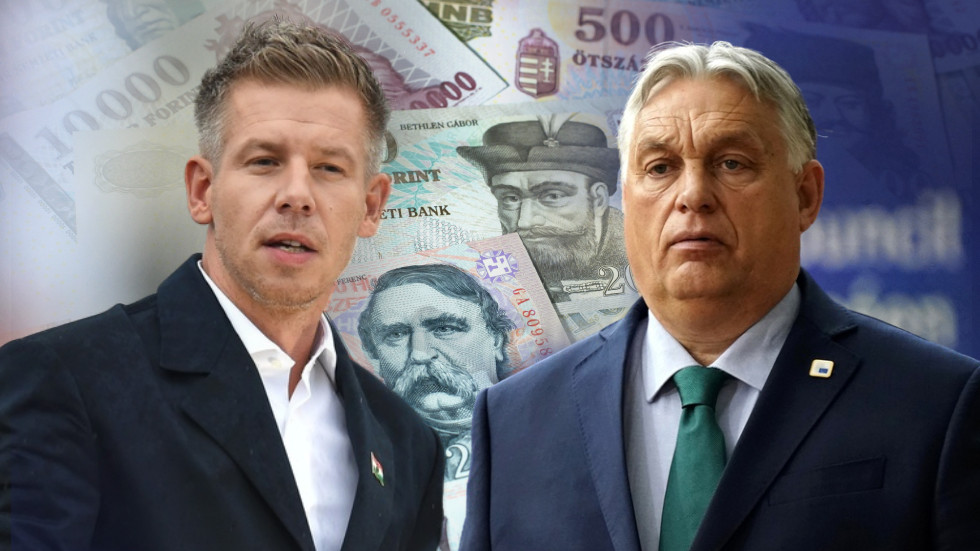
Overview of Hungary's Economic Landscape
Hungary's economy has undergone significant changes under Prime Minister Viktor Orbán's leadership, often referred to as "Orbanomics." This economic model has been characterized by a mix of state intervention, nationalistic policies, and a focus on attracting foreign investment. While supporters argue that this approach has led to economic growth and increased employment, critics contend that it has exacerbated inequality and created vulnerabilities within the economy. As the political landscape shifts, particularly with the rise of opposition leader Peter Magyar, questions arise about the sustainability of Orbanomics and the potential need for economic reform.
Peter Magyar's Vision for Economic Reform
Peter Magyar, a prominent figure in Hungary's opposition, has outlined an ambitious agenda aimed at overhauling the current economic framework. He advocates for a more inclusive economic model that prioritizes social equity and sustainable growth. Magyar's proposed reforms include measures to address income inequality, improve labor conditions, and enhance public services. His focus on transparency and anti-corruption initiatives resonates with many Hungarians disillusioned by the perceived cronyism in Orbán's administration. However, implementing such reforms poses significant challenges, particularly in a political environment dominated by the ruling Fidesz party.
The Challenges of Transitioning Economic Models
Transitioning from Orbanomics to a new economic model is fraught with challenges. Magyar's proposals, while appealing to many voters, may face resistance from entrenched interests that benefit from the current system. Additionally, Hungary's economy is closely tied to the European Union, and any significant policy shifts could impact foreign investment and access to EU funds. The delicate balance between maintaining investor confidence and pursuing progressive reforms will be a critical test for Magyar's leadership if he secures victory.
The Impact of Global Economic Trends on Hungary
Hungary's economy is not insulated from global economic trends, which have intensified in recent years. Rising inflation, supply chain disruptions, and geopolitical tensions have all contributed to an uncertain economic environment. The war in Ukraine, in particular, has had significant ramifications for Hungary, affecting energy prices and agricultural exports. As Magyar seeks to implement his economic reforms, he will need to navigate these external pressures while also addressing domestic economic challenges. The interplay between global trends and local policy decisions will be crucial in shaping Hungary's economic future.
Public Sentiment and Economic Policy Preferences
The Hungarian electorate's sentiment regarding economic policy is complex and multifaceted. While Orbán's government has enjoyed popularity due to its focus on national sovereignty and economic growth, there is a growing discontent among certain segments of the population, particularly younger voters and those affected by rising living costs. Magyar's emphasis on social justice and economic equity may resonate with these groups, offering an alternative vision that challenges the status quo. However, he must also appeal to traditional Fidesz supporters who prioritize stability and economic growth, creating a delicate balancing act in his campaign.
Potential Economic Reforms Under Magyar's Leadership
If Peter Magyar successfully assumes leadership, he is expected to implement several key reforms aimed at revitalizing Hungary's economy. These may include increasing investment in education and vocational training, fostering innovation in technology and green industries, and reforming tax policies to alleviate the burden on lower and middle-income families. Furthermore, Magyar's administration could focus on improving public health and social services, ensuring that economic growth benefits a broader segment of the population. Such reforms would require careful planning and execution, as well as collaboration with various stakeholders, including business leaders and labor unions.
The Role of Foreign Investment in Hungary's Economy
Foreign investment has played a pivotal role in Hungary's economic development, particularly in the automotive and technology sectors. However, the current political climate and economic policies under Orbanomics have raised concerns among potential investors about the long-term stability of the market. Magyar's proposed reforms may aim to create a more favorable investment climate by enhancing legal protections for investors and promoting a more transparent regulatory environment. Attracting foreign capital while simultaneously addressing domestic socioeconomic issues will be a critical challenge for any new administration.
The Future of Hungary's Economic Policy
The future of Hungary's economic policy will depend significantly on the outcome of the political contest between Orbán and Magyar. Should Magyar emerge victorious, his ability to implement reforms will hinge on navigating the complexities of a divided political landscape and maintaining economic stability amidst external pressures. Additionally, he will need to build consensus among various interest groups, including businesses, labor organizations, and civil society, to ensure that his economic vision is both inclusive and sustainable.
Conclusion: A Pivotal Moment for Hungary
As Hungary stands at a crossroads, the battle for its economic future intensifies. The potential for a new economic direction under Peter Magyar presents both opportunities and challenges. The need for reform is evident, but the path forward will require careful consideration of Hungary's unique economic context and the global landscape. Whether Magyar can successfully pivot away from Orbanomics and implement a more inclusive economic model remains to be seen. However, the upcoming political developments will undoubtedly shape the future of Hungary's economy and its position within the European Union.