


Innovative Gold Extraction from E-Waste
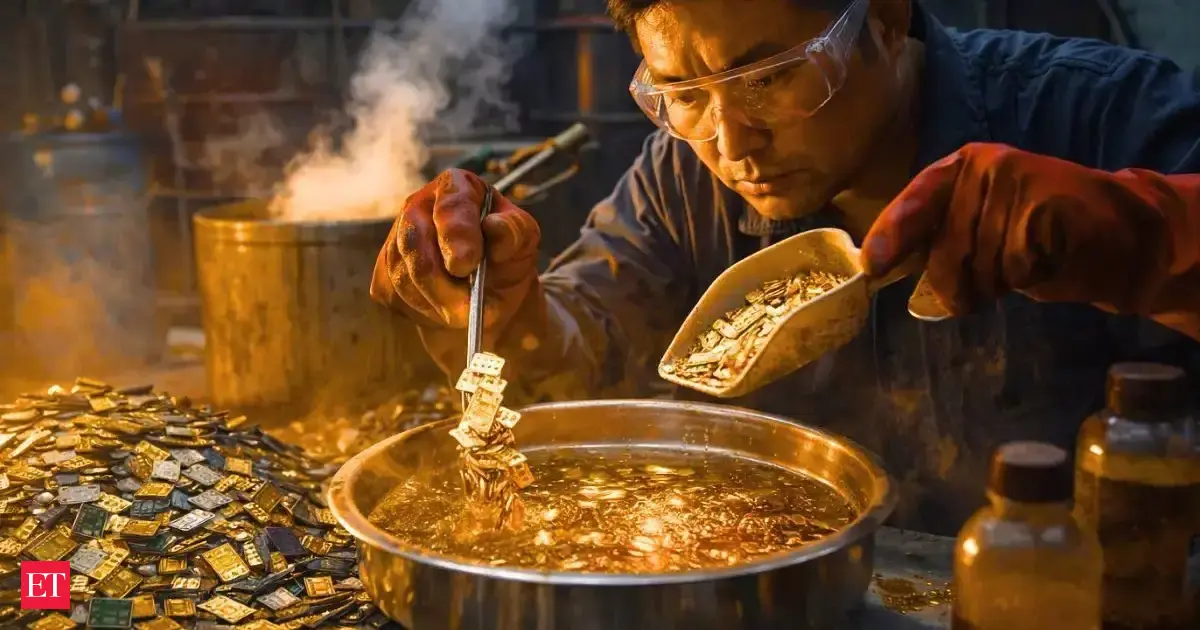
In a remarkable demonstration of resourcefulness, Qiao, a professional refiner based in Guangdong, China, has gained attention by extracting 191 grams of gold from two tonnes of old SIM cards and electronic waste. This viral video highlights a growing trend in the recycling industry, where discarded technology is transformed into valuable resources. The intrinsic value of e-waste has prompted entrepreneurs like Qiao to explore unconventional methods for profit, showcasing the potential of what many consider junk.
The Economics of E-Waste Recycling
The extraction of gold from e-waste presents a compelling business opportunity. With gold prices fluctuating around ₹14,500 per gram, Qiao's haul translates to approximately ₹28 lakhs. This operation underscores the economic viability of recycling electronic materials, which often contain precious metals. As the demand for gold continues to rise amid global economic uncertainties, the allure of extracting value from waste is likely to attract more entrepreneurs and investors into the sector.
Environmental and Ethical Considerations
While the financial benefits of e-waste recycling are evident, experts caution against the environmental and health risks associated with the extraction processes. Qiao’s method involves the use of hazardous chemicals, including Aqua Regia, which can be lethal if not handled properly. The risks associated with improper disposal of these substances can lead to significant environmental damage and health hazards for workers involved in the process. As the industry evolves, there is an urgent need for sustainable practices and regulations to mitigate these risks.
The Role of Technology in E-Waste Processing
Advancements in technology are playing a crucial role in the efficiency and safety of e-waste recycling. Innovative techniques and machinery are being developed to streamline the extraction process, reducing the reliance on harmful chemicals. These technologies not only enhance recovery rates of precious metals but also minimize environmental impact. The integration of automation and artificial intelligence in recycling facilities is expected to revolutionize the industry, making it safer and more profitable.
Market Implications and Future Trends
The success of individuals like Qiao has implications for the broader market. As awareness grows regarding the value of e-waste, more companies may enter the recycling space, leading to increased competition and innovation. This could drive down costs and improve recovery rates, making e-waste recycling a more attractive option for businesses and consumers alike. Additionally, as global regulations regarding e-waste become stricter, companies may find themselves under pressure to develop sustainable recycling solutions, further influencing market dynamics.
Conclusion: A New Frontier in Resource Management
Qiao's venture into the world of e-waste recycling exemplifies a larger trend towards resource management and sustainability in business practices. While the financial rewards are significant, the broader implications for environmental health and safety cannot be overlooked. As the industry continues to evolve, balancing profitability with ethical and sustainable practices will be critical in shaping the future of e-waste recycling and its role in the global economy.