


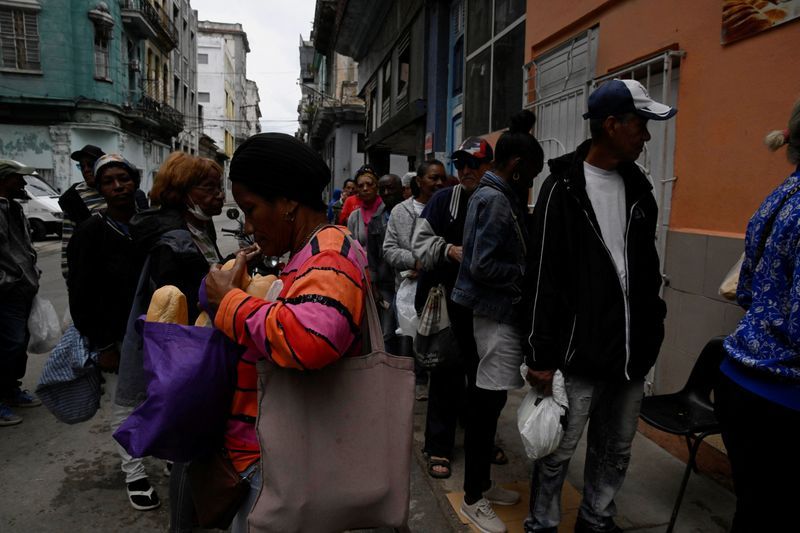
Economic Pressures Mount on the Cuban Population
The situation in Cuba has reached a critical juncture as citizens grapple with escalating economic pressures. Lengthening blackouts have become commonplace, severely affecting daily life and productivity. As the government struggles to maintain basic services, the repercussions of these challenges are felt across various sectors, from healthcare to agriculture. The scarcity of essentials has intensified, resulting in soaring prices for food, fuel, and transportation, further straining the budgets of ordinary Cubans.
Impact of U.S. Policies on Cuba's Economy
The ongoing U.S. economic sanctions have contributed significantly to the economic malaise in Cuba. These measures, aimed at pressuring the communist regime, have inadvertently exacerbated the hardships faced by the Cuban populace. With limited access to international markets and financial systems, the country finds itself increasingly isolated. The sanctions have not only stifled economic growth but have also hindered the import of vital supplies, leading to a deterioration in living standards.
Rising Prices and Scarcity of Basic Goods
The inflationary pressures in Cuba have reached alarming levels, particularly in essential goods. Food prices have surged, with basic staples becoming unaffordable for many families. The government’s attempts to stabilize the economy through price controls have often backfired, leading to shortages and black market activities. As citizens are forced to pay exorbitant prices for necessities, the social fabric of the nation is increasingly tested, with many resorting to barter systems and informal markets to survive.
Blackouts and Infrastructure Challenges
Frequent blackouts have compounded the already dire economic situation, disrupting not only household life but also business operations. Many small enterprises are unable to function effectively without a stable power supply, leading to a loss of income and employment opportunities. The government's struggle to maintain the electrical grid has highlighted the urgent need for infrastructural investments, which remain challenging under the current economic constraints.
Social Unrest and Political Ramifications
The combination of economic hardship and infrastructural failures has led to increased social unrest. Protests have erupted across the island, with citizens voicing their frustrations over the deteriorating living conditions. These demonstrations pose a significant challenge for the Cuban government, which must navigate the delicate balance between maintaining order and addressing the legitimate grievances of its people. The political ramifications of this unrest could have lasting effects on the regime’s stability and its relationship with the international community.
Future Outlook: Survival Amidst Adversity
As Cubans continue to adapt to the harsh realities of life under economic strain, the outlook remains uncertain. While the government has promised reforms and increased support for vulnerable populations, skepticism among citizens is palpable. The ability of the Cuban economy to recover hinges on a multitude of factors, including potential shifts in U.S. policy and the resilience of its people. In the face of adversity, Cubans are finding ways to survive, but the path to recovery will require significant changes both domestically and internationally.