


Escalating Tensions in the Middle East
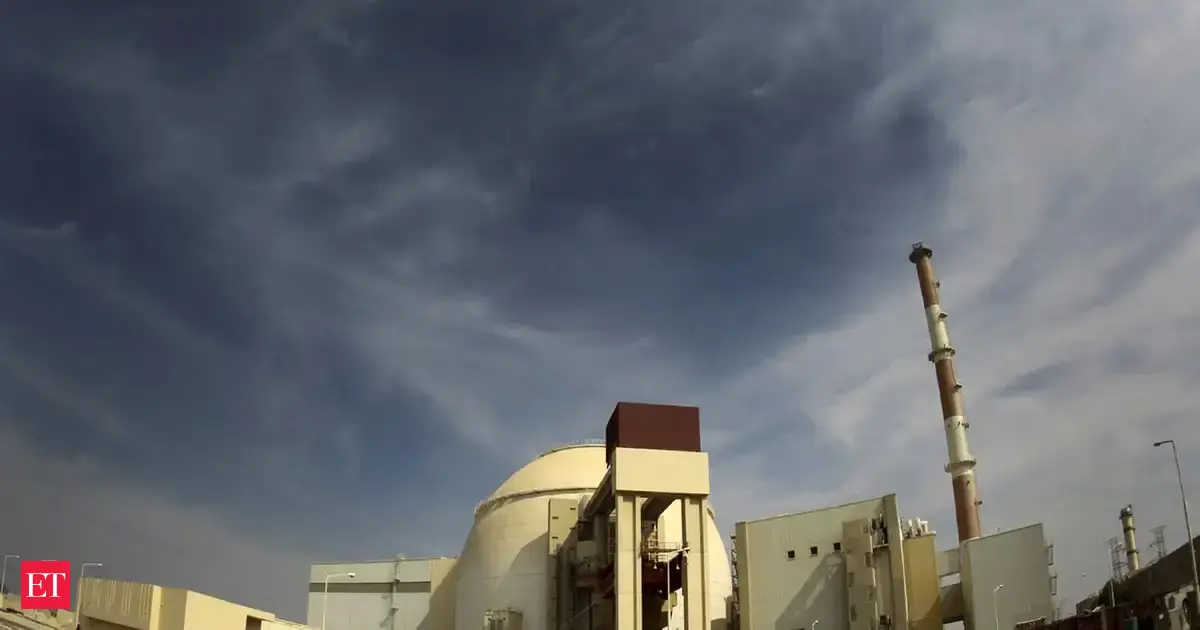
The geopolitical landscape in the Middle East is experiencing a seismic shift as reports emerge of potential military action against Iran's Bushehr nuclear facility. With the United States under the leadership of former President Donald Trump reportedly planning an attack within the next 48 hours, the implications for regional stability and global markets are profound. This development comes amid heightened tensions following Iran's controversial nuclear activities, which have drawn international scrutiny and condemnation.
Russia's Response: Evacuations and Strategic Maneuvers
In response to the escalating situation, Russia has initiated a massive evacuation operation at the Bushehr nuclear power plant. Chief of Rosatom, Alexei Likhachev, indicated that the situation at the site is evolving according to a "worst-case scenario." This statement underscores the gravity of the circumstances, as the Bushehr plant is not only vital to Iran's energy infrastructure but also a focal point in the broader geopolitical tensions involving nuclear proliferation. The evacuation signifies Russia's commitment to safeguarding its interests in the region, particularly given its role as a key ally of Iran.
Market Reactions and Investor Sentiment
The potential military action and subsequent evacuation have sent ripples through global markets. Investors are bracing for volatility, particularly within the energy sector. Oil prices, already sensitive to geopolitical developments, are likely to respond dramatically to any military engagement in the region. Market analysts predict that a strike on the Bushehr facility could lead to a spike in crude oil prices, further complicating an already fragile economic recovery post-pandemic.
Additionally, defense stocks could see a surge in value as investors anticipate increased military spending and potential contracts stemming from heightened tensions. Conversely, sectors reliant on stable energy prices, such as transportation and manufacturing, may face headwinds if the situation escalates. The uncertainty surrounding this geopolitical crisis is prompting investors to reassess their portfolios, with many seeking safe-haven assets such as gold and U.S. Treasuries.
The Implications for U.S.-Iran Relations
If the reported attack occurs, it would mark a significant escalation in U.S.-Iran relations, which have been fraught with tension since the U.S. withdrew from the Joint Comprehensive Plan of Action (JCPOA) in 2018. The potential military strike could derail any remaining diplomatic efforts aimed at curbing Iran's nuclear ambitions. Analysts warn that such an action could provoke retaliatory measures from Iran, further destabilizing the region and complicating U.S. foreign policy.
Moreover, the ramifications of an attack could extend beyond bilateral relations, potentially drawing in other regional players and escalating into a broader conflict. The strategic importance of the Bushehr facility, not only to Iran but also to its adversaries, makes it a flashpoint in the ongoing struggle for influence in the Middle East.
International Reactions and Diplomatic Efforts
International reactions to the looming threat of military action are varied, with many countries calling for restraint and diplomatic dialogue. European nations, which have been advocating for a return to negotiations over Iran's nuclear program, are particularly concerned about the potential for conflict. The European Union has expressed its commitment to working towards a peaceful resolution and has urged both the U.S. and Iran to de-escalate tensions.
China, another key player in the region, has also voiced its opposition to military strikes, emphasizing the need for stability in global energy markets. As one of Iran's primary trading partners, China's interests are deeply intertwined with the outcomes of this crisis, making its diplomatic stance critical in shaping the international response.
The Role of Energy Markets in Geopolitical Stability
The situation at the Bushehr nuclear site highlights the intricate relationship between energy markets and geopolitical stability. Iran is one of the world's largest oil producers, and any disruption to its energy production could have far-reaching implications for global oil supply. Analysts note that sustained military action could lead to supply chain disruptions, exacerbating the current energy crisis driven by post-pandemic demand surges.
Furthermore, the ongoing tensions could accelerate the push for alternative energy sources as nations seek to reduce their dependence on volatile oil markets. The urgency for energy diversification is becoming increasingly apparent, as countries grapple with the realities of geopolitical risks affecting traditional energy supplies.
Long-Term Consequences for Global Security
The potential attack on Bushehr and the subsequent military responses could reshape the security dynamics of the Middle East for years to come. If military action leads to a prolonged conflict, it could create a power vacuum that might be exploited by extremist groups or rival nations seeking to expand their influence in the region. This could further complicate U.S. and allied efforts to stabilize Iraq and Afghanistan, where security remains tenuous.
Additionally, the repercussions of a military strike could extend to U.S. allies in the region, including Israel and Saudi Arabia, who may find themselves drawn deeper into the conflict. The risk of a broader war could prompt a reevaluation of defense strategies and alliances, as nations reassess their security postures in light of a changing threat landscape.
Conclusion: A Pivotal Moment for Global Affairs
The unfolding events surrounding Iran's Bushehr nuclear facility represent a critical juncture not only for U.S.-Iran relations but also for global economic and security frameworks. As the world watches closely, the actions taken in the coming days could set the stage for a new era of geopolitical dynamics in the Middle East. Investors, policymakers, and analysts alike must remain vigilant as this situation develops, understanding that the stakes are high and the consequences far-reaching.