


ESB Group Reports Decline in Profits Amidst Storm Éowyn's Aftermath
The ESB Group has announced a 10% decline in profits after tax for the previous fiscal year, attributing the downturn to the significant disruptions caused by Storm Éowyn. The storm, which swept through parts of Ireland with unprecedented intensity, left a lasting impact on the energy utility's operations and financial performance. This decline signals the challenges faced by energy companies in managing extreme weather events and the associated economic implications.
Financial Overview and Key Metrics
For the year ending December 31, the ESB Group reported profits after tax of €400 million, down from €444 million in the preceding year. This reduction in profitability reflects not only the immediate costs incurred during the storm but also the longer-term effects on infrastructure and service delivery. The company noted that the storm caused extensive damage to power lines and substations, resulting in increased operational costs and a temporary halt in service provision for many customers.
Operational Challenges Post-Storm Éowyn
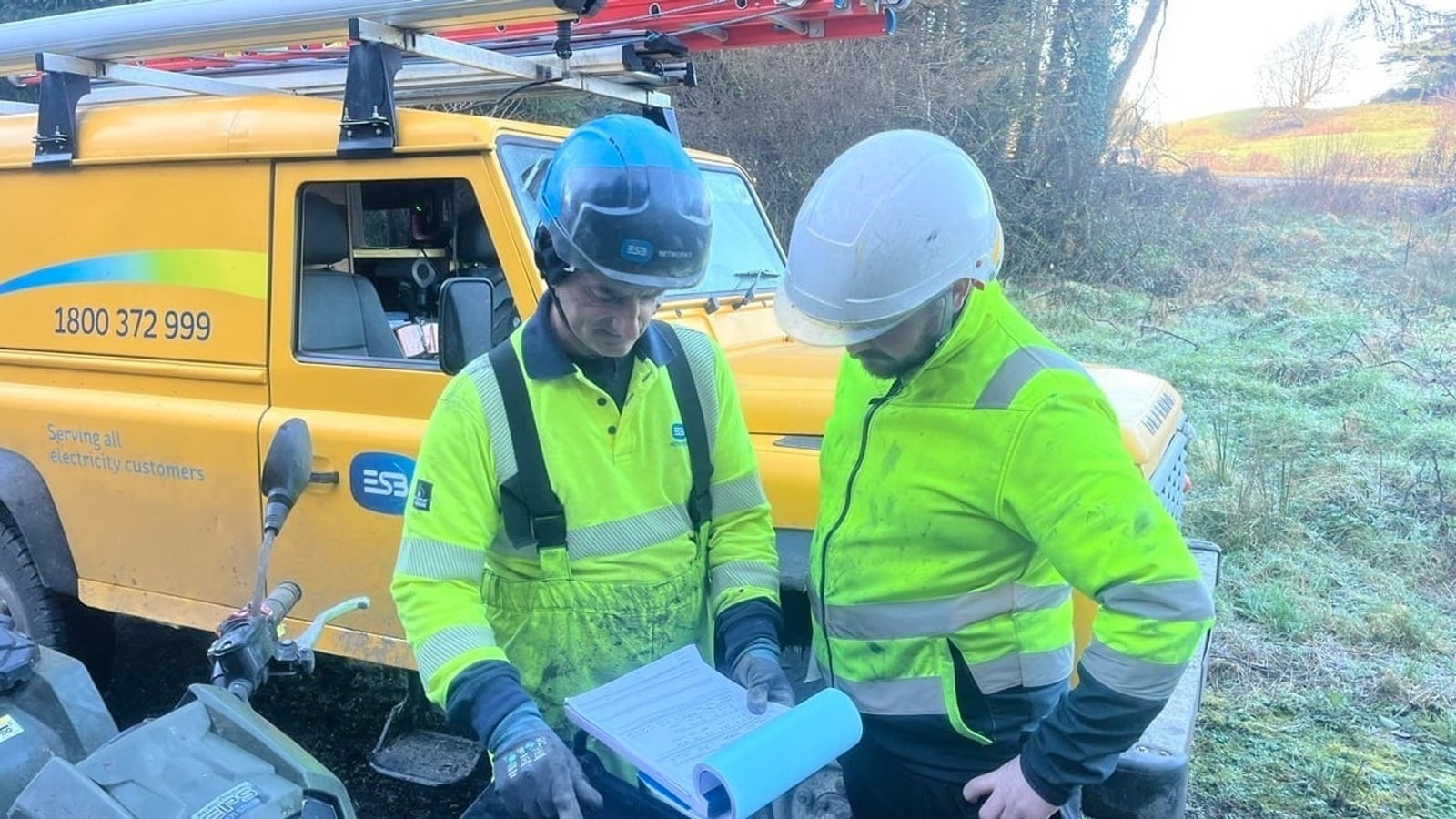
Storm Éowyn, which struck in late October, was characterized by high winds and heavy rainfall that led to widespread power outages across the country. The ESB Group mobilized significant resources to restore services, but the storm's ferocity meant that recovery efforts were hampered by ongoing adverse weather conditions. The company reported that restoration efforts took longer than anticipated, leading to increased labor costs and the need for additional equipment to address the storm's aftermath.
Investment in Resilience and Infrastructure
In response to the challenges presented by Storm Éowyn, the ESB Group is emphasizing the need for greater investment in infrastructure resilience. The company has outlined plans to enhance its network's robustness against future weather-related disruptions. This includes upgrading existing infrastructure and investing in new technologies that can help predict and mitigate the impact of severe weather events. The financial implications of these investments are significant, as they will require reallocating resources that could have otherwise supported profit growth.
Market Reactions and Shareholder Perspectives
The market response to ESB’s profit decline has been cautious, with analysts expressing concern over the potential for further weather-related disruptions affecting the company’s performance. Shareholders have voiced their opinions, with some advocating for a strategic shift towards more sustainable and resilient energy solutions. The ESB Group's management has assured investors that while the immediate impacts of Storm Éowyn are being addressed, the long-term strategy remains focused on sustainability and modernization of the energy grid.
Broader Implications for the Energy Sector
The challenges faced by the ESB Group are not isolated; they reflect a broader trend within the energy sector as climate change leads to increasingly severe weather events. Energy companies worldwide are grappling with the financial and operational challenges posed by such phenomena, prompting discussions about regulatory frameworks and the need for comprehensive climate adaptation strategies. As energy demand continues to rise, the ability of companies to manage these risks will be critical to their long-term viability.