


Introduction to Innovative Sleep Technology
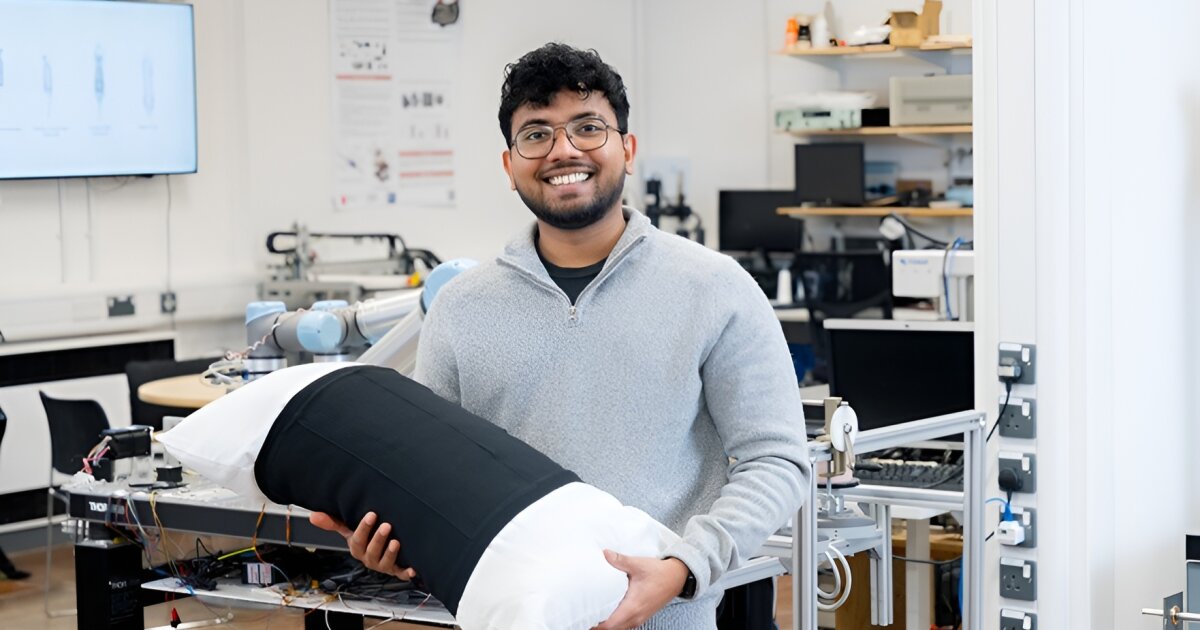
In a groundbreaking development within the realm of assistive technology, a research team led by Associate Professor Theo Hughes-Riley at Nottingham Trent University has unveiled a prototype of a smart vibrating pillow sleeve. This innovative device aims to address a pressing safety concern for individuals who are deaf or hard of hearing, providing them with a tactile alert system for emergencies such as fires and burglaries. The prototype was recently showcased at a prominent conference, highlighting its potential to significantly enhance personal safety in residential settings.
Addressing a Critical Gap in Safety Technology
The need for effective alert systems for the deaf community has long been recognized, yet solutions have remained limited. Traditional alarm systems, which primarily rely on auditory signals, fail to serve those who cannot hear. The vibrating pillow sleeve is designed to fill this gap, transforming a common household item into a lifeline during emergencies. By integrating advanced technology into a pillow sleeve, the device leverages vibrations to alert users, ensuring they are not left vulnerable during critical situations.
How the Vibrating Pillow Sleeve Works
The prototype functions by detecting signals from standard fire and burglar alarm systems. Upon activation of these alarms, the pillow sleeve responds with a series of vibrations, designed to rouse the sleeper without the need for sound. The underlying technology utilizes sensors that can be easily integrated with existing alarm systems, making it a practical solution for households. This innovation not only increases the safety of deaf individuals but also allows for a more inclusive approach to home security.
Market Potential and Industry Impact
The introduction of the vibrating pillow sleeve opens up new avenues in the assistive technology market. With an estimated 466 million people worldwide suffering from disabling hearing loss, the potential customer base for such a device is substantial. Companies in the home security and assistive technology sectors may find opportunities to collaborate on further developing and marketing this innovative product. The vibrating pillow sleeve could lead to a new category of smart home devices focused on accessibility and safety, appealing to both consumers and investors alike.
Challenges in Product Development and Adoption
Despite the promising nature of the vibrating pillow sleeve, several challenges remain in its development and market adoption. One significant hurdle is ensuring compatibility with a variety of existing alarm systems. The research team will need to conduct extensive testing to ensure that the device can effectively interface with multiple brands and types of alarms. Additionally, educating potential users about the benefits and functionality of the device will be crucial in overcoming skepticism and promoting widespread acceptance.
Funding and Support for Assistive Technology Innovations
The development of the vibrating pillow sleeve has likely benefited from funding and support aimed at fostering innovation in assistive technologies. Government grants, private investments, and partnerships with non-profit organizations focused on disability rights and accessibility can provide essential resources for further research and development. Securing adequate funding will be critical in bringing the prototype to market and ensuring it meets the needs of its intended users.
The Role of Technology in Enhancing Quality of Life
Innovations like the vibrating pillow sleeve underscore the role of technology in enhancing the quality of life for individuals with disabilities. As society becomes increasingly aware of the importance of inclusivity, the demand for accessible solutions will likely grow. This trend is reflected in various sectors, from healthcare to consumer products, where technology is leveraged to provide better experiences and outcomes for all users. The vibrating pillow sleeve is a prime example of how targeted technological advancements can create meaningful change.
Future Prospects and Next Steps
Looking ahead, the research team will need to focus on refining the prototype based on feedback from initial demonstrations. Engaging with potential users and stakeholders during this phase will be crucial for fine-tuning the device's features and ensuring it adequately meets the needs of the deaf community. The next steps may include pilot testing in real-world scenarios, which can provide valuable insights into its effectiveness and usability.
Broader Implications for Home Safety Technology
The vibrating pillow sleeve represents a shift in how home safety technology is conceived and implemented. By prioritizing the needs of deaf individuals, this innovation challenges the traditional view of safety devices and encourages a more inclusive approach. As the technology matures, it may inspire further innovations that cater to other underserved populations, reinforcing the idea that safety is a fundamental right for everyone, regardless of their abilities.
Conclusion: A Step Toward Inclusive Safety Solutions
The introduction of the vibrating pillow sleeve prototype marks a significant step toward creating more inclusive safety solutions for the deaf community. As the development progresses, it has the potential to redefine personal safety in homes across the globe. With ongoing research and collaboration among industry stakeholders, this innovative device could soon become a standard feature in homes, ensuring that everyone, regardless of their hearing ability, can feel secure while they sleep.