


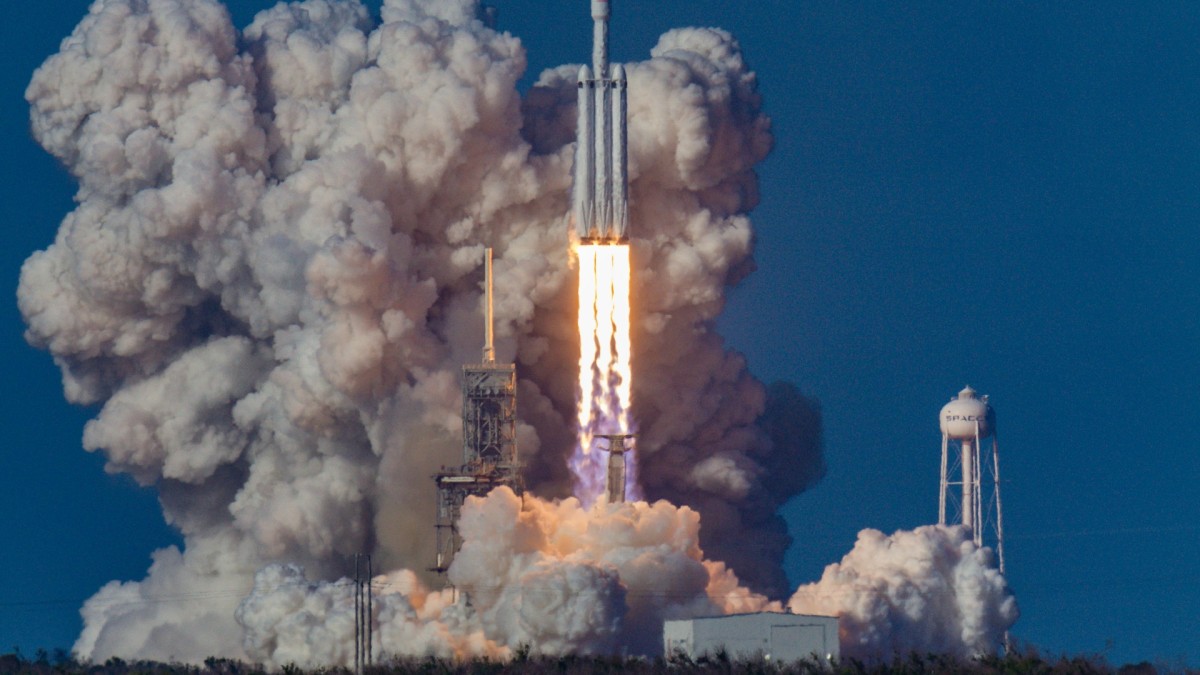
Understanding the Supply Chain Dynamics of SpaceX Launches
As SpaceX prepares for its anticipated initial public offering (IPO), attention is increasingly focused on the intricate supply chain that supports its ambitious launch schedule. The aerospace sector is not solely defined by the rockets and spacecraft that take to the skies; rather, it encompasses a vast network of suppliers, manufacturers, and service providers that ensure each mission's success. This hidden supply chain is essential for maintaining the momentum of SpaceX's operations, particularly as the company looks to expand its market presence.
The Role of Propellants in Aerospace Launches
Rocket propellant is a critical component of any launch, dictating not only the rocket's performance but also its cost efficiency. The propellants used by SpaceX, including RP-1 (a highly refined form of kerosene) and liquid oxygen, are sourced from specialized industrial gas suppliers. These suppliers must meet rigorous safety and quality standards, as any failure in the propellant supply chain can have catastrophic consequences. As such, understanding the economics of space propellants is vital for investors and stakeholders in the aerospace industry.
Market Dynamics and Economic Viability
Rothschild & Co Redburn analyst Tony Jones recently highlighted the economic landscape surrounding space propellants. He noted that the demand for rocket propellants is poised to grow significantly, driven by increased launch frequencies and a burgeoning commercial space sector. This growth presents lucrative opportunities for industrial gas companies that can effectively scale their operations and innovate in propellant production.
As the cost of launching payloads into space continues to decline, the competitive landscape is shifting. Companies that can provide reliable and cost-effective propellant solutions will play a pivotal role in the success of launch providers like SpaceX. This economic viability is attracting attention from investors looking to capitalize on the burgeoning space economy.
Identifying Key Players in the Propellant Supply Chain
In the realm of industrial gases, one company has emerged as a frontrunner in the market for rocket propellants and mission-critical launch gases. The company's strategic positioning, technological capabilities, and established relationships within the aerospace sector position it to dominate this emerging market. As launch providers increase their operational tempo, the need for a dependable supply of propellants becomes paramount, creating a significant competitive advantage for this industrial gas giant.
Furthermore, the complexities of sourcing and delivering propellants cannot be overstated. The logistics of transporting cryogenic gases and other materials to launch sites require specialized infrastructure and expertise. Companies that can navigate these challenges effectively will not only enhance their market share but also contribute to the overall reliability of space missions.
SpaceX's Launch Cadence and Its Supply Chain Implications
SpaceX's ambitious launch cadence, which includes plans for multiple missions each month, places immense pressure on its supply chain. The company’s ability to execute these launches hinges on the seamless integration of its suppliers and partners, particularly in the realm of propellants. Any disruption in the supply chain can lead to delays, increased costs, and missed market opportunities.
As the company prepares for its IPO, investors are keenly aware of the importance of a robust supply chain. A reliable network of suppliers not only enhances operational efficiency but also mitigates risks associated with production delays and unforeseen challenges. This focus on supply chain resilience will be critical as SpaceX continues to push the boundaries of space exploration.
Investment Opportunities in the Space Propellant Sector
The growing demand for space launches has created an array of investment opportunities within the supply chain. Companies involved in the production and distribution of rocket propellants are positioned to benefit from the expanding commercial space market. Investors are encouraged to consider the long-term growth potential of these firms, particularly those that are innovating in propellant technology and logistics.
Moreover, as governments and private entities increasingly invest in space exploration, the need for reliable propellant suppliers will only intensify. This trend is likely to attract additional capital into the sector, driving further innovation and competition. For investors looking to align their portfolios with the future of aerospace, the space propellant market represents a compelling area of focus.
Challenges Facing the Space Propellant Supply Chain
Despite the promising outlook for space propellant suppliers, several challenges loom over the industry. Regulatory hurdles, safety concerns, and environmental considerations are significant factors that companies must navigate. The production of rocket propellants, particularly those involving hazardous materials, is subject to stringent regulations that can complicate operations.
Additionally, the environmental impact of propellant production and use is under scrutiny. As public awareness of climate change grows, there is increasing pressure on the aerospace industry to adopt greener technologies. Companies that can innovate in the development of sustainable propellants may find themselves at a distinct advantage, appealing to environmentally conscious investors and stakeholders.
The Future of the Space Propellant Supply Chain
Looking ahead, the space propellant supply chain is likely to evolve significantly as the industry matures. With advancements in technology and growing demand for space access, the landscape will continue to shift. Companies that can adapt to these changes, embrace innovation, and prioritize sustainability will be well-positioned for success.
As SpaceX moves closer to its IPO, the importance of a resilient and efficient supply chain becomes increasingly evident. Investors and market participants must pay close attention to the dynamics of the propellant market and the key players within it. The interplay between supply chain capabilities and launch success will be a defining factor in the future of space exploration and the broader aerospace industry.
Conclusion: The Interconnected Future of Space Exploration
The hidden supply chain behind every SpaceX launch is a complex web of relationships, technologies, and economic forces. As the company prepares for its IPO, the spotlight on its supply chain highlights the critical role of propellant suppliers and logistics providers in the aerospace ecosystem. Understanding these dynamics will be essential for investors and industry stakeholders alike as they navigate the exciting and rapidly evolving landscape of space exploration.