


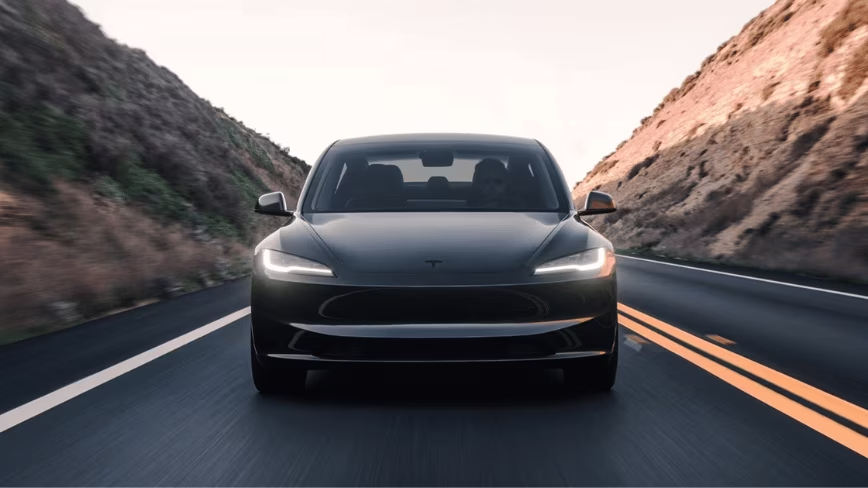
Tesla's Strategic Shift: Selling Chinese-Made Cars in Canada
Tesla's recent move to sell Chinese-made Model 3 sedans in Canada marks a significant shift in its international strategy, particularly in response to tariffs imposed by both China and the United States. By redirecting its manufacturing efforts, Tesla aims to optimize its pricing strategy in a competitive market while navigating complex geopolitical dynamics. This decision not only highlights Tesla's adaptability but also raises questions about the implications for the North American automotive landscape.
Pricing Dynamics: The Model 3's Competitive Edge
The introduction of the Chinese-made Model 3 Premium RWD at a starting price of C$39,490 (approximately US$29,000) represents the lowest price point for the vehicle in Canada to date. This pricing strategy is particularly noteworthy given the recent history of escalating vehicle costs across the automotive sector. By leveraging its manufacturing capabilities at Giga Shanghai, Tesla is able to offer a more attractive price point that could entice a broader range of consumers, potentially boosting sales in a critical North American market.
Understanding the Tariff Landscape
The tariffs imposed by both China and the United States have significantly impacted the automotive industry, forcing companies to reevaluate their supply chains and pricing strategies. These tariffs are part of broader trade tensions between the two nations, which have seen increased scrutiny of foreign-made goods. By selling vehicles manufactured in China to Canadian consumers, Tesla is attempting to sidestep these tariffs, thereby maintaining its competitive edge while keeping prices lower than its rivals.
A Closer Look at Tesla's Manufacturing Strategy
Tesla's Giga Shanghai facility has been a pivotal asset in the company's global expansion strategy. The factory not only serves the Chinese market but also acts as a key export hub for other regions, including Europe and now Canada. This strategic location allows Tesla to capitalize on lower production costs and efficient logistics, which are critical in maintaining profitability amid rising competition and regulatory pressures.
Market Reactions and Consumer Response
The Canadian automotive market has responded positively to the introduction of the Chinese-made Model 3, with early indicators suggesting a surge in interest among consumers. Analysts note that the combination of affordability and Tesla's brand reputation could lead to increased market share in Canada, especially as consumers become more price-sensitive in the current economic climate. Moreover, the lower price point may encourage potential buyers who were previously deterred by the cost of electric vehicles, thus accelerating the shift towards sustainable transportation.
Implications for North American Automakers
Tesla's move to sell Chinese-made vehicles in Canada could have significant implications for North American automakers. Traditional manufacturers may find it challenging to compete with Tesla's pricing strategy, particularly as they navigate their own supply chain issues and rising production costs. This development could prompt a reevaluation of pricing strategies across the board, with legacy automakers needing to innovate not only in product offerings but also in manufacturing efficiencies to remain competitive.
The Future of Electric Vehicles in Canada
As Tesla continues to expand its footprint in Canada with competitively priced electric vehicles, the future of the electric vehicle (EV) market in the region appears promising. The Canadian government has been actively promoting the adoption of EVs through various incentives and infrastructure investments, creating a conducive environment for growth. Tesla's entry with lower-priced models could further catalyze this trend, encouraging other manufacturers to follow suit and invest in electric vehicle technology.
Challenges Ahead: Regulatory and Market Risks
While Tesla's strategy presents numerous opportunities, it is not without its challenges. The regulatory landscape surrounding electric vehicles is constantly evolving, with potential changes in tariffs, environmental regulations, and incentives that could impact Tesla's operations. Additionally, as more competitors enter the EV market, Tesla may face increased pressure to innovate and differentiate its offerings to retain its leading position.
The Bigger Picture: Global Trade and Economic Factors
Tesla's approach to selling Chinese-made vehicles in Canada underscores the intricate relationship between global trade dynamics and local market conditions. The interconnectedness of economies means that decisions made in one region can have ripple effects across others. As geopolitical tensions continue to influence trade policies, companies like Tesla must remain agile and responsive to shifting circumstances to maintain their competitive advantage.
Conclusion: Navigating a Complex Market Landscape
In conclusion, Tesla's decision to sell Chinese-made Model 3 sedans in Canada reflects a strategic maneuver aimed at mitigating the impact of tariffs while capitalizing on competitive pricing. This move not only positions Tesla favorably within the Canadian market but also highlights the broader implications for the automotive industry as it adapts to evolving global trade conditions. As Tesla navigates these complexities, its ability to innovate and respond to market demands will be crucial in shaping the future of electric vehicles in North America.