


Eurobank Pioneers UPI Remittances from Greece to India
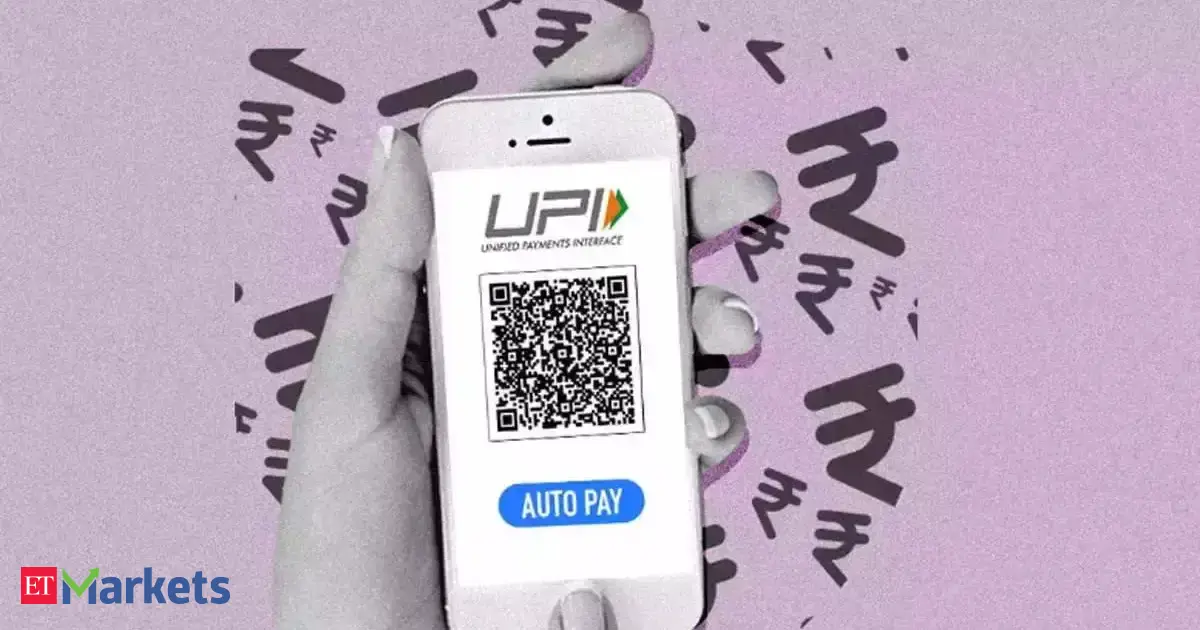
In a significant move aimed at enhancing cross-border financial transactions, Eurobank has announced the launch of a new service enabling remittances from Greece and Cyprus to India using the Unified Payments Interface (UPI). This initiative marks a historic first, as Eurobank becomes the first European bank to facilitate UPI remittances, thus opening a new chapter in the realm of international money transfers.
Understanding UPI and Its Impact on Remittances
The Unified Payments Interface has revolutionized the payments landscape in India, allowing for seamless and instantaneous money transfers through mobile devices. By leveraging UPI, Eurobank aims to streamline the remittance process for individuals and businesses seeking to send funds to India. This is particularly relevant given the growing expatriate community from India in Greece and Cyprus, which has been increasingly reliant on efficient remittance channels to support families and investments back home.
Strategic Importance of the Initiative
This initiative not only underscores Eurobank’s commitment to expanding its service offerings but also highlights the strategic importance of the Indian market. With India being one of the largest recipients of remittances globally, the ability to facilitate UPI transactions positions Eurobank advantageously within the competitive financial landscape. The bank's decision to enter this market reflects a broader trend among European financial institutions to tap into the lucrative potential of cross-border remittances.
Establishing a Physical Presence in Mumbai
To further bolster its commitment to the Indian market, Eurobank is also opening a representative office in Mumbai. This physical presence is expected to enhance the bank’s ability to foster trade and investment between Greece, Cyprus, and India. By establishing a foothold in one of the world's fastest-growing economies, Eurobank aims to build strong relationships with local businesses and stakeholders, facilitating smoother transactions and collaborations.
Enhancing Trade Relations Between Greece and India
The opening of the Mumbai office is not merely a logistical maneuver; it symbolizes a deepening of trade relations between Greece and India. Over the past few years, bilateral trade has been on an upward trajectory, with both countries recognizing the importance of mutual cooperation in various sectors, including technology, agriculture, and pharmaceuticals. Eurobank’s initiative may well serve as a catalyst for increased investment flows and collaborative projects between the two nations.
Addressing the Challenges of Cross-Border Remittances
Despite the advantages of modern technology, cross-border remittances often face numerous challenges, including high transaction costs, regulatory hurdles, and delays. Eurobank’s UPI-enabled service aims to address these issues head-on. By leveraging UPI’s inherent efficiencies, the bank seeks to offer competitive rates and faster processing times, thereby making the remittance process more accessible and affordable for users in Greece and Cyprus.
Market Reactions and Future Prospects
The announcement has garnered positive reactions from various stakeholders, including expatriate communities and financial analysts. Many view this development as a progressive step that not only benefits consumers but also enhances Eurobank’s competitive positioning in the international banking sector. As the bank rolls out this service, it will be closely monitored by industry experts and competitors alike, eager to assess its impact on the remittance landscape.
Regulatory Considerations and Compliance
As with any financial service, regulatory compliance will be paramount for Eurobank as it embarks on this new venture. The bank will need to navigate the complex regulatory environments of both the European Union and India, ensuring that its remittance services adhere to all necessary guidelines. This commitment to compliance will be crucial in maintaining trust and credibility among users, particularly in the context of international financial transactions.
Potential for Growth in the Remittance Sector
The remittance sector is poised for significant growth, particularly with the increasing globalization of labor markets. Eurobank’s entry into this space signals a recognition of this potential, as well as the bank's ambition to become a key player in the evolving landscape of international finance. By focusing on technological advancements and customer-centric solutions, Eurobank aims to capture a share of this lucrative market.
Broader Implications for the European Banking Sector
Eurobank’s initiative could set a precedent for other European banks considering similar ventures. As financial institutions increasingly look to diversify their services and expand their global reach, the success of Eurobank's UPI remittance service may encourage others to explore opportunities in emerging markets. This trend could lead to a more interconnected global banking system, fostering greater economic collaboration across borders.
Conclusion: A New Era for Eurobank
In conclusion, Eurobank’s launch of UPI remittances from Greece and Cyprus to India, along with the establishment of a representative office in Mumbai, marks a significant milestone for the bank and the broader European banking sector. This initiative not only addresses the needs of a growing expatriate community but also strengthens trade relations between Greece and India. As Eurobank positions itself at the forefront of this evolving landscape, it will be essential to monitor its progress and impact on the global financial ecosystem.