


US Military Action in the Gulf of Oman
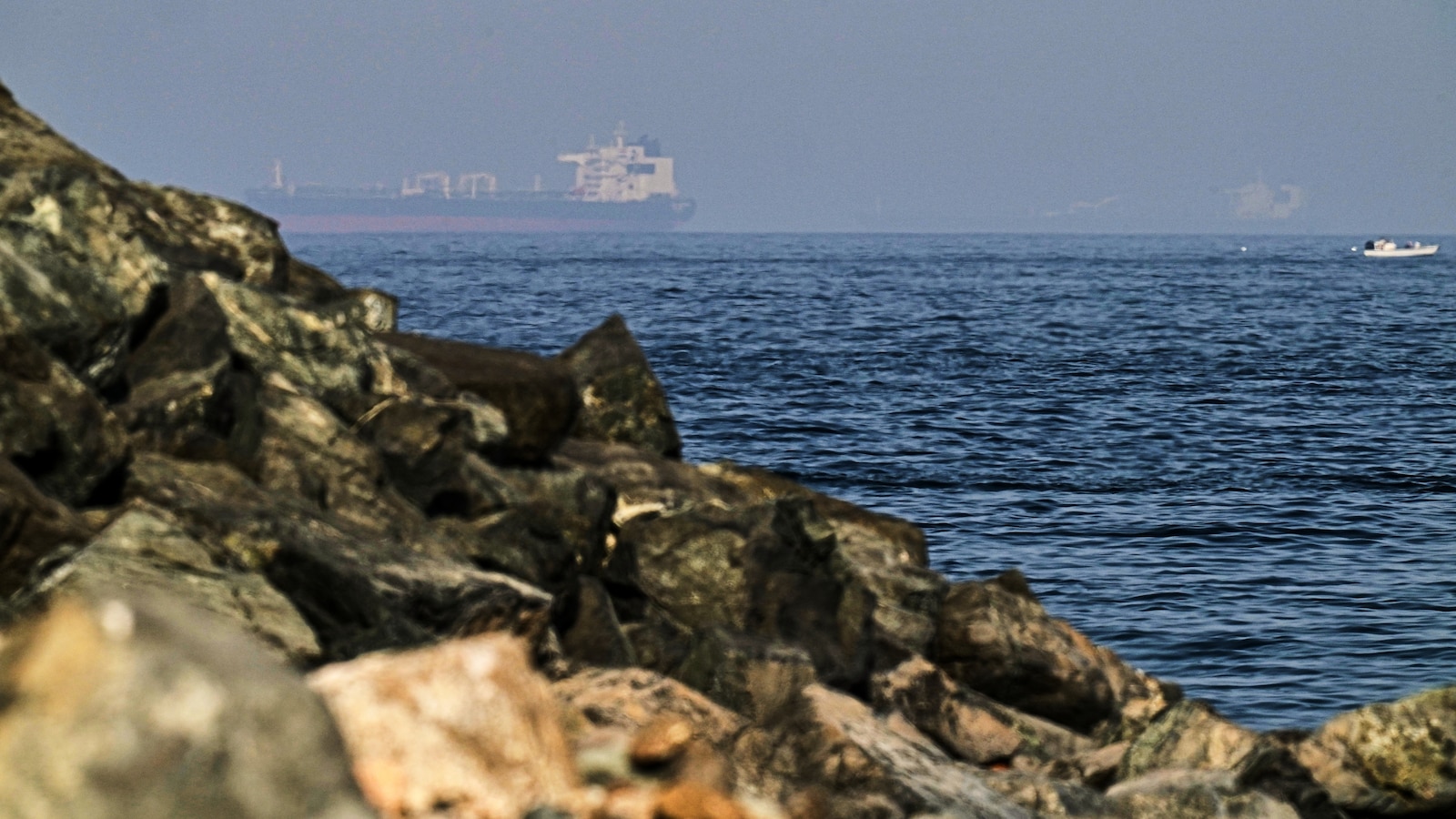
The U.S. military has confirmed that it recently boarded an Iranian-flagged commercial oil tanker in the Gulf of Oman, an event that underscores the heightened tensions in the region. This incident is part of a broader strategy aimed at enforcing strict maritime blockades against Iranian oil exports, which the U.S. considers vital to its national security interests and regional stability.
The boarding operation was executed under the auspices of the U.S. Navy, which has been actively patrolling the area as part of its commitment to ensuring safe navigation and upholding international maritime laws. The tanker, suspected of attempting to breach the blockade, was intercepted in a strategic waterway that has seen a significant increase in military presence due to ongoing geopolitical tensions involving Iran.
Implications for Global Oil Markets
The boarding of the Iranian tanker could have far-reaching implications for global oil markets, particularly as prices remain sensitive to geopolitical developments. Iran, despite facing intense sanctions from the U.S. and its allies, has been attempting to export oil through clandestine means, often leading to confrontations at sea.
Market analysts suggest that any disruption in oil supply from Iran, whether through military action or sanctions enforcement, could result in increased volatility in crude oil prices. With the market already grappling with supply chain challenges due to the ongoing effects of the COVID-19 pandemic and the conflict in Ukraine, the potential for further instability in the Middle East adds another layer of uncertainty.
As the U.S. military continues to enforce its blockade, traders and investors are closely monitoring developments in the Gulf of Oman. Any significant escalation in military actions could lead to a spike in oil prices, affecting not just the energy sector but also broader economic conditions globally.
Strategic Military Presence in the Region
The U.S. has maintained a strategic military presence in the Gulf region for decades, aimed at deterring threats from Iran and ensuring the free flow of oil through critical chokepoints like the Strait of Hormuz. This recent boarding operation reinforces the U.S. commitment to countering Iranian influence in the area, which has been a focal point of U.S. foreign policy since the 1979 Islamic Revolution.
Military experts note that such actions are part of a broader strategy that includes intelligence gathering and surveillance of Iranian maritime activities. The U.S. Navy's presence acts as both a deterrent to Iranian aggression and a reassurance to allies in the region who depend on stable oil supplies.
Furthermore, the U.S. has called for international cooperation to address the challenges posed by Iranian maritime activities. The situation remains fluid, with potential for alliances and coalitions to form around maritime security efforts in the Gulf, particularly involving countries that share concerns about Iran's regional ambitions.
Impact on U.S.-Iran Relations
The boarding of the Iranian tanker marks another chapter in the fraught relationship between the U.S. and Iran. Diplomatic efforts to revive the Joint Comprehensive Plan of Action (JCPOA), the 2015 nuclear agreement, have stalled, leaving both nations in a state of heightened tension.
Iran has consistently condemned U.S. military actions in the region, viewing them as violations of sovereignty and attempts to stifle its economic viability. The Iranian government is likely to respond to this latest incident with strong rhetoric, potentially escalating tensions further.
In this context, the U.S. actions may be interpreted not only as a tactical enforcement of sanctions but also as a broader signal of its unwillingness to tolerate Iranian provocations. Analysts suggest that this could complicate any future negotiations, as mutual distrust continues to dominate the dialogue between the two nations.
International Reactions and Market Sentiment
The international community is watching closely as the situation evolves, with various governments and organizations expressing concern over the potential for military escalation in the Gulf. The European Union, in particular, has been vocal about the need for diplomatic solutions to avoid conflict, emphasizing the importance of stability in global energy markets.
Market sentiment in the energy sector has already begun to reflect the uncertainty surrounding the incident. Oil futures experienced fluctuations immediately following news of the boarding, indicating that traders are bracing for potential disruptions. Analysts predict that continued military engagements could lead to a sustained increase in oil prices, affecting everything from consumer fuel costs to inflation rates globally.
Moreover, the incident could prompt countries that rely heavily on oil imports to reassess their energy strategies, potentially accelerating shifts toward alternative energy sources or the development of strategic reserves. This dynamic could reshape the energy landscape in the coming years.
Future Outlook: Navigating a Complex Landscape
As the U.S. military continues to reinforce its presence in the Gulf, the potential for further confrontations remains a significant concern for both regional stability and global economic conditions. The balance of power in the region is delicate, with various actors, including Iran, the U.S., and regional allies, all vying for influence.
In light of these developments, businesses and investors are urged to remain vigilant, as geopolitical events can have rapid and profound impacts on market conditions. Companies with exposure to the energy sector, as well as those reliant on stable supply chains, may need to develop contingency plans to mitigate risks associated with potential disruptions.
Ultimately, the boarding of the Iranian tanker serves as a reminder of the intricate interplay between military actions and economic outcomes. As the world watches these developments unfold, the interplay of diplomacy, military strategy, and market dynamics will continue to shape the landscape of international finance and global trade.