


The Growing Importance of State and Local Governance
As the nation approaches the midterm elections, the focus traditionally rests on the battle for control of the House and Senate. However, political analysts and economists alike are increasingly pointing to state and local races as critical determinants of economic stability and growth. While federal policy undoubtedly influences the broader economy, the nuances of state governance can have immediate and profound effects on local economies, infrastructure development, and business climate.
State Policies: A Crucial Economic Driver
State governments wield significant power over taxation, regulation, and public spending, all of which are vital to economic performance. For instance, decisions regarding state income tax rates can directly impact disposable income for residents, influencing consumer spending and overall economic activity. Additionally, states with business-friendly regulations often attract more investment, leading to job creation and enhanced economic resilience.
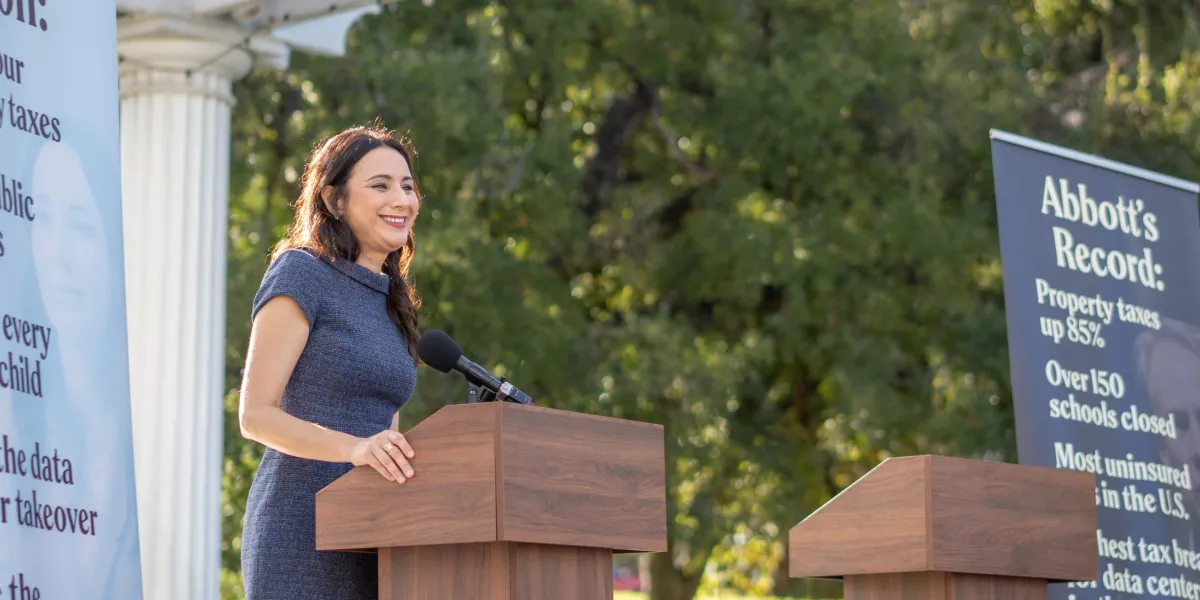
In the upcoming midterms, key gubernatorial and legislative races in states like Texas, Florida, and California will shape policies that could either bolster or hinder economic growth. States with robust economic strategies that prioritize infrastructure spending, workforce development, and innovation tend to experience faster growth rates compared to those that do not. As such, the outcomes of these elections could have far-reaching implications for the national economy.
Impact on Local Economies
Local races, often overshadowed by state and federal contests, play an equally vital role in shaping the economic landscape. Mayoral and city council elections determine local policies on zoning, housing, and transportation, which can significantly influence property values and local business conditions. For instance, a city that prioritizes public transportation can enhance access to jobs, thereby stimulating economic activity.
Moreover, local governments are often the first responders to economic challenges, such as recessions or unemployment spikes. Their ability to implement targeted relief measures and support local businesses can mitigate the effects of broader economic downturns. As such, voters should be cognizant of the candidates' economic platforms at the local level, as their decisions can have immediate impacts on community resilience and growth.
Voter Sentiment and Economic Concerns
As voters head to the polls, economic sentiment is likely to play a pivotal role in their decision-making process. Inflation rates, unemployment figures, and overall economic confidence will influence how individuals perceive the effectiveness of their current state and local governance. In states where voters feel their economic situation is precarious, candidates advocating for economic stability, job growth, and fiscal responsibility may resonate more strongly.
Furthermore, issues such as affordable housing, access to healthcare, and educational opportunities are increasingly linked to economic performance. Candidates who address these concerns effectively may find themselves gaining traction among voters who prioritize economic outcomes. The ability to connect local issues to broader economic themes will be critical for candidates aiming to secure votes in a competitive landscape.
Corporate Influence and Political Dynamics
The intersection of business interests and political dynamics at the state level cannot be overlooked. Corporations often engage in significant lobbying efforts, aiming to influence legislation that affects their operations and profitability. In states where business interests align with political leaders, the potential for economic growth can be amplified. Conversely, states with contentious relationships between corporations and policymakers may face challenges in attracting investment.
Moreover, the rise of corporate social responsibility has added a new dimension to political engagement. Companies are increasingly expected to take stances on social issues, which can complicate their relationships with state governments. This evolving landscape underscores the need for candidates to navigate the complexities of business interests while also addressing the concerns of their constituents.
The Role of Economic Forecasting in Elections
As the midterm elections approach, economic forecasting will play a crucial role in shaping campaign strategies. Candidates and their teams will rely on economic data to craft messages that resonate with voters. For example, highlighting improvements in local employment rates or successful infrastructure projects can bolster a candidate's image as an effective leader.
Conversely, candidates may also leverage negative economic indicators to rally support against their opponents, framing them as ineffective or out of touch with the needs of their constituents. This tactic can be particularly effective in states experiencing economic challenges, where voters may be more inclined to seek change. The interplay between economic data and political messaging will undoubtedly shape the narrative leading up to the elections.
The Long-Term Implications of State Elections
The outcomes of the midterm elections will have lasting implications for economic policy and governance at the state level. States that adopt forward-thinking policies may set a precedent for others to follow, creating a ripple effect across the nation. Conversely, states that resist necessary reforms may find themselves lagging in economic competitiveness.
Moreover, the decisions made at the state level can influence national trends. For example, states that lead in renewable energy initiatives may inspire federal policies aimed at sustainability, while those that prioritize tax cuts may encourage similar measures at the national level. As such, the midterm elections represent not only a pivotal moment for individual states but also for the broader trajectory of the U.S. economy.
Conclusion: A Call to Action for Voters
As voters prepare to head to the polls, it is essential to recognize the significance of state and local elections in shaping economic outcomes. The composition of state legislatures and local governments can have immediate and long-term effects on economic growth, job creation, and community resilience. By prioritizing informed voting and engaging with candidates on economic issues, citizens can play a vital role in determining the future direction of their states and, ultimately, the nation.
In an increasingly complex political landscape, the importance of state and local governance cannot be overstated. As the midterm elections approach, the decisions made at these levels may indeed prove to be more consequential for the U.S. economy than the outcomes in Washington. Voter engagement in these races is paramount, as the stakes have never been higher.
Source: Open original source