


Introduction: The Shift in AI Service Models
In a significant move that underscores the evolving landscape of artificial intelligence, GitHub has announced a tightening of usage limits for its Copilot service, particularly affecting Pro subscribers by removing access to the Claude Opus model. This decision comes at a time when the costs associated with AI technologies are becoming increasingly pronounced, prompting companies to reassess their pricing and service models. As organizations leverage AI to enhance productivity, the implications of these changes could reverberate throughout the tech sector.
Understanding the Changes in GitHub Copilot
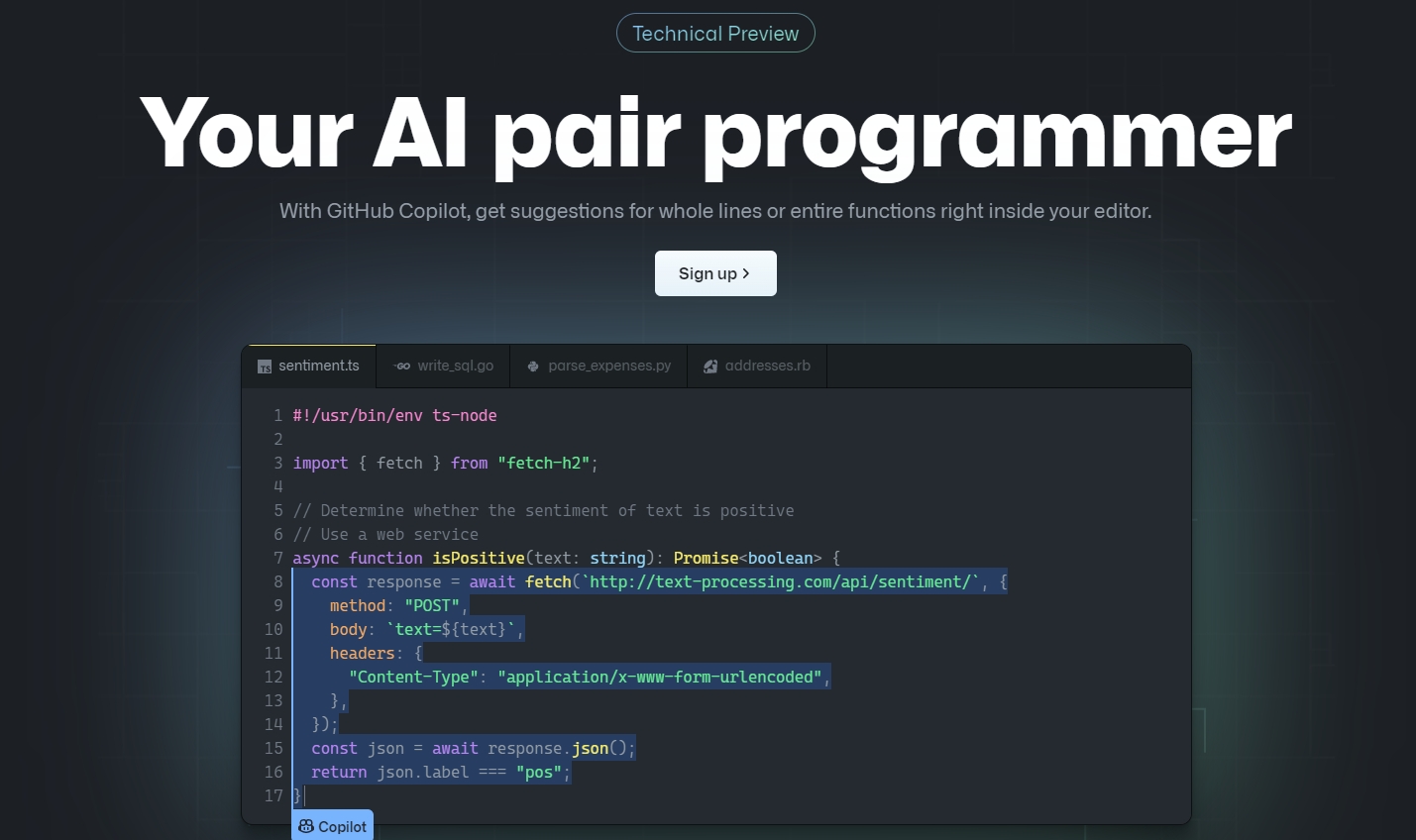
GitHub Copilot, a tool designed to assist software developers by suggesting code snippets and functions, has been a cornerstone of many developers' workflows since its launch. The recent changes to its usage limits signify a strategic pivot in GitHub's approach to managing the costs associated with AI processing power. By removing access to Claude Opus for Pro subscribers, GitHub is not only addressing the rising operational expenses but also recalibrating its value proposition to users.
Financial Implications for AI Service Providers
The move by GitHub is reflective of a broader trend in the AI industry, where companies are beginning to recognize the substantial costs tied to the computational resources required for AI functionalities. Historically, many AI providers have offered their services at low or no cost to build a user base and gather valuable data. However, as the demand for AI solutions surges, the financial realities of providing such services are prompting a reevaluation of pricing structures.
As companies like GitHub tighten their usage limits, other AI service providers may follow suit, leading to a potential increase in costs for end-users. This shift could influence how businesses budget for AI technologies, possibly leading to a reduction in the adoption rates among smaller firms that may find the new pricing structures prohibitive.
The Competitive Landscape: How Companies Are Reacting
The tightening of usage limits by GitHub Copilot may catalyze competitive responses among other AI service providers. Companies that have previously relied on a low-cost model may need to reassess their pricing strategies to ensure sustainability while remaining attractive to users. This could lead to a reconfiguration of the AI marketplace, where services are no longer perceived as free or low-cost but as premium offerings that come with a commensurate price tag.
For instance, alternative coding assistance tools may seek to differentiate themselves by either maintaining lower costs or enhancing their value propositions through additional features or integrations. This competitive pressure could ultimately benefit consumers by fostering innovation and improving service quality across the board.
Impact on Software Development Practices
The changes to GitHub Copilot could have significant implications for software development practices. With increased costs and usage limits, developers may need to rethink how they integrate AI tools into their workflows. Organizations that have come to rely on AI for efficiency could face challenges in maintaining productivity levels, particularly if they are forced to limit their usage of tools like Copilot.
This shift may prompt companies to invest in training and upskilling their workforce, ensuring that developers can continue to produce high-quality code without over-reliance on AI assistance. Furthermore, it could lead to a greater emphasis on developing internal capabilities and tools tailored to specific organizational needs, fostering innovation within teams.
The Role of AI in Future Business Strategies
As AI technologies become more central to business operations, companies must navigate the challenges posed by rising costs and changing service models. The recent developments with GitHub Copilot highlight the need for organizations to incorporate AI into their long-term business strategies thoughtfully. Firms will need to assess the potential return on investment for AI tools and determine how best to allocate resources amidst evolving pricing structures.
Additionally, businesses that effectively leverage AI can gain a competitive advantage in their respective markets. By understanding the nuances of AI pricing and usage limits, companies can make informed decisions that align with their strategic goals, ultimately driving growth and innovation.
Looking Ahead: The Future of AI Services
As GitHub Copilot and other AI service providers adapt to the changing economic landscape, the future of AI services remains uncertain. While the tightening of usage limits may initially seem detrimental to users, it could also lead to a more sustainable model for AI technologies in the long run. By establishing clearer pricing structures, companies may enhance transparency and foster a more robust ecosystem for AI development.
In the coming months and years, stakeholders in the AI industry will be watching closely to see how these changes unfold. The potential for increased costs could drive innovation as companies seek to differentiate themselves in a competitive market. Moreover, as businesses adjust to these new realities, the role of AI in shaping the future of work and technology will undoubtedly continue to evolve.
Conclusion: Navigating a New Era of AI
GitHub's decision to tighten usage limits for Copilot and remove access to Claude Opus for Pro subscribers signals a pivotal moment in the AI landscape. As the costs of AI technologies rise, companies must adapt to new pricing structures and usage policies while continuing to harness the benefits of these powerful tools. The implications of these changes will be felt across the tech sector, prompting a reexamination of how AI is integrated into business strategies. In this new era, organizations that can navigate the challenges and opportunities presented by AI will be better positioned for success in an increasingly competitive market.