


Spain's Shifting Immigration Policies
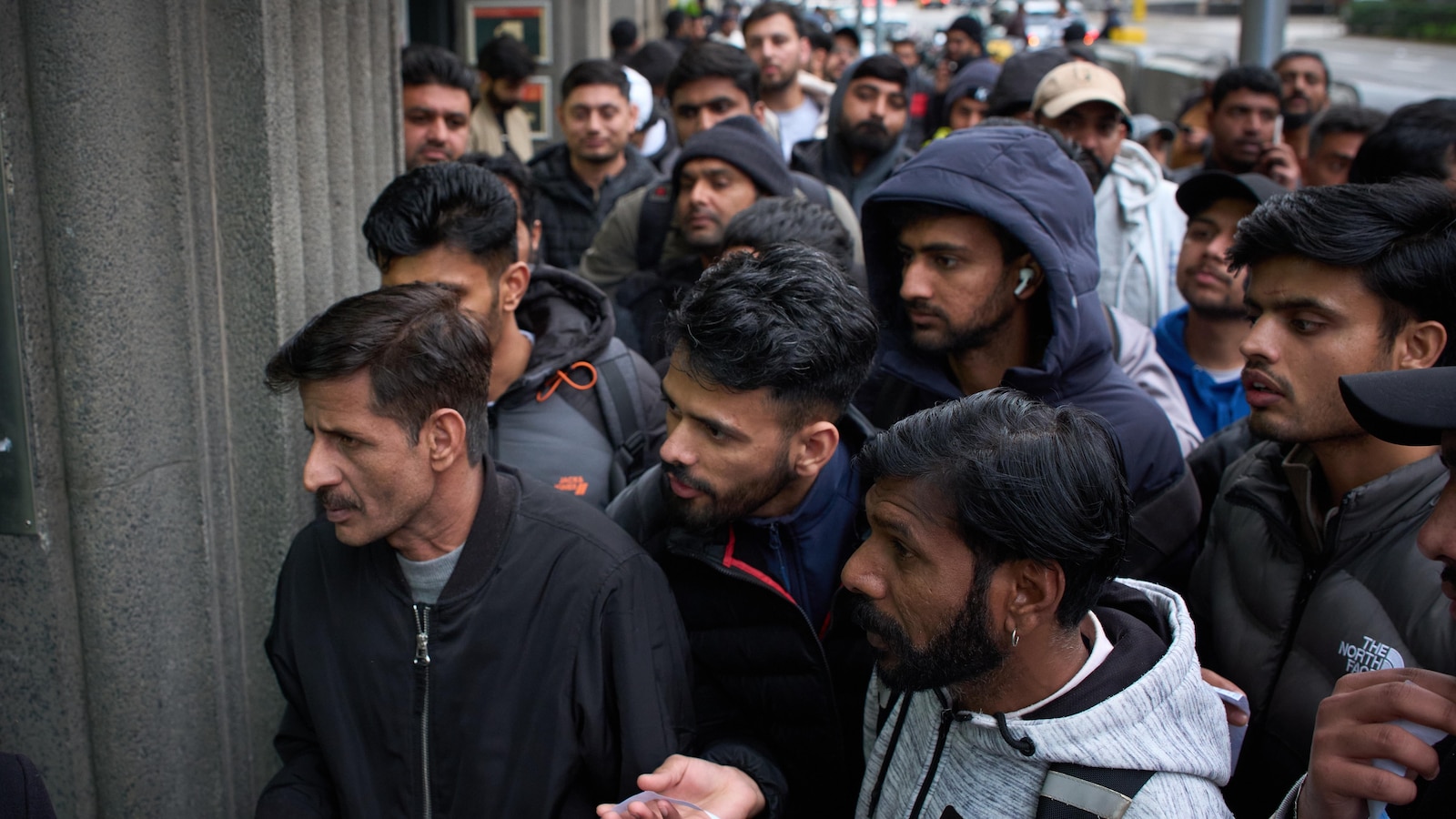
In recent years, Spain has faced a complex immigration landscape, with more than half a million foreigners reportedly residing in the country without legal documentation. As the European Union grapples with rising migration pressures, Spain's government has initiated a series of reforms aimed at integrating these individuals into society. This shift not only reflects a humanitarian approach but also acknowledges the potential economic contributions migrants can offer.
Economic Implications of Migrant Integration
The integration of migrants into Spain's labor market could yield significant economic benefits. As the country seeks to recover from the economic impacts of the COVID-19 pandemic, tapping into this underutilized workforce presents an opportunity to bolster productivity and fill labor shortages in key sectors. Sectors such as agriculture, hospitality, and construction, which have traditionally relied on migrant labor, stand to gain from a more structured and legal workforce.
Social Dynamics and Public Sentiment
Spain's approach to immigration has evolved, reflecting changing public sentiment. While historical waves of migration have sometimes resulted in societal tensions, recent polling indicates a growing acceptance among Spaniards for policies that promote integration. The government's commitment to providing legal pathways for migrants may help mitigate fears associated with undocumented immigration, fostering a more inclusive society.
Challenges Ahead for Integration Initiatives
Despite the optimistic outlook, Spain's integration efforts are not without challenges. The legal and bureaucratic processes involved in regularizing migrants can be complex and time-consuming. Moreover, public services such as healthcare and education must adapt to accommodate an influx of new residents. Ensuring that these services remain accessible and effective will be crucial in maintaining social cohesion and preventing potential backlash against migrants.
Impact on Spanish Businesses
For Spanish businesses, the integration of migrants may present both opportunities and challenges. Companies that embrace diversity and actively recruit from this demographic can enhance their competitive edge. However, there may be resistance from businesses accustomed to traditional hiring practices. To capitalize on the potential of a diverse workforce, firms will need to invest in training and support systems that facilitate the transition of migrants into the workplace.
The Role of International Relations
Spain's immigration policies are also influenced by its relationships with neighboring countries and the broader European Union. As migration remains a contentious issue across the continent, Spain's proactive stance on integration could position it as a leader in setting a precedent for other nations. Collaborative efforts with EU partners to address the root causes of migration could further enhance Spain's role in shaping a more unified approach to this pressing global challenge.
Conclusion: A Path Forward
As Spain navigates the complexities of immigration and integration, the potential for a more inclusive society is on the horizon. By addressing the needs of migrants and leveraging their contributions to the economy, Spain not only stands to benefit economically but also to enrich its cultural fabric. The coming years will be critical in determining how effectively Spain can implement these policies and what impact they will have on both migrants and the broader Spanish society.