


Indonesia's Strategic Move in the Semiconductor Landscape
In a bid to bolster its position in the rapidly evolving semiconductor industry, the Indonesian government has extended an invitation to Malaysia to forge a partnership aimed at developing advanced semiconductor technologies. This initiative aligns with Indonesia's broader strategy to enhance its technological capabilities and reduce reliance on foreign semiconductor imports.
Government Initiatives and Economic Goals
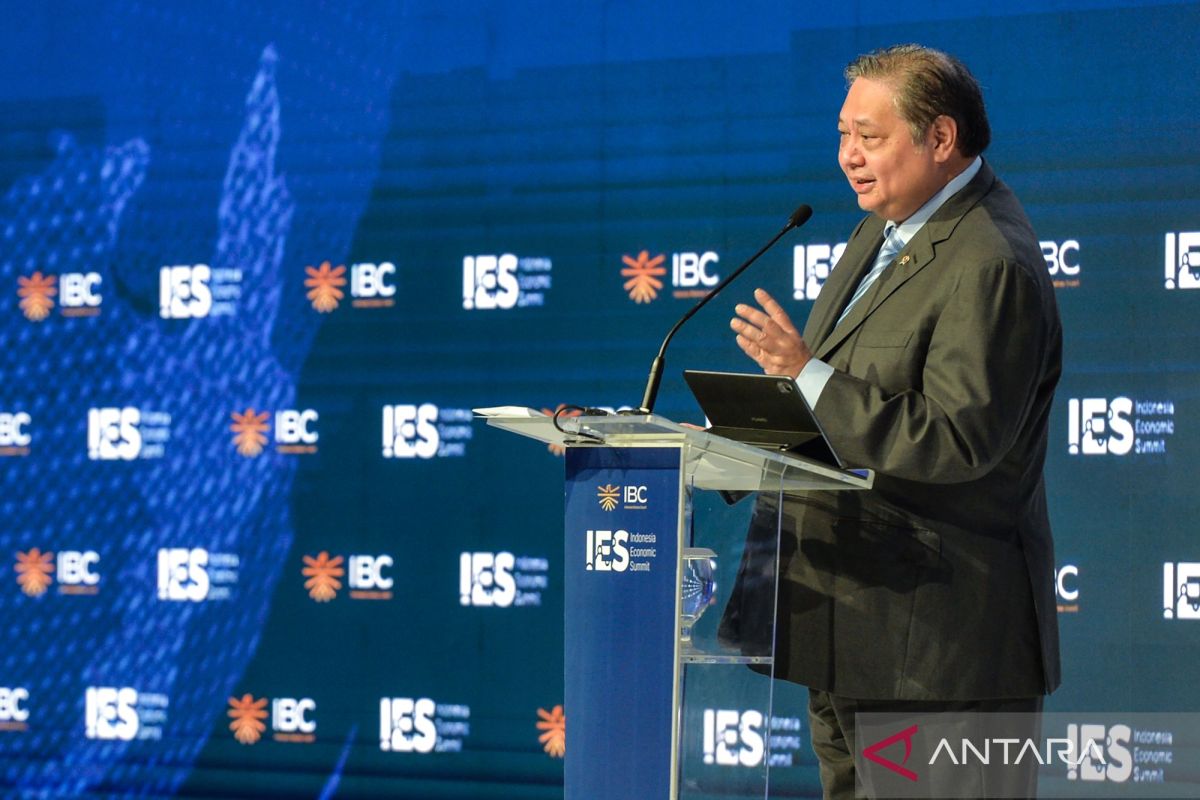
The invitation was formally presented by Indonesia's Coordinating Minister for Economic Affairs, who outlined the country's vision of becoming a regional hub for semiconductor production. This move is part of Indonesia's larger economic agenda, which seeks to diversify its economy and attract foreign investments. By collaborating with Malaysia, Indonesia aims to leverage its neighbor's existing technological expertise and manufacturing capabilities, creating a synergistic effect that could benefit both nations.
Malaysia's Semiconductor Strengths
Malaysia has long been recognized as a significant player in the global semiconductor supply chain, hosting numerous multinational corporations engaged in semiconductor manufacturing and assembly. The country boasts a well-established infrastructure and a skilled workforce, making it an attractive partner for Indonesia as it seeks to enhance its technological prowess. The collaboration could facilitate knowledge transfer and innovation, positioning both countries as key competitors in the global semiconductor market.
Regional Implications and Opportunities
This partnership could have far-reaching implications for the Southeast Asian region. As the demand for semiconductors continues to surge, driven by advancements in technology such as artificial intelligence, 5G, and the Internet of Things, both Indonesia and Malaysia stand to gain from increased production capabilities. By working together, the two nations could potentially create a more robust semiconductor ecosystem that attracts further investments and fosters innovation within the region.
Challenges and Considerations
While the potential for collaboration is significant, several challenges must be addressed to ensure the success of this partnership. Differences in regulatory frameworks, investment climates, and technological capabilities could pose hurdles. Additionally, the semiconductor industry is highly competitive, with established players from countries like Taiwan and South Korea dominating the market. Indonesia and Malaysia will need to devise strategies to overcome these challenges and carve out their niche in the global supply chain.
The Future of Semiconductor Collaboration
Looking ahead, the partnership between Indonesia and Malaysia could serve as a model for regional collaboration in other high-tech industries. As both countries work to strengthen their semiconductor sectors, they may also explore opportunities in research and development, talent exchange programs, and joint ventures. The success of this initiative could not only benefit the two nations but also contribute to the overall growth and competitiveness of Southeast Asia in the global technology landscape.