


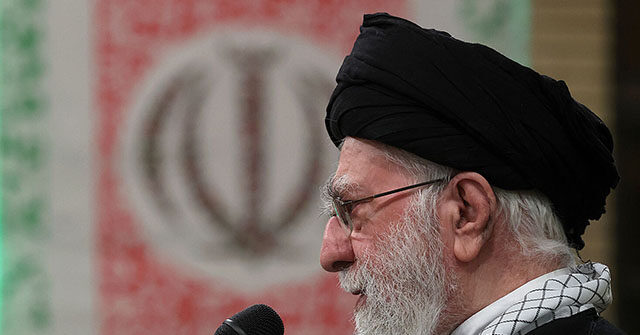
Overview of the Protests in Iran
Since December, Iran has witnessed widespread protests fueled by a combination of social, economic, and political grievances. Initially sparked by dissatisfaction with the government’s handling of various issues, the unrest has escalated into a broader movement against the ruling regime. The protests have drawn attention both domestically and internationally, highlighting the volatile nature of Iran's political landscape.
Arrests of Foreign Nationals
In a significant development, Iranian authorities have confirmed the arrest of 139 foreign nationals in connection with these protests. The arrests, primarily reported in Yazd province, suggest a growing concern by the Iranian government regarding foreign involvement in domestic dissent. Officials have indicated that these arrests are part of a broader crackdown on what they describe as foreign interference in Iran's internal affairs.
Implications for Foreign Relations
The arrest of foreign nationals is likely to strain Iran's relations with other countries, particularly those whose citizens have been detained. Diplomatic tensions may escalate as foreign governments demand the release of their citizens and seek clarification on the circumstances surrounding the arrests. This situation could complicate ongoing negotiations related to Iran’s nuclear program and other geopolitical issues, as countries may reconsider their engagement with Tehran.
Impact on Global Markets
The unrest in Iran and the subsequent arrests may have ripple effects on global markets, particularly in sectors sensitive to geopolitical instability. Investors often react to turmoil in oil-producing nations, and Iran's significant role in global oil supply chains means that any escalation in conflict could lead to fluctuations in oil prices. Market analysts will be closely monitoring the situation, as sustained unrest could disrupt oil exports and affect global energy prices.
Domestic Economic Consequences
The protests and the government’s response may also have profound implications for Iran's economy. With foreign nationals implicated in the protests, the Iranian government may face increased scrutiny over its economic policies and human rights record. Economic sanctions, already a significant burden on the country, could be exacerbated if foreign governments respond to the arrests with punitive measures. This potential for further isolation could hinder Iran's economic recovery and exacerbate already high inflation rates and unemployment levels.
Public Sentiment and Future Protests
The arrests of foreign nationals may also influence public sentiment within Iran. While the government may hope that such actions will deter further protests, history suggests that increased repression can sometimes galvanize opposition movements. The Iranian populace, already frustrated by economic hardships and political repression, may view the arrests as a violation of rights and an indication of the government’s unwillingness to address their grievances. As a result, the potential for renewed protests remains a concern for both the Iranian government and the international community.
Conclusion
The confirmation of 139 foreign nationals arrested in Iran amid ongoing protests poses significant challenges for the Iranian regime. As the situation evolves, the implications for foreign relations, global markets, and domestic stability will be closely monitored. The intersection of domestic dissent and geopolitical tensions will likely shape Iran's trajectory in the coming months, with potential consequences that