


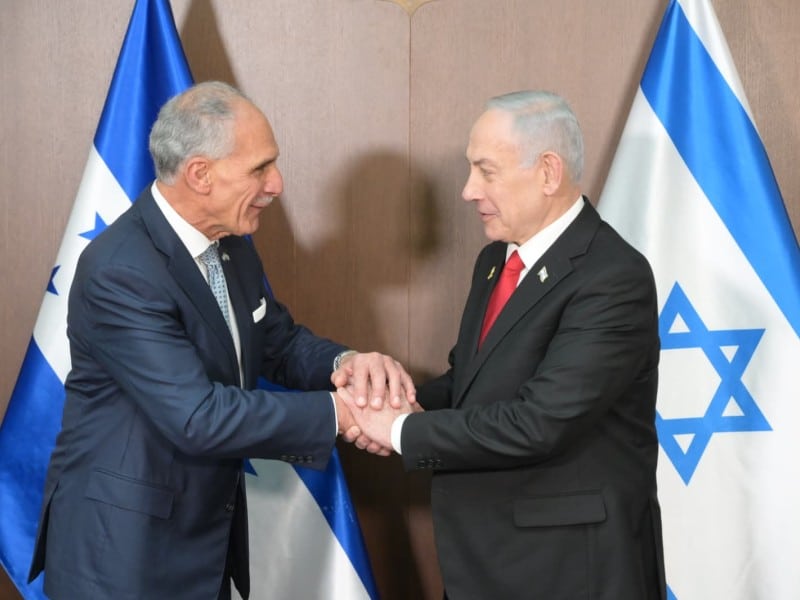
Introduction to a Unique Presidency
In a surprising turn of political events, Nasry ‘Tito’ Asfura has taken the helm as the president of Honduras. A businessman with a background steeped in right-wing Christian Zionism, Asfura brings a unique perspective to the Central American nation. His heritage as the son of Palestinian migrants from the West Bank adds an intriguing layer to his political narrative, particularly as he seeks to strengthen ties with Israel. This article explores the implications of Asfura's presidency on Honduras's international relations and economic landscape.
The Rise of Nasry ‘Tito’ Asfura
Nasry Asfura's ascent to the presidency is marked by a blend of business acumen and political strategy. Prior to his election, he served as the mayor of Tegucigalpa, where he gained recognition for infrastructure projects and urban development initiatives. His background in business has positioned him as a pragmatic leader who prioritizes economic growth and stability. Despite his ties to the United States and a strong alignment with former President Donald Trump, Asfura's election also raises questions about national identity and foreign policy, particularly regarding Israel and Palestine.
A Christian Zionist Agenda
Asfura's alignment with Christian Zionism is a cornerstone of his political identity. This ideology supports the establishment of a Jewish homeland in Israel and often intertwines with evangelical Christian beliefs. As president, Asfura is expected to advocate for policies that reflect these values, potentially reshaping Honduras's diplomatic approach in the region. His commitment to deepening ties with Israel may also influence trade agreements and security cooperation, reinforcing Honduras’s position as a key ally in Central America.
Economic Implications of Closer Ties with Israel
The prospect of closer relations between Honduras and Israel could yield significant economic benefits for the Central American nation. Israel is known for its advanced technology and agricultural innovations, which could be instrumental in addressing some of Honduras’s pressing economic challenges, including food security and infrastructure development. Asfura’s government may seek to establish partnerships that facilitate knowledge transfer and investment in these sectors, fostering sustainable economic growth.
Challenges of Balancing Heritage and Policy
Asfura's Palestinian heritage presents a complex backdrop to his foreign policy decisions. While he actively seeks to foster relationships with Israel, he must navigate the sensitivities surrounding the Israeli-Palestinian conflict. His dual identity could generate skepticism both domestically and internationally. Asfura's administration will need to carefully manage perceptions to ensure that his efforts to strengthen ties with Israel do not alienate segments of the population that identify with the Palestinian cause.
Domestic Response and Political Landscape
The domestic response to Asfura's presidency is mixed. While supporters celebrate his business-oriented approach and commitment to international alliances, critics express concerns about his political affiliations and potential impact on human rights issues. Opposition parties may leverage his background and policies to galvanize dissent, particularly as the nation grapples with longstanding issues of corruption and inequality. The political landscape in Honduras remains