


Introduction to Mexico's Climate Supercomputer Initiative
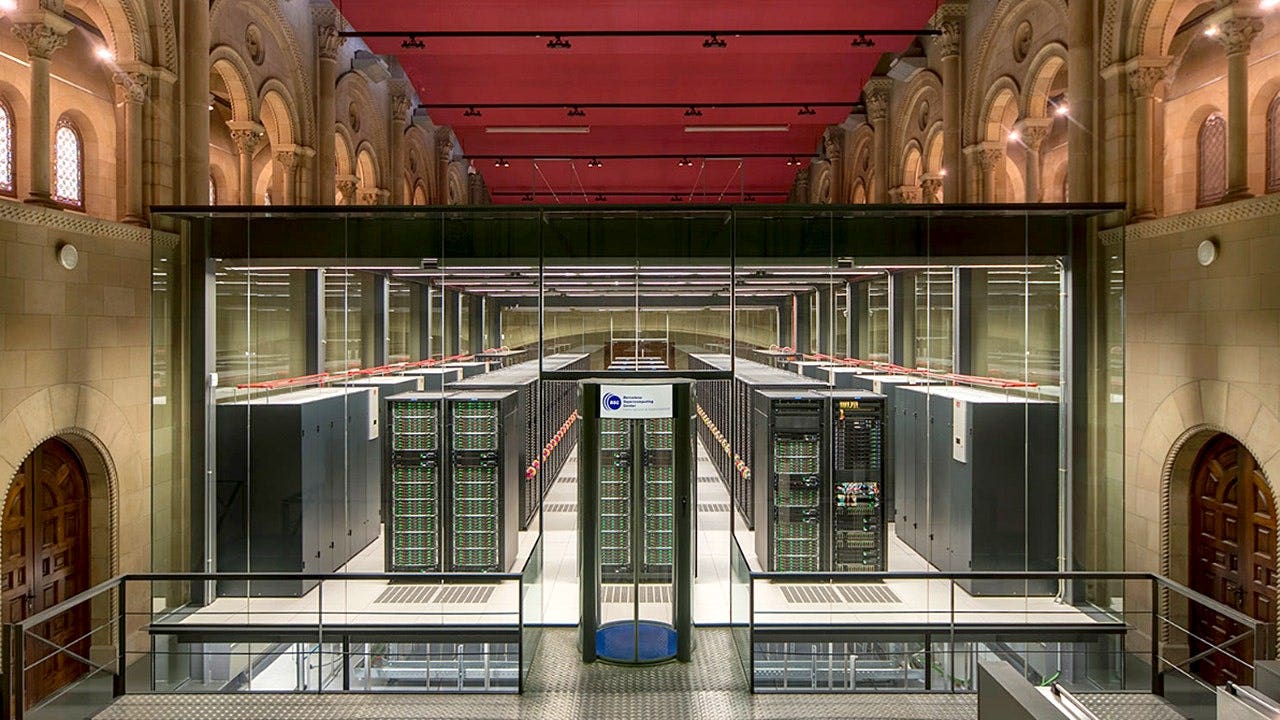
In an ambitious move to enhance its meteorological capabilities, Mexico is investing in the development of the Coatlicue supercomputer. This state-of-the-art computing system aims to revolutionize weather forecasting, enabling sharper predictions and providing earlier warnings for severe storms. As climate change intensifies weather-related phenomena, the need for accurate forecasting has never been greater. The Coatlicue supercomputer represents a significant step forward, not only for Mexico but also for global climate research.
Technological Advancements in Weather Forecasting
The Coatlicue supercomputer is poised to integrate advanced computing technologies with meteorological science. By leveraging high-performance computing, the system will utilize vast amounts of data to create more precise climate models. Traditional forecasting methods often struggle with the complexity of climate systems, leading to inaccuracies that can have serious implications for public safety and economic stability. The introduction of the Coatlicue supercomputer could substantially mitigate these issues, offering more reliable forecasts that can better inform decision-making processes.
Impact on Storm Prediction and Public Safety
One of the primary objectives of the Coatlicue supercomputer is to improve storm prediction capabilities. Mexico, situated in a region frequently impacted by hurricanes and tropical storms, stands to benefit significantly from enhanced forecasting accuracy. Early and accurate storm warnings can save lives and reduce economic losses by allowing communities to prepare and respond effectively. The supercomputer will analyze historical weather patterns, current conditions, and various climate models to generate timely alerts, giving residents and authorities crucial information to act upon.
Support for Artificial Intelligence Research
Beyond weather forecasting, the Coatlicue supercomputer is expected to play a pivotal role in supporting artificial intelligence (AI) research. The integration of AI with climate science has the potential to unlock new insights into weather patterns and climate change impacts. Researchers will be able to harness the supercomputer's processing power to run complex simulations and develop AI algorithms that can predict weather events with greater precision. This synergy between AI and meteorology could lead to breakthroughs in our understanding of climate systems and their interactions.
Investment and Economic Implications
The Mexican government's commitment to the Coatlicue supercomputer is indicative of a broader trend towards investing in technology-driven solutions for climate challenges. The project is expected to attract both domestic and international investments, positioning Mexico as a leader in climate research and technology. The economic implications are significant; improved weather forecasting can enhance agricultural productivity, protect infrastructure investments, and reduce disaster-related costs. In a country where natural disasters can severely impact economic stability, such advancements could yield substantial long-term benefits.
Global Significance of Mexico's Initiative
The Coatlicue supercomputer's implications extend beyond Mexico's borders. As climate change continues to pose threats worldwide, the advancements made through this initiative could serve as a model for other nations. Countries facing similar challenges may look to Mexico's efforts as a blueprint for integrating technology into climate science. Collaborative research initiatives and data sharing could emerge from this project, fostering a global approach to tackling climate-related issues.
Challenges and Considerations Ahead
While the potential benefits of the Coatlicue supercomputer are vast, challenges remain. The successful implementation of such a complex system requires not only significant financial investment but also skilled personnel capable of operating and maintaining the technology. Additionally, there are concerns about data privacy and security, particularly as weather data becomes increasingly intertwined with AI applications. Addressing these challenges will be crucial to ensuring the supercomputer achieves its intended goals.
Future Outlook for Climate Forecasting
As the development of the Coatlicue supercomputer progresses, the future of climate forecasting looks promising. The integration of advanced technologies, such as AI and machine learning, alongside high-performance computing, is set to redefine how meteorologists operate. Enhanced forecasting capabilities could lead to more resilient communities as they adapt to the changing climate. The project underscores the importance of innovation in addressing global challenges, illustrating how technology can serve as a powerful tool in the fight against climate change.
Conclusion: A New Era of Meteorological Innovation
Mexico's Coatlicue supercomputer represents a significant leap forward in the realm of weather forecasting and climate research. By harnessing the power of advanced technology, Mexico is not only addressing its own climate-related challenges but also contributing to the global effort to understand and mitigate the impacts of climate change. As the project unfolds, it will be closely watched by other nations and researchers, eager to learn from Mexico's pioneering approach. The successful implementation of the Coatlicue supercomputer could usher in a new era of meteorological innovation, ultimately leading to safer and more informed communities worldwide.