


India's Urban Transformation: The Rise of Tier-Two and Tier-Three Cities
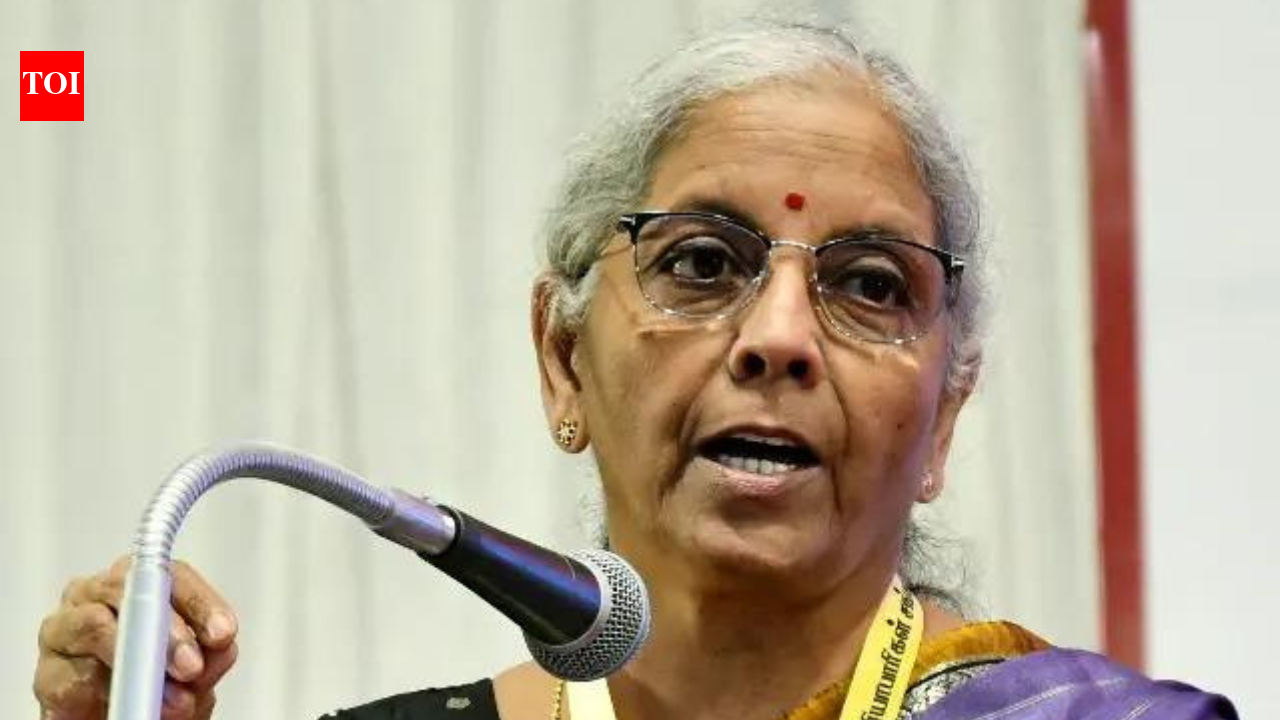
In a significant announcement, Finance Minister Nirmala Sitharaman revealed plans for nearly 500 cities across India to be recognized as potential economic hubs. This initiative is part of a broader strategy to harness the economic potential of the nation's burgeoning middle class, which currently constitutes about 31% of the population. The middle class is not only a critical demographic for consumption but also serves as the cornerstone for economic growth, with consumer spending largely driven by this segment.
As urbanization accelerates, tier-two and tier-three cities are becoming increasingly vital players in the economic landscape. The middle class in these regions is expanding at an impressive rate of 6.3% annually, contributing significantly to consumer demand. This shift in economic activity from metropolitan areas to smaller cities is reshaping India’s economic framework, creating new opportunities for businesses and investors alike.
The Economic Potential of the Middle Class
The middle class in India has emerged as a formidable force, influencing various sectors, from retail to technology. With disposable incomes rising, this demographic is expected to drive nearly all consumer spending in the country. The Finance Minister’s assertion that nearly 500 cities will become economic hubs underscores the government’s recognition of this demographic's potential.
By focusing on tier-two and tier-three cities, the government aims to decentralize economic growth, reducing the overwhelming concentration in major metropolitan areas. This strategic move is anticipated to not only boost local economies but also alleviate urban congestion and improve living standards in less developed regions.
Investment Opportunities in Emerging Cities
The identification of these nearly 500 cities as future economic hubs opens up a wealth of investment opportunities across various sectors. Real estate, infrastructure, and consumer goods are likely to see heightened interest from both domestic and foreign investors. As these cities develop, the demand for housing, commercial spaces, and modern amenities will surge, creating a favorable environment for real estate development.
Moreover, businesses in sectors such as e-commerce, logistics, and manufacturing can capitalize on the growing consumer base in these cities. With improved connectivity and infrastructure development, tier-two and tier-three cities are poised to become essential nodes in supply chains, further attracting investment and fostering economic growth.
Government Initiatives to Support Economic Growth
The Indian government has laid out several initiatives to support the development of these emerging economic hubs. Investments in infrastructure, including roads, railways, and digital connectivity, are high on the agenda. The government’s push for smart city projects also aims to create a conducive environment for business operations and improve the overall quality of life for residents.
Additionally, policies aimed at enhancing ease of doing business in these cities are being implemented. Simplifying regulatory frameworks and providing incentives for businesses to set up operations in smaller cities can stimulate economic activity and attract talent, further contributing to growth.
The Role of Technology in Urban Development
Technology is set to play a pivotal role in the transformation of these cities into economic hubs. Digital platforms are increasingly facilitating e-commerce and service delivery, allowing local businesses to reach wider markets. Furthermore, advancements in technology are enabling better data collection and analysis, helping policymakers make informed decisions regarding urban planning and resource allocation.
As the middle class in these cities grows more tech-savvy, businesses that leverage technology to enhance customer engagement and operational efficiency are likely to thrive. The integration of technology in urban infrastructure, such as smart traffic management systems and energy-efficient buildings, will also contribute to sustainable urban development.
Challenges Ahead for Emerging Economic Hubs
While the potential for growth in nearly 500 cities is promising, several challenges must be addressed to realize this vision fully. Infrastructure deficits remain a significant hurdle, as many smaller cities still lack adequate facilities to support rapid economic expansion. Addressing these gaps will require substantial investment and coordinated efforts between government and private sectors.
Additionally, attracting and retaining talent in these emerging hubs can prove challenging. The allure of metropolitan cities often overshadows opportunities in smaller towns and cities, making it crucial for local governments to create attractive living conditions and career prospects to draw skilled workers.
The Impact on the Broader Economy
The transformation of nearly 500 cities into economic hubs is expected to have a ripple effect across the broader Indian economy. As these cities grow, they will contribute to GDP growth, create jobs, and enhance regional development. This decentralization of economic activity can lead to a more balanced economic landscape, reducing disparities between urban and rural areas.
Moreover, increased consumer spending in these cities will drive demand across various sectors, leading to a more robust domestic market. As the middle class continues to expand, businesses will need to adapt their strategies to cater to the evolving preferences and needs of consumers in these emerging economic landscapes.
Conclusion: A New Era for India's Economic Landscape
The announcement by Finance Minister Nirmala Sitharaman marks a pivotal moment in India's economic trajectory. The focus on nearly 500 cities as future economic hubs reflects a strategic shift towards inclusive growth, leveraging the power of the expanding middle class. While challenges remain, the potential for these cities to drive economic development is significant.
As businesses and investors turn their attention to these emerging hubs, the next decade could witness a remarkable transformation in India's economic landscape. With the right policies, investments, and technological advancements, these tier-two and tier-three cities could very well become the engines of India's economic growth, shaping a new era for the nation.