


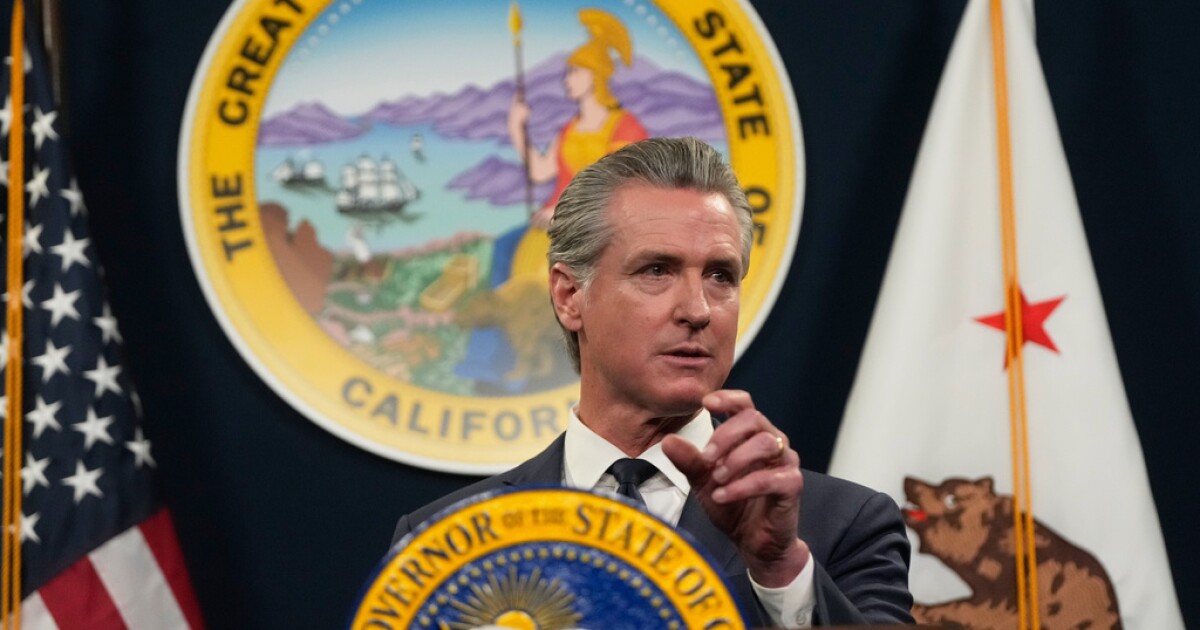
Governor Newsom's Fiscal Vision: A $350 Billion Spending Blueprint
California Governor Gavin Newsom has unveiled his final budget proposal, presenting a comprehensive fiscal plan that amounts to $350 billion. This announcement comes as the state grapples with a complex economic landscape, characterized by a mix of fiscal challenges and resilient revenue streams. Notably, the budget aims to maintain a balanced approach, avoiding any deficits while introducing new spending initiatives that reflect the administration's priorities.
Key Components of the Budget Proposal
The proposed budget is largely centered around maintaining existing programs and services rather than initiating major new expenditures. It reflects a strategic decision to prioritize stability in state finances while also addressing critical areas of public concern. Governor Newsom emphasized that the budget is designed to support California's recovery from the economic impacts of the COVID-19 pandemic, while also preparing for future uncertainties.
Among the notable allocations in the budget, funding for education remains a top priority. The proposal includes significant investments aimed at enhancing K-12 education and increasing support for community colleges. These educational initiatives are expected to provide a foundation for workforce development in a state that is increasingly focused on technological innovation and sustainability.
Healthcare and Social Services Funding
The budget also outlines substantial investments in healthcare and social services. With the ongoing challenges posed by the pandemic, California is looking to bolster its healthcare infrastructure. The proposal allocates funds to expand access to mental health services and substance abuse treatment, addressing a growing need in the community.
Furthermore, the budget seeks to enhance support for low-income households, including increased funding for housing assistance programs. By addressing these social determinants of health, the state aims to create a more equitable environment for all Californians, particularly those disproportionately affected by economic downturns.
Infrastructure Investments: A Sustainable Future
Recognizing the importance of infrastructure in fostering economic growth, the budget includes allocations for transportation and green energy projects. Governor Newsom's administration has made a commitment to sustainability, and this budget reflects that ethos by investing in renewable energy initiatives and modernizing public transport systems.
These infrastructure investments are not only expected to create jobs but also to position California as a leader in the transition to a greener economy. By prioritizing clean energy, the state aims to reduce its carbon footprint while stimulating economic activity in emerging sectors.
Balancing Act: Avoiding Major Cuts
One of the most significant aspects of Governor Newsom's budget proposal is its avoidance of major cuts to existing programs. In a time when many states are grappling with budget deficits, California's ability to present a balanced budget without drastic reductions in services is noteworthy. This approach reflects a commitment to preserving essential services while still fostering economic growth.
The decision to avoid cuts may also be seen as a strategic move to bolster public support ahead of the upcoming election cycle. By maintaining funding for key services, the administration seeks to reinforce its standing with voters who may be concerned about the implications of austerity measures.
Revenue Projections and Economic Outlook
The balanced nature of the budget is underpinned by optimistic revenue projections. California's economy has demonstrated resilience, with strong tax revenues being driven by a robust technology sector and high-income earners. However, the state remains cautious about future economic uncertainties, including potential fluctuations in the stock market and the ongoing impacts of inflation.
Governor Newsom's administration has emphasized the importance of prudent fiscal management, ensuring that the state is prepared for potential downturns. By maintaining a balanced budget, California is positioning itself to navigate future challenges without compromising its commitment to its residents.
Political Reactions and Implications
The budget proposal has elicited mixed reactions from various stakeholders. Supporters praise the administration's focus on education, healthcare, and infrastructure, viewing it as a comprehensive approach to address pressing issues. Conversely, critics argue that the lack of significant new spending could limit opportunities for transformative initiatives that could further propel the state's economic growth.
As the proposal moves through the legislative process, it will likely face scrutiny from both sides of the aisle. Lawmakers will need to balance the desire for new investments with the necessity of maintaining fiscal discipline. The outcome of these discussions could set the tone for California's economic trajectory in the years to come.
Conclusion: A Strategic Approach to Fiscal Stability
Governor Newsom's final budget proposal represents a calculated approach to fiscal management amid a complex economic landscape. By prioritizing stability and avoiding major cuts, the administration aims to foster a resilient environment for Californians while addressing critical areas such as education, healthcare, and infrastructure.
As the budget undergoes legislative review, its ultimate impact will depend on the ability of lawmakers to navigate competing priorities. The stakes are high, as the choices made in the coming months will shape the future of California's economy and its ability to respond to both current challenges and those on the horizon.