


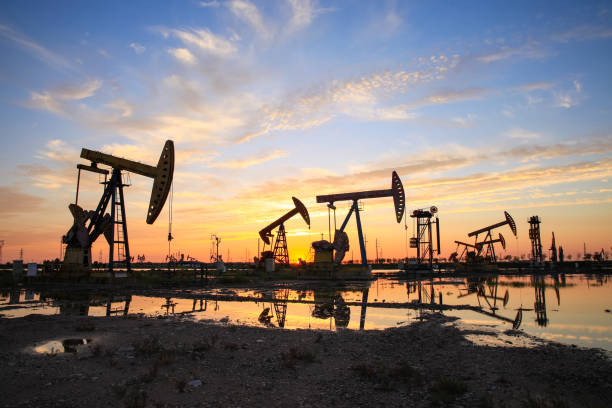
The Unfolding Crisis in Oil Refining
In recent weeks, the oil markets have been shaken by a series of unexpected events that have led to significant disruptions in refining operations across North America. With ten major refineries facing operational challenges over a span of just 21 days, industry analysts are grappling with the implications for both supply and pricing in an already volatile market. The timing and scale of these incidents have raised questions regarding their correlation and potential long-term impact on the oil sector.
Understanding the Incidents
The series of refinery issues began with a significant fire at a facility in Texas, which was quickly followed by operational outages at refineries in Louisiana, California, and Illinois. Each incident was unique, with causes ranging from equipment failure to safety violations, but the cumulative effect has been a substantial reduction in refining capacity. Analysts suggest that the timing of these failures is particularly concerning, as they coincide with a period of rising demand due to seasonal factors and geopolitical tensions that have already strained oil supplies.
Market Reactions and Price Fluctuations
In response to the refinery outages, crude oil prices have seen a notable uptick, reaching levels not witnessed since early 2022. The West Texas Intermediate (WTI) benchmark surged in value, reflecting market fears of tighter supply chains. While crude prices are influenced by a myriad of factors, including OPEC+ production decisions and international conflicts, the immediate reactions to the refinery disruptions have been particularly pronounced. Traders are closely monitoring the situation, with many adjusting their positions in anticipation of further price volatility.
The Ripple Effect on Gasoline Prices
As refineries struggle to maintain their output, the implications for gasoline prices are becoming increasingly clear. With fewer barrels being processed, consumers may soon feel the pinch at the pump. Analysts predict that gasoline prices could rise by as much as 10-15% in the coming weeks if the disruptions continue. This potential increase not only affects consumers but also has broader implications for inflation, as higher fuel costs can drive up transportation and goods prices across the economy.
Geopolitical Factors and Supply Chain Vulnerabilities
The current situation is further complicated by geopolitical tensions that have already put a strain on global oil supply chains. Ongoing conflicts in regions such as the Middle East and Eastern Europe have created a precarious environment for oil producers and refiners alike. As these geopolitical factors intertwine with domestic refinery issues, the risk of a more pronounced supply crisis looms large. Industry experts are urging stakeholders to consider the geopolitical landscape when assessing the potential for further disruptions.
The Role of Technological Advancements
In light of the recent refinery outages, the discussion around technological advancements in the oil refining sector has gained momentum. Many industry leaders are advocating for increased investment in modernizing aging refineries and implementing more robust safety protocols. Innovations such as predictive maintenance and real-time monitoring systems could mitigate the risk of unexpected shutdowns, ultimately leading to a more resilient refining infrastructure.
Implications for Investors and Stakeholders
For investors in the energy sector, the recent refinery issues present both challenges and opportunities. While the immediate reaction has been upward pressure on crude prices, the long-term implications of sustained refinery outages could also influence investment strategies. Stakeholders are advised to keep a close watch on refinery operations, as any further disruptions could lead to more significant shifts in market dynamics.
Environmental Considerations in Refining Operations
As the oil industry grapples with operational challenges, environmental considerations remain at the forefront of discussions. The recent incidents have reignited debates around the sustainability of fossil fuel reliance and the push for cleaner energy alternatives. While the immediate focus is on resolving refinery outages, the long-term trajectory of the oil industry may increasingly hinge on its ability to adapt to evolving environmental regulations and market demands for greener practices.
Future Outlook: Navigating Uncertainty
Looking ahead, the outlook for the oil refining sector remains uncertain. Industry experts are divided on whether the recent incidents are isolated anomalies or indicative of deeper systemic issues within the refining landscape. As stakeholders navigate this complex environment, the focus will likely shift toward enhancing operational resilience and adapting to an ever-changing market landscape.
Conclusion: The Need for Vigilance
The recent spate of refinery disruptions serves as a stark reminder of the vulnerabilities present in the oil supply chain. With geopolitical tensions, rising demand, and aging infrastructure all contributing to the current crisis, vigilance is paramount for industry participants. As the market grapples with these challenges, the path forward will require a concerted effort to bolster resilience, enhance safety protocols, and adapt to the evolving landscape of energy production and consumption.