


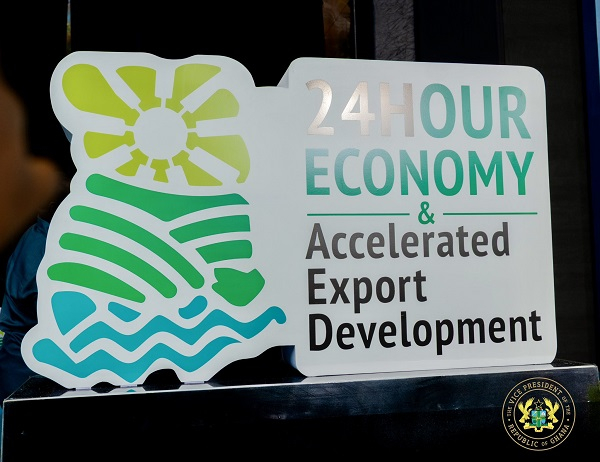
Introduction to the 24-Hour Economy Authority Bill
The recent passage of the 24-Hour Economy Authority Bill by Parliament marks a significant step toward the establishment of a framework designed to enhance economic activity around the clock. This initiative is part of a broader strategy aimed at fostering growth in various sectors while boosting export capabilities. The bill is expected to create a regulatory body that will oversee and implement the government’s ambitious 24-Hour Economy and Accelerated Export Development Programme.
Objectives of the 24-Hour Economy Initiative
The primary objective of the 24-Hour Economy initiative is to stimulate economic growth by maximizing the utilization of resources at all hours of the day. By promoting a continuous economic cycle, the government aims to attract foreign investment, enhance local business operations, and create job opportunities. The initiative will also focus on sectors with high export potential, thereby contributing to a more favorable trade balance.
Implications for Businesses and Entrepreneurs
The establishment of the 24-Hour Economy Authority is likely to have profound implications for businesses, particularly in sectors such as retail, hospitality, and manufacturing. By enabling a round-the-clock operational framework, businesses will have the opportunity to increase their productivity and revenue streams. Entrepreneurs may also benefit from extended hours of operation, allowing for greater flexibility in meeting consumer demands.
Potential Economic Impact
Economists predict that the implementation of the 24-Hour Economy Authority could lead to a significant boost in GDP. By fostering a more dynamic economic environment, the initiative is expected to enhance the overall competitiveness of the nation's industries on a global scale. Furthermore, the focus on accelerated export development is anticipated to open new markets for local producers, thereby increasing their reach and profitability.
Challenges and Considerations
While the potential benefits of the 24-Hour Economy Authority are substantial, there are challenges that must be addressed. The successful implementation of this initiative will require careful planning and coordination among various stakeholders, including government agencies, business leaders, and labor organizations. Concerns regarding worker rights, safety, and fair wages during extended hours of operation must also be prioritized to ensure a sustainable model.
Conclusion: A New Era for Economic Development
The passage of the 24-Hour Economy Authority Bill signifies a pivotal moment in the country’s economic landscape. By creating a regulatory framework to support continuous economic activity, the government is setting the stage for a more vibrant and resilient economy. As the initiative unfolds, the focus will be on balancing growth with social responsibility, ensuring that the benefits of a 24-hour economy are equitably distributed among all citizens.