


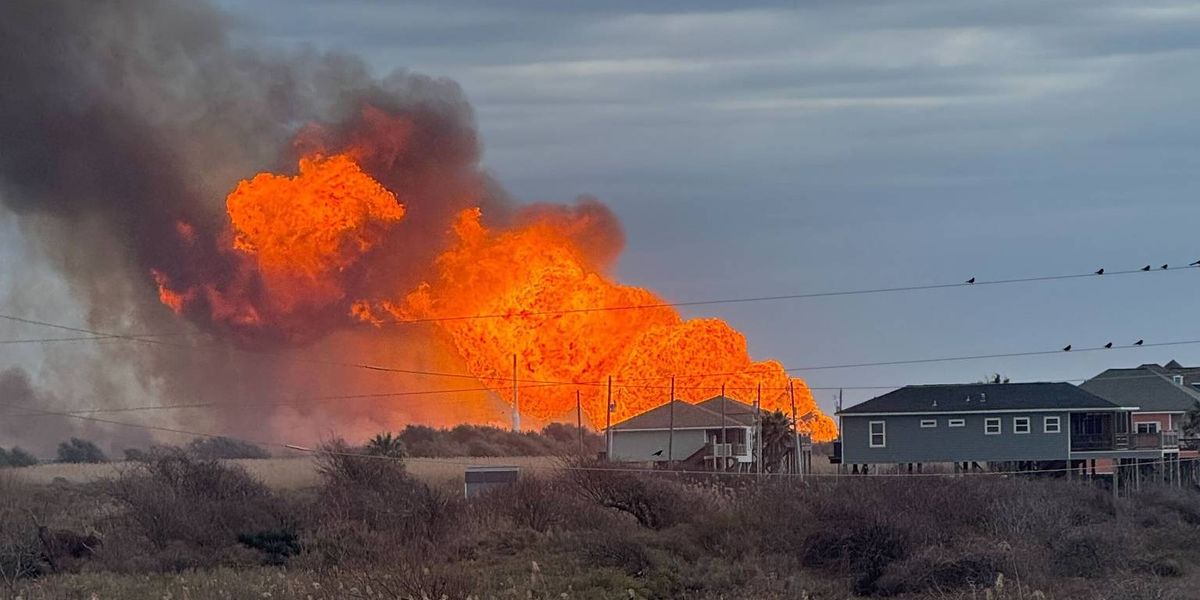
Overview of the Cameron Parish Incident
A recent pipeline explosion in Cameron Parish, Louisiana, has reignited concerns about the safety risks associated with the burgeoning liquefied natural gas (LNG) sector. The explosion, which resulted in significant damage and raised alarms among local residents and environmental advocates, serves as a stark reminder of the potential hazards linked to the rapid expansion of oil and gas infrastructure. As the U.S. aims to increase its energy production capabilities, the incident underscores the urgent need for enhanced regulatory oversight.
Implications for the Liquefied Natural Gas Sector
The explosion in Cameron Parish occurred amid a broader context of aggressive LNG development in the region. Louisiana has emerged as a critical hub for LNG exports, with numerous projects underway to capitalize on surging global demand. However, the risks associated with such rapid expansion cannot be overlooked. Industry advocates tout the economic benefits and job creation associated with these projects, yet the dangers they pose to local communities and the environment must be balanced against these advantages.
Regulatory Oversight: A Call for Action
In the wake of the explosion, frontline advocates are urging regulators to take a more proactive approach in ensuring the safety of existing and future pipeline projects. The incident highlights potential gaps in regulatory frameworks that may not adequately address the evolving risks associated with LNG transportation and storage. Advocates argue that without stringent safety measures, communities near these projects may face heightened risks of accidents, which can have devastating consequences.
Economic Versus Environmental Considerations
The economic implications of the LNG boom are significant, with Louisiana poised to benefit from increased investment and job opportunities. However, the environmental impact of such projects remains a contentious issue. Critics argue that the focus on economic growth must not come at the expense of public safety and environmental integrity. The Cameron Parish explosion serves as a critical juncture for policymakers, who must reconcile the dual objectives of fostering economic development while protecting communities and ecosystems.
Community Response and Future Outlook
The local community's response to the explosion has been one of heightened concern and demand for accountability from both the industry and regulators. Residents are calling for transparency regarding safety protocols and emergency response measures, emphasizing the need for a collaborative approach between stakeholders. As the LNG industry continues to expand, the voices of affected communities will likely play an increasingly prominent role in shaping policy discussions and regulatory frameworks.
Conclusion: Balancing Growth and Safety
The Cameron Parish pipeline explosion serves as a critical reminder of the inherent risks associated with the rapid expansion of the LNG sector. As the U.S. seeks to solidify its position as a leader in global energy markets, regulators must prioritize safety and environmental protection in their oversight efforts. The lessons learned from this incident could pave the way for more robust regulations that not only support economic growth but also safeguard the well-being of local communities and the environment.