


Conservation Efforts Intensify in West Sumatra
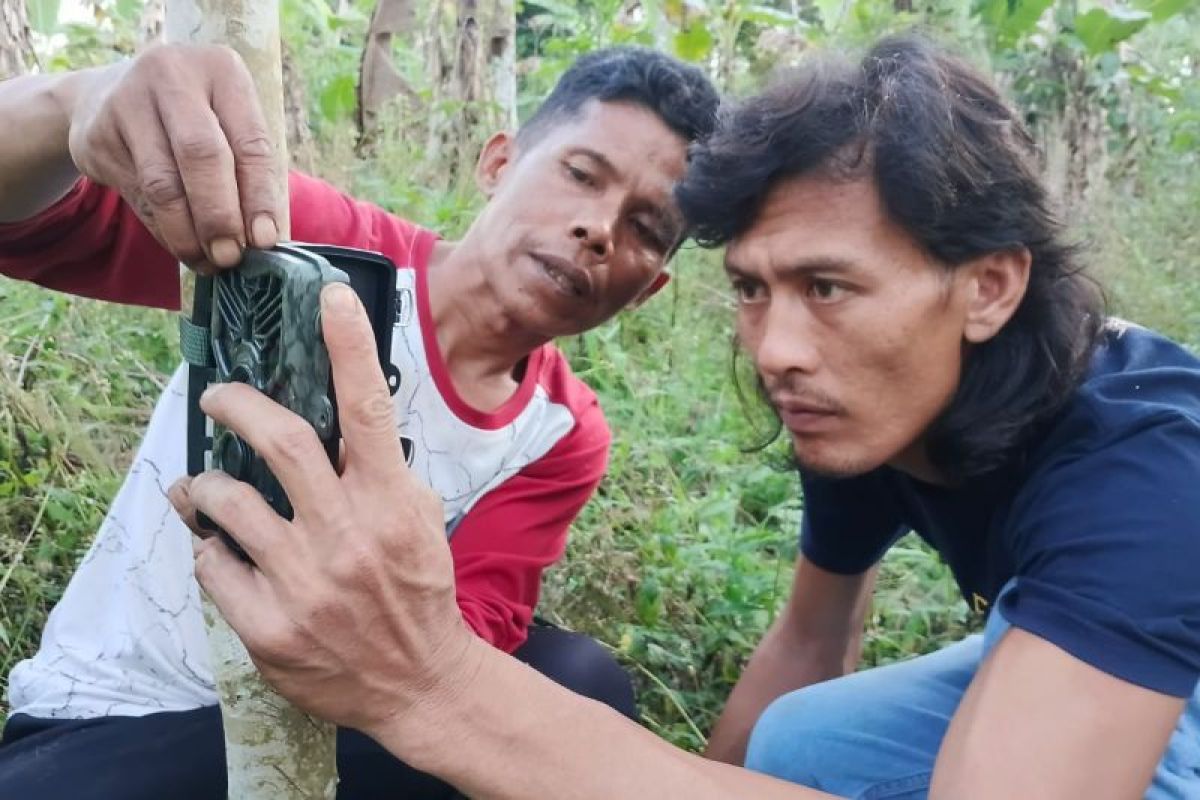
In a significant move to bolster wildlife conservation efforts, Indonesia's West Sumatra conservation agency has deployed six camera traps following a recent sighting of a Sumatran tiger near a village plantation in Agam. This initiative underscores the ongoing challenges faced by local wildlife amidst encroaching human activities, and it highlights the urgent need for effective measures to protect endangered species in the region.
The Sumatran Tiger: A Species Under Threat
The Sumatran tiger (Panthera tigris sumatrae) is one of the most critically endangered tiger subspecies, with estimates suggesting that fewer than 400 individuals remain in the wild. Habitat loss due to deforestation and agricultural expansion, coupled with poaching and human-wildlife conflict, has put immense pressure on their populations. The recent sighting in Agam not only raises concerns about the survival of this majestic creature but also emphasizes the need for immediate and sustained conservation efforts.
Camera Traps: A Tool for Monitoring Wildlife
The installation of camera traps represents a proactive approach to wildlife conservation. These devices allow researchers and conservationists to monitor animal movements, behavior, and population dynamics without disturbing their natural habitats. In the case of the Sumatran tiger, the camera traps will provide valuable data on the tiger’s range and interactions with local human populations. This information is crucial for developing strategies to mitigate human-tiger conflicts and promote coexistence.
Impact on Local Communities and Agriculture
As conservation efforts ramp up in Agam, local communities are likely to experience both challenges and opportunities. While the presence of a Sumatran tiger may evoke fear among residents, particularly those engaged in agriculture, it also presents an opportunity for eco-tourism and sustainable development. If managed effectively, the local government could harness the tiger’s presence to attract tourists, potentially boosting the economy and fostering a greater appreciation for wildlife conservation.
Government and NGO Collaborations
The deployment of camera traps is just one facet of a larger conservation strategy that involves collaboration between government agencies, non-governmental organizations (NGOs), and local communities. These partnerships are essential in creating comprehensive conservation plans that address both ecological needs and socio-economic realities. By involving local stakeholders in conservation efforts, the likelihood of successful outcomes increases, as communities are more likely to support initiatives that benefit their livelihoods.
Challenges in Conservation Amidst Economic Pressures
Despite the positive strides being made in wildlife conservation, the economic pressures facing Indonesia cannot be overlooked. The demand for land for agriculture, particularly palm oil and rubber plantations, continues to threaten natural habitats. This tension between economic development and conservation presents a complex challenge for policymakers who must balance the needs of local communities with the imperative to protect endangered species.
Long-term Vision for Wildlife Preservation
Looking ahead, the conservation agency's efforts in West Sumatra must be part of a broader, long-term vision for wildlife preservation in Indonesia. This vision should include stronger legal protections