


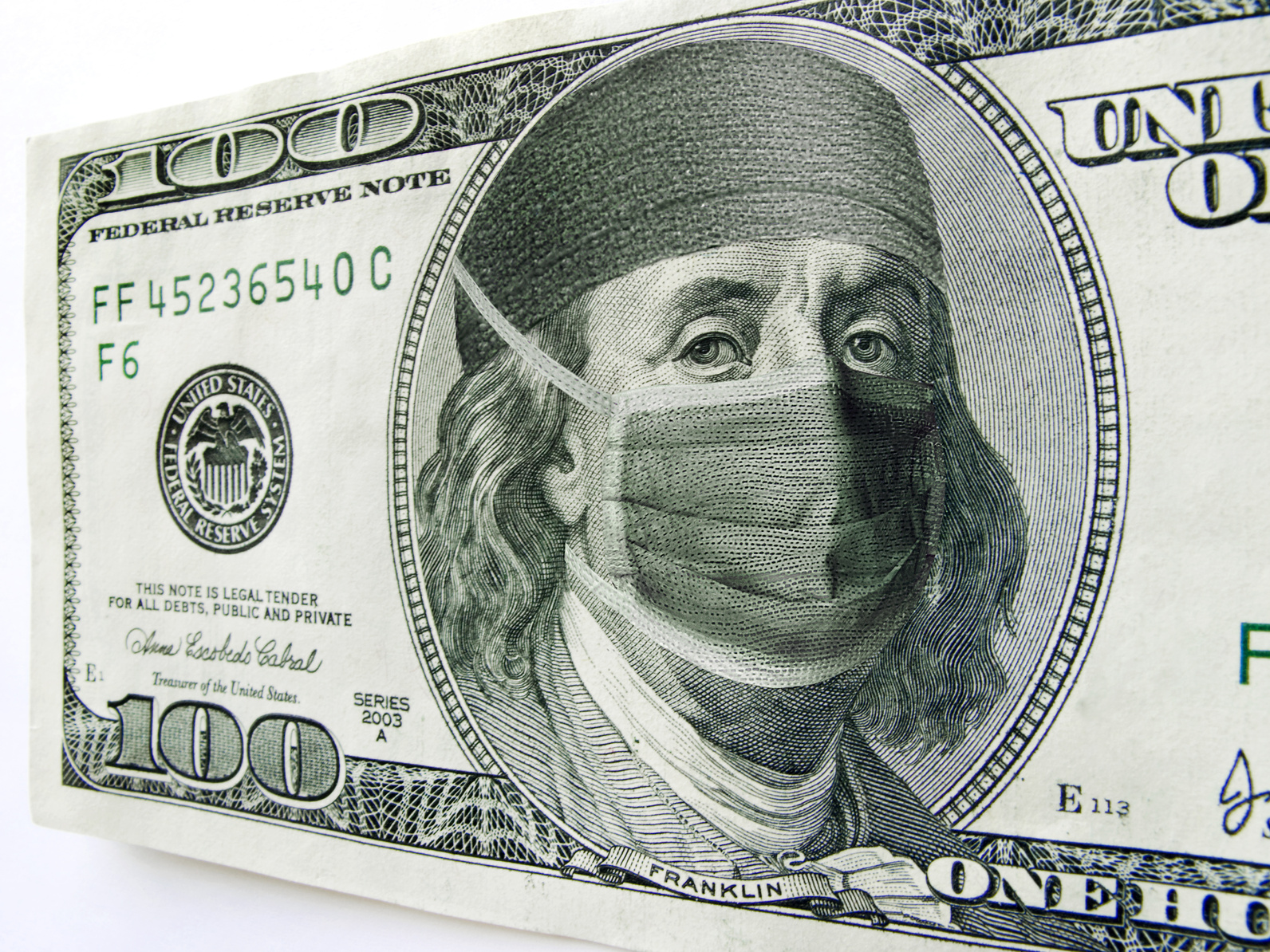
The Financial Burden of Government-Run Health Care on Small Businesses
The National Federation of Independent Business (NFIB) has raised significant concerns regarding the potential implementation of a government-run health care system in the United States. According to the NFIB, small businesses, which comprise a substantial portion of the U.S. economy, may find themselves unable to bear the financial implications of such a program. The organization argues that the rising costs associated with government health care could lead to detrimental effects on small business operations, growth, and overall economic stability.
Understanding the Cost Dynamics
Small businesses are often characterized by limited resources and tighter budgets compared to their larger counterparts. The NFIB's analysis indicates that a government-run health care system could impose substantial costs on small business owners, either directly through increased taxes or indirectly through higher operational costs. The complexity of navigating these costs could deter entrepreneurs from hiring new employees, expanding operations, or even continuing their businesses altogether.
The NFIB's report highlights that small businesses already face considerable challenges in providing health insurance to their employees. With the introduction of a government-run system, many small business owners fear that they would be forced to compete with a potentially subsidized public option, leading to a decrease in their ability to offer competitive wages and benefits. This could exacerbate existing disparities in the labor market, particularly in sectors that rely heavily on small business employment.
Potential Impact on Employment and Growth
The implications of a government-run health care system extend beyond just financial burdens. The NFIB warns that the introduction of such a system could stifle job creation and hinder economic growth. Small businesses are responsible for a significant percentage of new job creation in the U.S., and any factors that inhibit their growth could have far-reaching consequences for the national economy.
Moreover, the NFIB points out that small businesses often operate on thin margins, which means that any increase in costs could lead to difficult decisions regarding staffing levels. Employers may resort to cutting hours, reducing benefits, or even laying off employees to manage the financial impact of a government health care system. Such actions could contribute to an unstable job market, further exacerbating economic uncertainty.
A Call for Policy Considerations
The NFIB is advocating for policymakers to consider the unique challenges faced by small businesses when discussing health care reforms. The organization emphasizes the need for solutions that do not disproportionately burden small enterprises, which are vital for economic dynamism. Instead of a government-run system, the NFIB suggests exploring alternatives that would allow small businesses greater flexibility in managing health care costs while still providing quality coverage for their employees.
One proposed alternative is the expansion of tax credits and incentives for small businesses that offer health insurance. By making it more financially viable for small business owners to provide health care benefits, policymakers could encourage more entrepreneurs to invest in their workforce without the looming threat of an overwhelming government system. This approach could strike a balance between ensuring access to health care and maintaining the financial health of small businesses.
Long-Term Economic Implications
The NFIB