


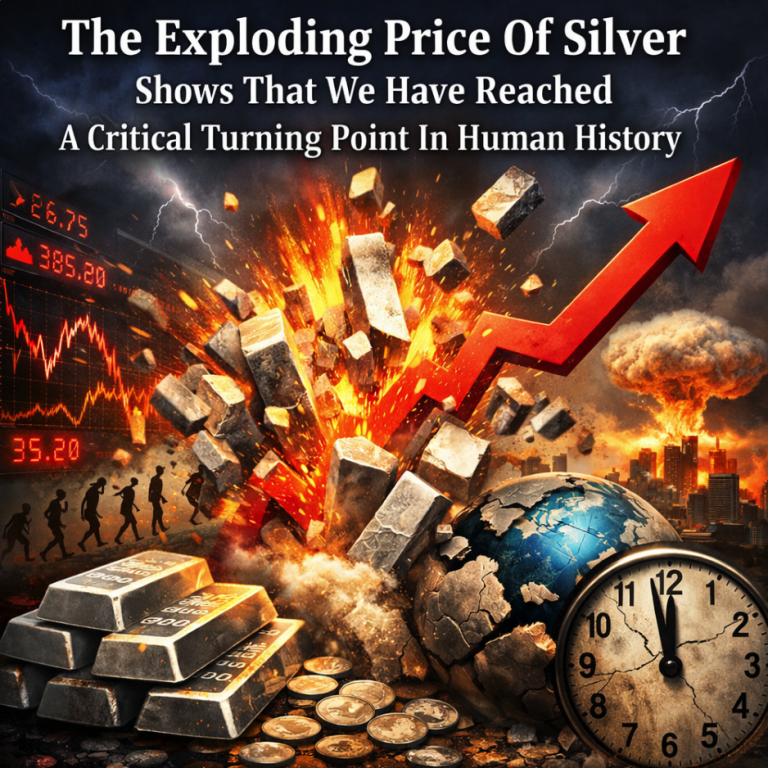
The Rise of Silver: A Shift in Market Dynamics
In recent months, the price of silver has surged dramatically, signaling a potential shift in the global financial landscape. Once relegated to a secondary status behind gold, silver is now capturing attention as a strategic asset in an increasingly volatile market. Investors are reassessing the traditional roles of precious metals amid growing concerns over inflation, currency devaluation, and geopolitical tensions.
Weakness in Western Financial Institutions
The surge in silver prices coincides with observable weaknesses within Western financial institutions. Long-standing assumptions about the stability and dominance of these institutions are being challenged as economic disparities widen. Many analysts argue that the traditional mechanisms of controlling commodity prices are losing their effectiveness, leading to a more pronounced response in the silver market.
Global Economic Uncertainty and Silver's Appeal
As inflation rates climb and central banks grapple with interest rate policies, silver has become an attractive hedge for investors seeking refuge from economic uncertainty. Unlike gold, which is often viewed as a safe haven, silver has industrial applications that further enhance its appeal. The rise of green technologies and renewable energy sectors, which require silver for solar panels and electric vehicles, adds a layer of demand that is difficult to ignore.
Market Trends: The Role of Speculation
Market speculation has played a significant role in the recent price explosion of silver. Retail investors, emboldened by social media platforms and online trading, are increasingly participating in silver markets. This demographic shift is altering traditional trading patterns, contributing to heightened volatility and rapid price increases. The impact of speculative trading is further compounded by a growing sentiment that silver is undervalued relative to its historical price levels.
Geopolitical Factors and Supply Chain Disruptions
Geopolitical factors also contribute to the rising price of silver. Trade tensions, particularly between major economies, have led to concerns over supply chain disruptions. Many countries are looking to secure their own silver supplies, which has tightened availability and driven prices higher. Additionally, mining operations around the world face challenges from regulatory changes and environmental concerns, further constraining supply in the face of rising demand.
Looking Ahead: Strategic Implications for Investors
As silver continues to gain traction, investors must navigate an evolving landscape. The implications of the rising price of silver extend beyond immediate market gains; they signal a broader transformation in how wealth is perceived and preserved. Investors may need to reconsider their portfolios, weighing the benefits of incorporating silver against traditional assets like stocks and bonds. The current trajectory suggests that silver's role in the financial ecosystem will only grow more significant in the coming years.
A Critical Turning Point in Human History
The increasing prominence of silver is indicative of a critical turning point in human history. As the global economy grapples with unprecedented challenges, the resurgence of silver as a vital asset reflects deeper societal shifts. Investors and policymakers alike must pay close attention to these trends, as they may redefine conventional financial wisdom and reshape the future of wealth management in an uncertain world