


The Shift in Workplace Dynamics During the Pandemic
As businesses adapted to the unprecedented challenges of the COVID-19 pandemic, a significant transformation occurred in the labor market. For a brief period, the traditional emphasis on physical presence in the workplace was disrupted, leading to a reassessment of productivity metrics. Employers began to focus more on outputs delivered rather than hours logged in a physical office. This shift opened a dialogue about workplace flexibility and the evolving expectations of employees, particularly in terms of work-life balance.
Understanding the New Gender Pay Gap
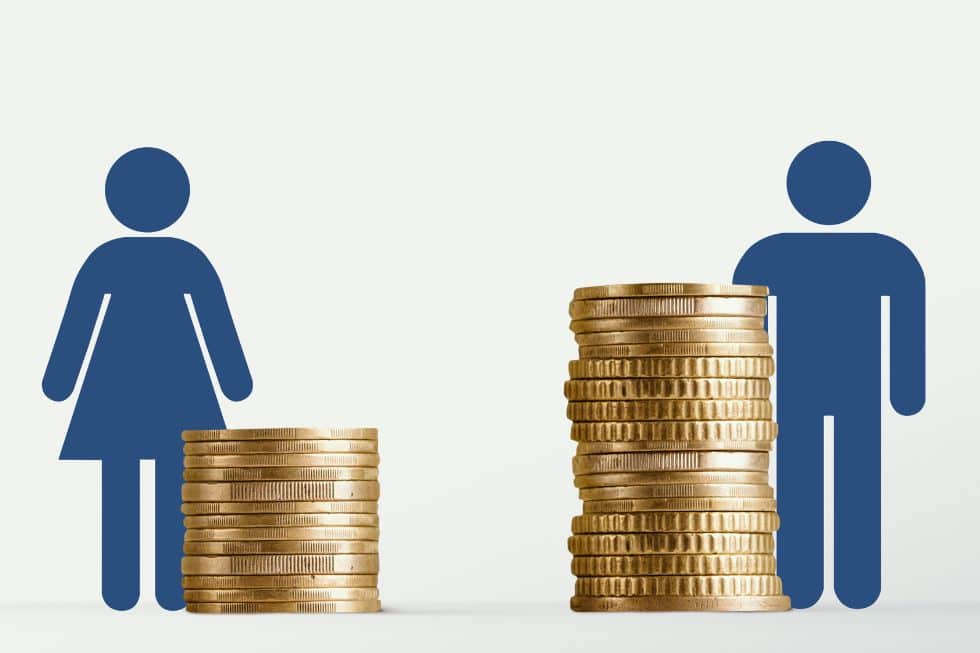
Despite the apparent progress in evaluating productivity based on performance rather than presence, the pandemic did not eradicate existing disparities in pay, particularly along gender lines. The new gender pay gap, often referred to as the "remote work gap," reflects the complex interplay of factors that continue to disadvantage women in the workforce. With many women disproportionately bearing the burden of caregiving responsibilities during the pandemic, their ability to participate fully in remote work environments was often compromised.
The Role of Remote Work in Salary Disparities
Remote work has emerged as a double-edged sword in the context of gender pay equity. While it has provided flexibility for some, it has also highlighted the challenges faced by many women who must balance professional and personal responsibilities. A significant portion of the workforce, particularly women in caregiving roles, found themselves in a position where they could not fully engage in work-from-home arrangements due to family obligations. This has led to a disparity in opportunities for advancement and salary increases, perpetuating the existing gender pay gap.
Corporate Responses and Policy Changes
In light of these challenges, many companies are reevaluating their policies regarding remote work and pay equity. Some organizations are implementing measures designed to promote inclusivity and ensure that all employees, regardless of gender, have equal access to career advancement opportunities. This includes mentorship programs, flexible work arrangements, and targeted initiatives aimed at supporting women in leadership roles. Such efforts are essential for mitigating the long-term impacts of the pandemic on gender pay equity.
The Path Forward: Embracing a Hybrid Future
As businesses transition to a post-pandemic landscape, the future of work is likely to embrace a hybrid model that combines remote and in-office work. This shift presents both challenges and opportunities for addressing the gender pay gap. Companies that proactively implement equitable practices and foster a culture of inclusivity will be better positioned to attract and retain talent across genders. By emphasizing performance over presence, organizations have the opportunity to dismantle some of the barriers that have historically contributed to pay disparities.
Conclusion: A Call for Continued Vigilance
The pandemic has served as a catalyst for change in the labor market, prompting a reevaluation of productivity and workplace dynamics. However, the persistence of the gender pay gap highlights the need for continued vigilance and proactive measures to ensure equity in the workforce. As organizations navigate the complexities of a new working landscape, addressing these disparities will be crucial for fostering a more inclusive and equitable economy. The price of presence may have shifted, but the