


Understanding the U.S. Gold Reserves Landscape
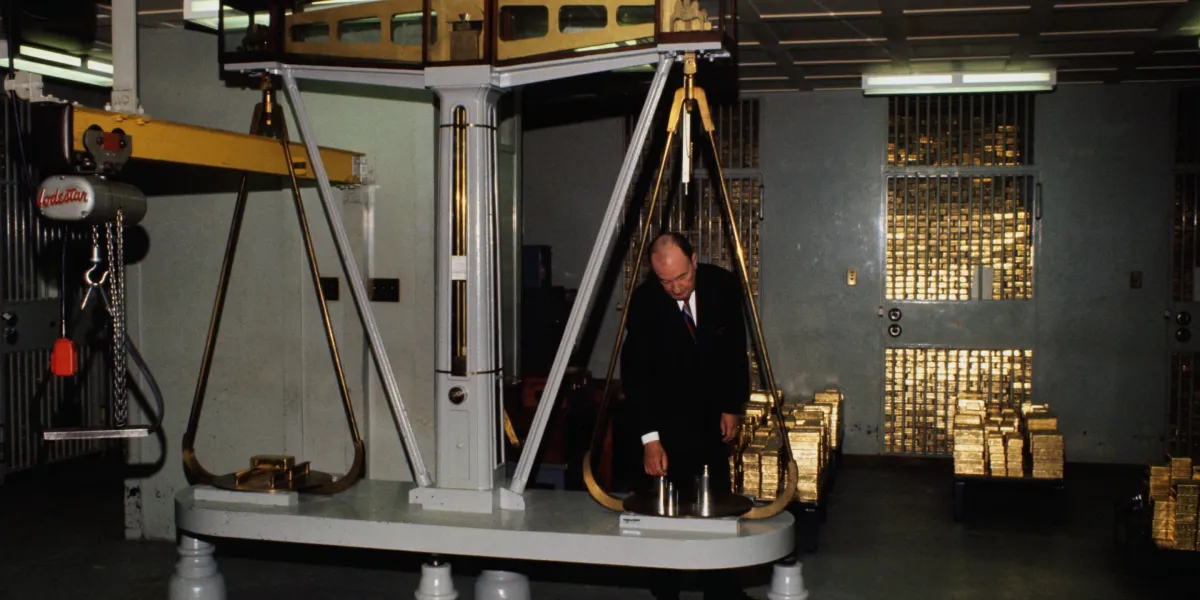
The United States holds the largest gold reserves in the world, amounting to an estimated 261 million troy ounces. Valued at approximately $1 trillion at current market rates, this vast reserve serves as a critical component of the nation’s financial stability and global economic position. Gold, often considered a safe haven asset, plays a pivotal role in times of economic uncertainty, and the U.S. reserves are emblematic of the country's commitment to maintaining financial security.
As the global economy navigates through unpredictable waters, the implications of these reserves extend beyond mere numbers. The U.S. gold reserves are not only a buffer against inflation and currency fluctuations, but they also influence the broader dynamics of international trade and finance. With the world increasingly turning to alternative assets in response to geopolitical tensions and economic instability, the strategic importance of these reserves cannot be overstated.
The Repricing Debate: Analyzing Potential Impacts
Recent discussions among financial analysts have raised the possibility of repricing the U.S. gold reserves. The concept suggests adjusting the value of gold held by the U.S. government to reflect current market conditions more accurately. While this may sound appealing on the surface, experts caution that such a move could have dire consequences for the U.S. economy and its standing in the global market.
One analyst noted that repricing the gold reserves "would backfire in a big way." This sentiment reflects concerns about potential destabilization of the financial system, as well as the undermining of investor confidence in U.S. monetary policy. The implications of such a move could ripple through various sectors, affecting everything from currency valuation to international trade agreements.
Market Reactions: The Gold Standard in Modern Finance
The gold standard, once the backbone of international finance, has long been abandoned in favor of fiat currencies. However, the allure of gold as a hedge against inflation and currency devaluation remains strong. In recent years, gold prices have experienced significant volatility, influenced by factors such as interest rates, geopolitical tensions, and economic recovery post-pandemic.
Should the U.S. consider repricing its gold reserves, analysts predict a surge in gold prices driven by speculative trading and market reactions. This could lead to a scenario where gold becomes not just a reserve asset but a speculative commodity, further distorting its role in the financial system. As central banks around the world monitor gold prices closely, any drastic shift in the U.S. strategy could prompt a reevaluation of gold's status in global reserves.
Implications for U.S. Monetary Policy
The U.S. gold reserves play a crucial role in shaping the country’s monetary policy. As the Federal Reserve seeks to manage inflation and stabilize the economy, the presence of substantial gold reserves can act as a stabilizing force. However, any decision to reprice these reserves could complicate the Fed's efforts, potentially leading to increased market volatility.
Moreover, the relationship between gold prices and interest rates is intricate. Historically, when interest rates rise, gold prices tend to decline, as investors seek higher yields in other assets. Conversely, in low-interest-rate environments, gold often flourishes as a safe haven. The potential for repricing could disrupt this balance, creating uncertainty in both gold and broader financial markets.
Global Reactions: The Ripple Effect of U.S. Gold Policy
The U.S. gold reserves are not just a domestic issue; they have significant implications for international markets. Countries around the world keep a close eye on U.S. monetary policy and its effects on gold prices. Any changes in the valuation of U.S. gold reserves could lead to a wave of reactions from other nations, particularly those with substantial gold holdings of their own.
For instance, countries like Russia and China have been actively increasing their gold reserves in recent years, viewing gold as a strategic asset in the face of U.S. dollar dominance. A repricing of U.S. gold reserves could prompt these nations to reassess their own gold strategies, potentially leading to a shift in global economic power dynamics.
Investor Sentiment: The Role of Gold in Portfolios
For individual investors, gold has long been viewed as a safe haven asset, a means of preserving wealth during economic downturns. As discussions around repricing gain traction, investor sentiment could shift dramatically. If investors perceive that the U.S. is taking steps to adjust the value of its gold reserves, it may trigger a rush to acquire gold, driving prices up even further.
Conversely, if the market interprets such moves as a sign of instability or lack of confidence in U.S. monetary policy, it could lead to a sell-off, exacerbating volatility in the gold market. The interplay between investor psychology and market fundamentals is a critical aspect of understanding how gold will perform in the coming months and years.
Conclusion: Navigating the Future of Gold Reserves
The U.S. gold reserves represent a formidable asset, with a market value of around $1 trillion. However, the conversation around repricing these reserves highlights the complexities of modern financial markets. While the potential benefits of such a move may seem attractive, the risks and ramifications could be far-reaching and detrimental to both the U.S. economy and the global financial system.
As the landscape of global finance continues to evolve, the role of gold will remain a focal point for policymakers, investors, and analysts alike. Navigating these waters will require careful consideration and a nuanced understanding of the interconnectedness of gold reserves, monetary policy, and market dynamics. The decisions made today will undoubtedly shape the financial future of the United States and its position in the global economy for years to come.
Source: Open original source