


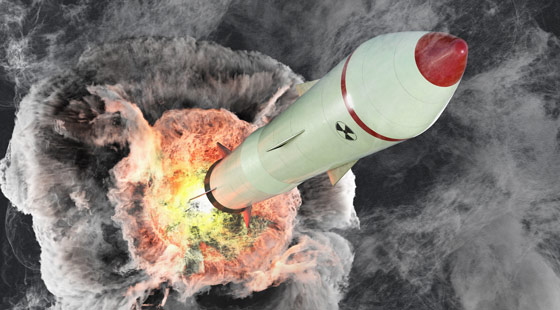
The Nuclear Arms Paradox: U.S. Spending vs. Global Policy
The United States has long positioned itself as a global leader in nuclear non-proliferation, advocating for disarmament while simultaneously maintaining one of the world’s most formidable nuclear arsenals. This contradiction raises critical questions about the integrity of U.S. foreign policy and its implications for international security. With defense budgets that dwarf those of other nations, the U.S. spends more on nuclear weapons than the next several countries combined, a fact that many critics argue undermines its moral authority in discussions with nations like Iran.
The Financial Commitment to Nuclear Arsenal
In the fiscal year 2022, the U.S. government allocated approximately $44 billion to nuclear weapons and modernization efforts. This figure represents a significant portion of the overall defense budget, which exceeds $700 billion. The funding is directed towards maintaining and upgrading the nuclear triad, which includes land-based intercontinental ballistic missiles (ICBMs), submarine-launched ballistic missiles (SLBMs), and strategic bombers. The ongoing commitment to nuclear capabilities raises questions about the priorities of U.S. defense spending and the implications for global arms control initiatives.
Global Context: The Nuclear Landscape
While the U.S. invests heavily in its nuclear forces, the global nuclear landscape is characterized by a diverse array of nuclear-armed states. Countries such as Russia, China, India, and Pakistan have also expanded their arsenals, contributing to a complex security environment. In contrast, nations like Iran are scrutinized for their nuclear ambitions, often facing severe economic sanctions and diplomatic isolation. This disparity in treatment raises concerns about the fairness and effectiveness of the non-proliferation regime, which was designed to prevent the spread of nuclear weapons.
The Iranian Nuclear Controversy
The U.S. stance on Iran's nuclear program has been a focal point of international relations, particularly since the 2015 Joint Comprehensive Plan of Action (JCPOA) was put in place. The agreement aimed to curb Iran's nuclear activities in exchange for sanctions relief. However, the U.S. withdrawal from the agreement in 2018, followed by the re-imposition of sanctions, has led to heightened tensions and accusations of hypocrisy. Critics argue that the U.S. demands that Iran abandon its nuclear aspirations while simultaneously investing heavily in its own nuclear capabilities is a double standard that undermines the credibility of its position.
Implications for International Relations
The perceived hypocrisy of the U.S. regarding nuclear weapons complicates its relationships with both allies and adversaries. Countries that are under U.S. protection often find themselves in a precarious position, balancing their own security needs with the U.S. nuclear umbrella. Meanwhile, adversarial nations may view the U.S. nuclear posture as a justification for pursuing their own nuclear capabilities, leading to an arms race that undermines global stability. The situation presents a challenging paradox for U.S. foreign policy: how to advocate for disarmament while maintaining a robust nuclear deterrent.
Criticism from Within: Voices for Change
Within the U.S., there is a growing chorus of voices advocating for a reevaluation of nuclear policy. Some analysts and policymakers argue for a shift towards more transparent and cooperative approaches to nuclear disarmament. They suggest that the U.S. could enhance its credibility on the global stage by reducing its own nuclear arsenal and engaging in multilateral disarmament talks. Such actions could pave the way for a more equitable global nuclear framework and potentially lead to improved relations with nations like Iran.
Economic Consequences of Nuclear Spending
The financial implications of the U.S. nuclear program extend beyond the defense budget. The resources allocated to nuclear weapons could be redirected towards pressing domestic issues such as healthcare, education, and infrastructure. Critics argue that the prioritization of nuclear modernization over social programs reflects a misalignment of national priorities and raises questions about the long-term sustainability of such spending. As the U.S. grapples with economic challenges, the debate over nuclear expenditures is likely to intensify.
The Role of Public Opinion
Public opinion plays a significant role in shaping U.S. nuclear policy. As awareness of the costs and risks associated with nuclear weapons grows, there is potential for increased demand for accountability and transparency in defense spending. Advocacy groups and civil society organizations are working to raise awareness about the implications of nuclear weapons and to promote disarmament initiatives. A shift in public sentiment could influence policymakers to reconsider the current trajectory of U.S. nuclear strategy.
Conclusion: A Call for Consistency
The United States finds itself at a crossroads in its nuclear policy. The ongoing investment in nuclear weapons juxtaposed with its calls for global disarmament presents a profound contradiction that could have lasting implications for international relations and global security. As the U.S. navigates its role as a nuclear power, the need for a consistent and principled approach to nuclear policy has never been more critical. Without a genuine commitment to reducing its nuclear arsenal and fostering international cooperation, the U.S. risks undermining its credibility and effectiveness in promoting a safer, more secure world.