


Shifting Dynamics in the Middle East
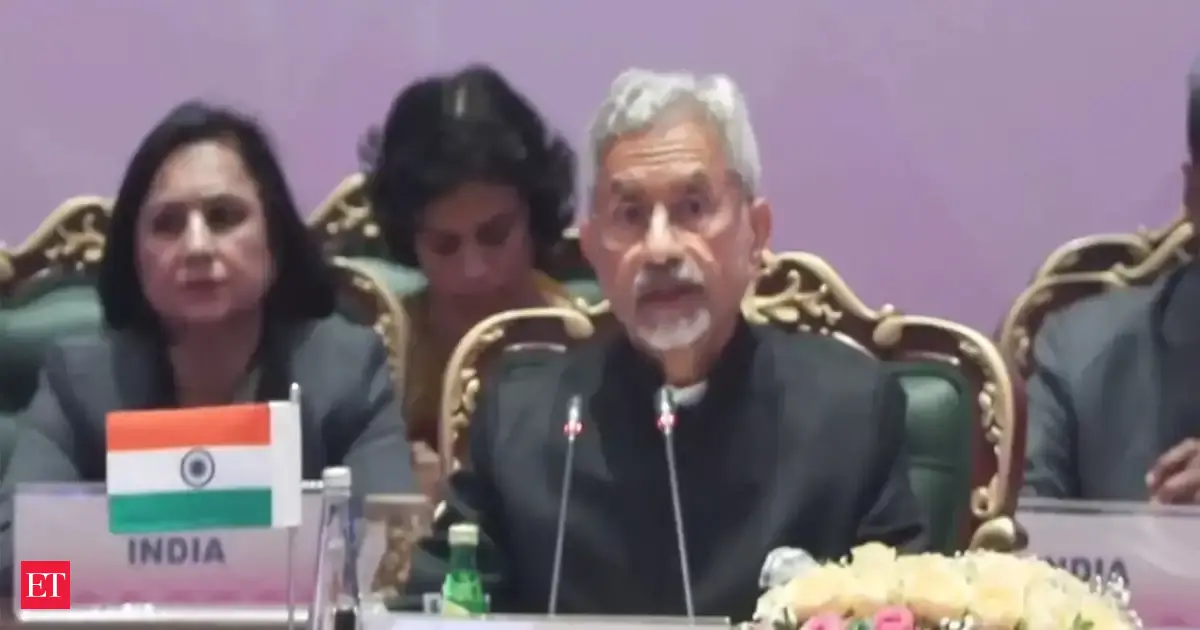
In a significant address at the 2nd India-Arab Foreign Ministers' Meeting, Indian External Affairs Minister S. Jaishankar highlighted the transformative changes occurring in the Middle East and their implications for India's relationships with Arab nations. The minister emphasized that the evolving geopolitical landscape in the region is not only reshaping local dynamics but is also reverberating across Asia, particularly impacting India's foreign policy and economic strategies.
Economic Opportunities Amidst Change
Jaishankar pointed out that the ongoing developments in the Middle East present a unique set of economic opportunities for India. As regional powers recalibrate their foreign policies and economic partnerships, Indian businesses could play a pivotal role in sectors such as energy, technology, and infrastructure. The minister noted that India’s growing economic presence in the Gulf region is crucial for fostering stronger bilateral ties, enhancing trade, and attracting investments that could benefit both sides.
Political Implications for Regional Stability
The political landscape of the Middle East has been characterized by volatility, but recent efforts toward diplomatic engagement and conflict resolution have created a window for enhanced collaboration. Jaishankar stressed that India’s approach to the region is rooted in mutual respect and understanding, which is essential for fostering stability. The minister's remarks underscored the importance of India positioning itself as a constructive partner in the region, capable of contributing to peace and security initiatives.
Cultural and Historical Ties as a Foundation
India's relationship with Arab nations is deeply rooted in historical and cultural ties. Jaishankar reiterated that these connections are vital in navigating the complexities of modern diplomacy. By leveraging shared history and cultural bonds, India aims to strengthen its diplomatic outreach and foster people-to-people connections that can enhance mutual understanding and cooperation.
Strategic Alliances and Multilateral Engagement
As the Middle East undergoes significant transformations, India is keen to engage in strategic alliances that align with its broader foreign policy objectives. The minister highlighted the importance of multilateral platforms such as the India-Arab Cooperation Forum as avenues for dialogue and collaboration. These platforms not only facilitate discussions on pressing regional issues but also promote economic partnerships that can yield tangible benefits for all involved.
Future Outlook for India-Arab Relations
The evolving dynamics in the Middle East present both challenges and opportunities for India. Jaishankar’s remarks suggest that India's proactive engagement with Arab nations will be crucial in shaping its future foreign policy. As regional developments unfold, India is poised to adapt its strategies to foster deeper cooperation, enhance trade ties, and contribute to regional stability. The commitment to strengthening these relationships reflects India's broader ambitions on the global stage and its recognition of the Middle East's critical role in shaping future economic and geopolitical landscapes.